Your Family’s Emergency Plan: A Guide for Middle Tennessee Homeowners & Businesses Keeping your loved ones safe is a top priority, especially when unexpected events occur. This guide is designed to help our Middle Tennessee neighbors – both homeowners and local businesses – create an effective family emergency plan. For comprehensive national guidance, visit Ready.gov. […]
Holiday lights can trigger house fires when an electrical failure, dry fuel, or improper installation lets heat build, ignite nearby materials, and spread flames. This guide breaks down why holiday lights sometimes cause house fires, explains how common electrical problems like overloaded circuits and damaged wiring lead to ignition, and gives practical prevention and recovery steps you can use right away.
Most tree fires start small. A spark, a hot bulb, or dry branches can ignite them. Then, flames quickly spread to decorations and furniture. The main causes are always the same: electrical issues, dry trees, and trees too close to heat. Fixing these areas is the best way to stay safe. Test and replace damaged lights. Keep real trees watered. Keep all trees away from heat and open flames. Here are the main causes and a quick explanation for each.
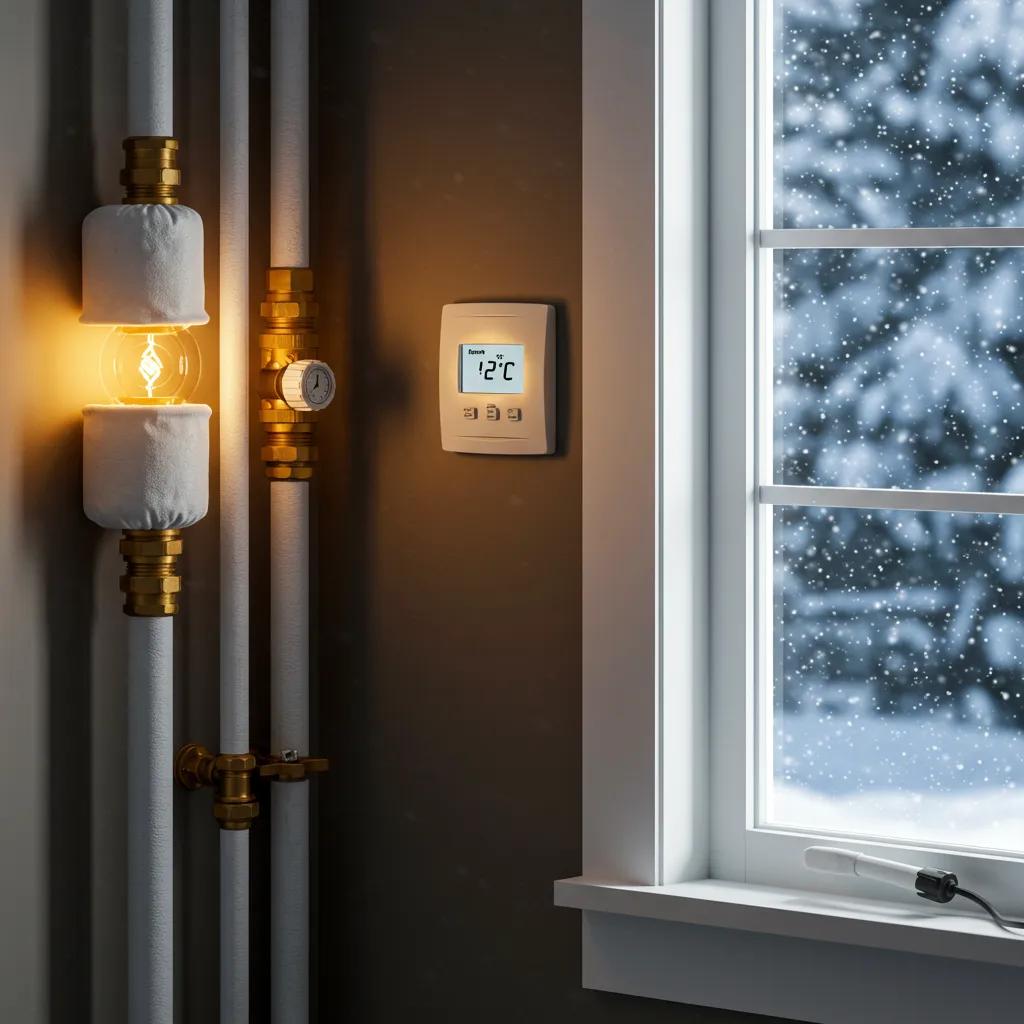
Pipes freeze when cold air reaches exposed plumbing, turning the water inside to ice. As the ice expands, it builds pressure that can cause pipes to burst. The main causes are poor insulation, air leaks, and long exposure to freezing temperatures in walls, attics, or crawl spaces. By insulating pipes, sealing drafts, and keeping your home warm, you can prevent this kind of damage before winter starts. Knowing what causes frozen pipes helps you focus on the most effective — and affordable — fixes.

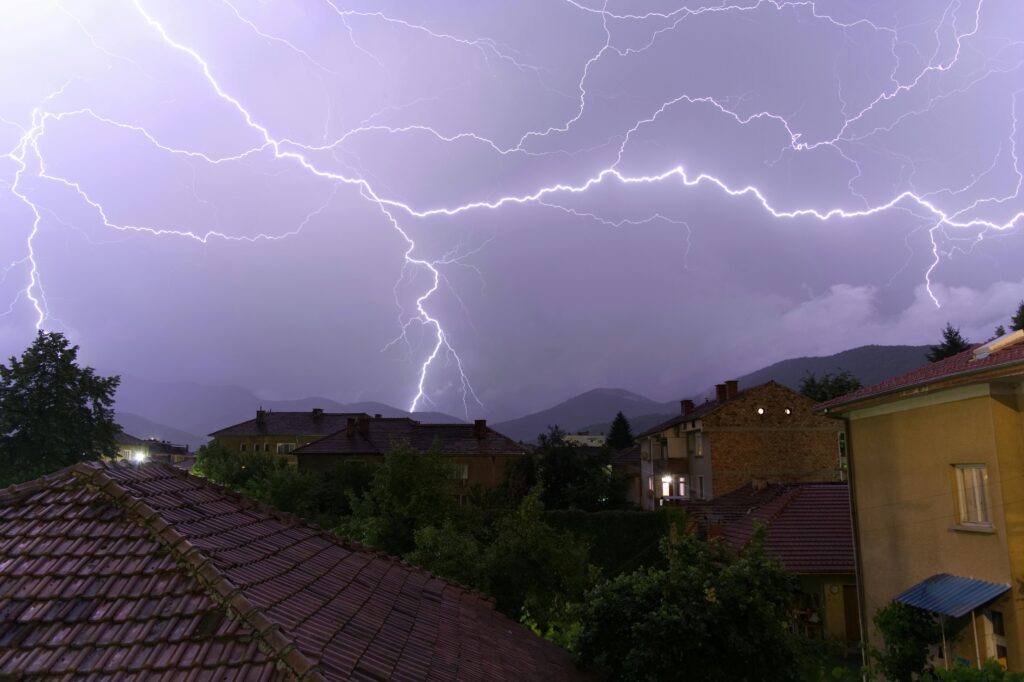
To keep yourself, your family, and your belongings safe, it’s important to know about weather alerts and natural disasters. Stay informed. From hurricanes and tornadoes to wildfires and flash floods, severe weather events can strike with little warning. Understanding how these alerts work—and how to respond to them—can make all the difference.
In this blog post, we will explain why weather alerts are important. We will also discuss the types of natural disasters to prepare for. Finally, we will share practical steps to help you stay safe. We’ll also explore how technology and apps can help you stay one step ahead.
Understanding Water Damage: Causes and Effects
Water damage can result from various sources, including natural disasters, plumbing failures, and appliance malfunctions. Understanding these causes is essential for homeowners and businesses to take preventive measures and respond effectively when incidents occur.
For instance, flooding from heavy rainfall can lead to significant property damage, while burst pipes can cause hidden issues that worsen over time. Being aware of these potential risks allows individuals to implement strategies to mitigate damage, such as regular inspections and maintenance of plumbing systems.
Emergency Preparedness for Natural Disasters
Being prepared for natural disasters is crucial for minimizing risks to life and property. This involves creating an emergency plan, assembling a disaster supply kit, and educating family members about safety procedures during severe weather events.
For example, a well-thought-out emergency plan should include escape routes, contact information for family members, and designated meeting points. Additionally, having a supply kit with essentials like water, non-perishable food, flashlights, and first aid supplies can make a significant difference during emergencies when access to resources may be limited.
Post-Disaster Recovery: Steps to Take
After experiencing a natural disaster, it's vital to understand the recovery process, which includes assessing damage, contacting professionals, and filing insurance claims. Taking these steps promptly can help restore your home and peace of mind more efficiently.
For instance, documenting all damage with photographs can support insurance claims, while hiring certified restoration professionals ensures that repairs are conducted safely and effectively. Additionally, understanding the timeline for recovery can help homeowners set realistic expectations and plan accordingly.
Importance of Professional Water Damage Restoration
Professional water damage restoration services play a critical role in mitigating the effects of water damage. These experts utilize specialized equipment and techniques to remove water, dry affected areas, and prevent mold growth, ensuring a thorough restoration process.
For example, a certified restoration company like 24 Hour Flood Fighters can assess the extent of damage, provide emergency services, and guide homeowners through the insurance claims process. Their expertise not only speeds up recovery but also helps safeguard against future issues related to water damage.
Understanding Water Damage: Causes and Effects
Water damage can result from various sources, including natural disasters, plumbing failures, and appliance malfunctions. Understanding these causes is essential for homeowners and businesses to take preventive measures and respond effectively when incidents occur.
For instance, flooding from heavy rainfall can lead to significant property damage, while burst pipes can cause hidden issues that worsen over time. Being aware of these potential risks allows individuals to implement strategies to mitigate damage, such as regular inspections and maintenance of plumbing systems.
Emergency Preparedness for Natural Disasters
Being prepared for natural disasters is crucial for minimizing risks to life and property. This involves creating an emergency plan, assembling a disaster supply kit, and educating family members about safety procedures during severe weather events.
For example, a well-thought-out emergency plan should include escape routes, contact information for family members, and designated meeting points. Additionally, having a supply kit with essentials like water, non-perishable food, flashlights, and first aid supplies can make a significant difference during emergencies when access to resources may be limited.
Post-Disaster Recovery: Steps to Take
After experiencing a natural disaster, it's vital to understand the recovery process, which includes assessing damage, contacting professionals, and filing insurance claims. Taking these steps promptly can help restore your home and peace of mind more efficiently.
For instance, documenting all damage with photographs can support insurance claims, while hiring certified restoration professionals ensures that repairs are conducted safely and effectively. Additionally, understanding the timeline for recovery can help homeowners set realistic expectations and plan accordingly.
Importance of Professional Water Damage Restoration
Professional water damage restoration services play a critical role in mitigating the effects of water damage. These experts utilize specialized equipment and techniques to remove water, dry affected areas, and prevent mold growth, ensuring a thorough restoration process.
For example, a certified restoration company like 24 Hour Flood Fighters can assess the extent of damage, provide emergency services, and guide homeowners through the insurance claims process. Their expertise not only speeds up recovery but also helps safeguard against future issues related to water damage.