How to Create a Family Emergency Plan

Your Family’s Emergency Plan: A Guide for Middle Tennessee Homeowners & Businesses Keeping your loved ones safe is a top priority, especially when unexpected events occur. This guide is designed to help our Middle Tennessee neighbors – both homeowners and local businesses – create an effective family emergency plan. For comprehensive national guidance, visit Ready.gov. […]
Why Holiday Lights Cause House Fires — and How To Stay Sage

Holiday lights can trigger house fires when an electrical failure, dry fuel, or improper installation lets heat build, ignite nearby materials, and spread flames. This guide breaks down why holiday lights sometimes cause house fires, explains how common electrical problems like overloaded circuits and damaged wiring lead to ignition, and gives practical prevention and recovery steps you can use right away.
Christmas Tree Fire Safety 2025: What Every Homeowner Should Know

Most tree fires start small. A spark, a hot bulb, or dry branches can ignite them. Then, flames quickly spread to decorations and furniture. The main causes are always the same: electrical issues, dry trees, and trees too close to heat. Fixing these areas is the best way to stay safe. Test and replace damaged lights. Keep real trees watered. Keep all trees away from heat and open flames. Here are the main causes and a quick explanation for each.
Preventing Frozen Pipes in Your Home
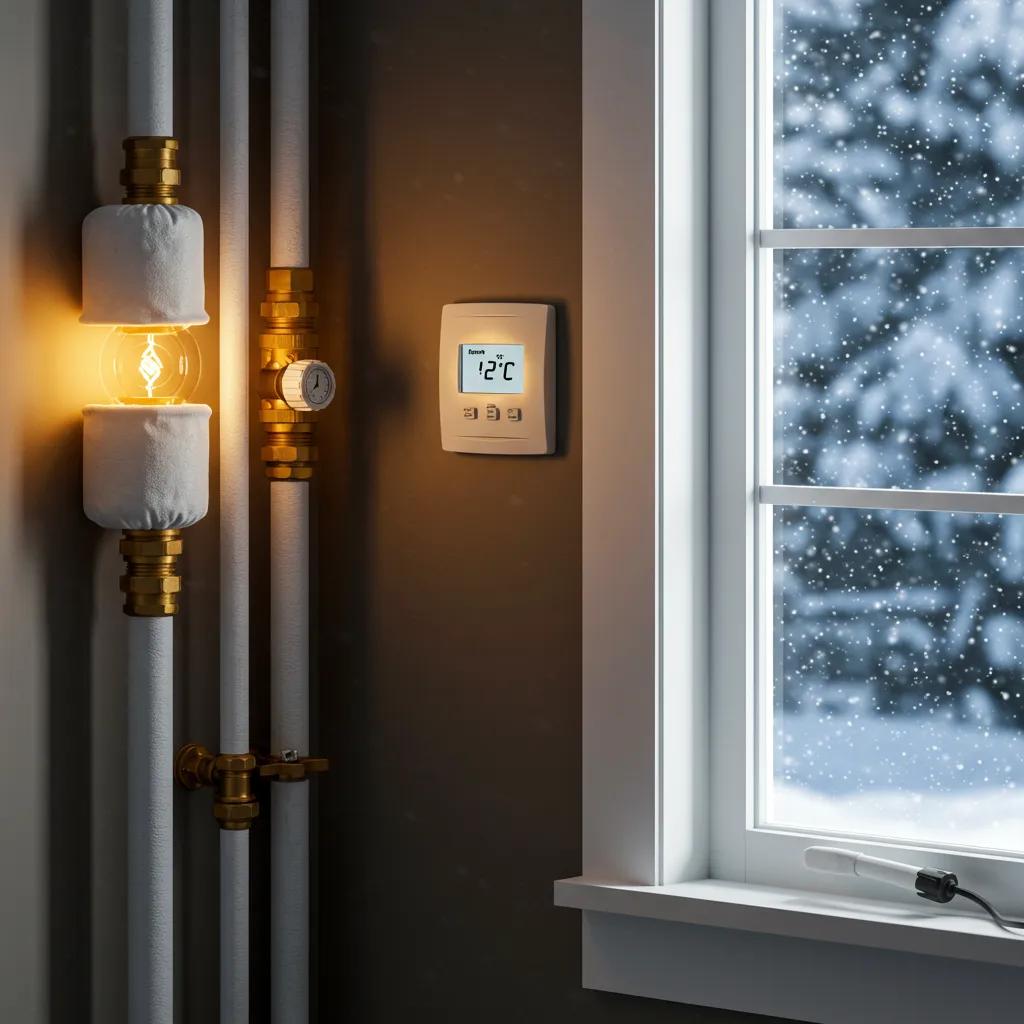
Pipes freeze when cold air reaches exposed plumbing, turning the water inside to ice. As the ice expands, it builds pressure that can cause pipes to burst. The main causes are poor insulation, air leaks, and long exposure to freezing temperatures in walls, attics, or crawl spaces. By insulating pipes, sealing drafts, and keeping your home warm, you can prevent this kind of damage before winter starts. Knowing what causes frozen pipes helps you focus on the most effective — and affordable — fixes.
Prepare for Severe Weather: Safety Tips and Disaster Preparedness
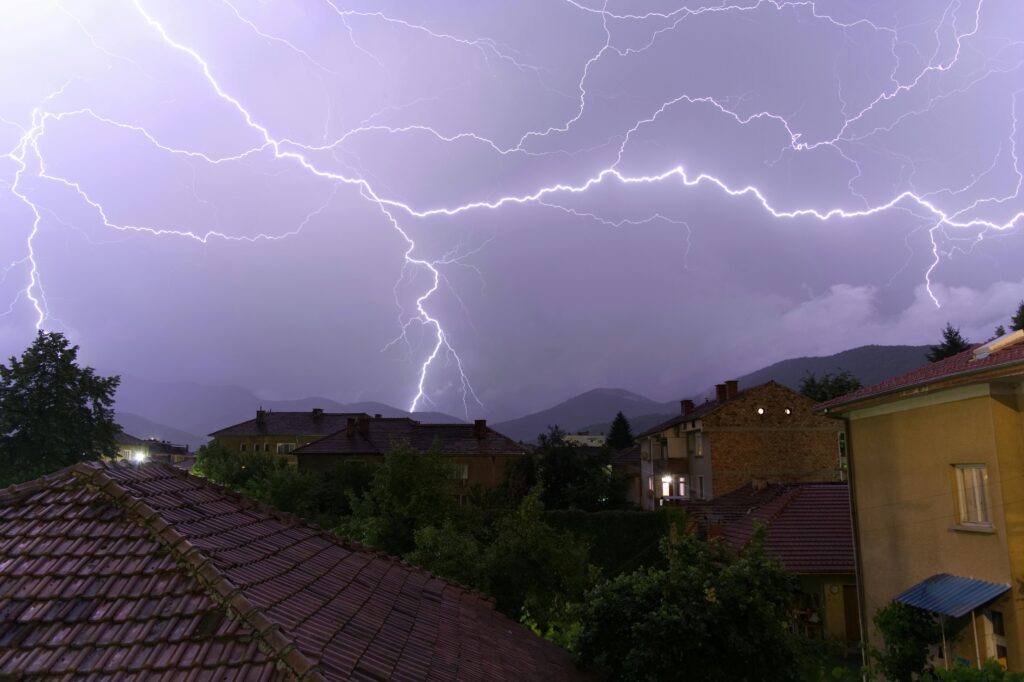
To keep yourself, your family, and your belongings safe, it’s important to know about weather alerts and natural disasters. Stay informed. From hurricanes and tornadoes to wildfires and flash floods, severe weather events can strike with little warning. Understanding how these alerts work—and how to respond to them—can make all the difference.
In this blog post, we will explain why weather alerts are important. We will also discuss the types of natural disasters to prepare for. Finally, we will share practical steps to help you stay safe. We’ll also explore how technology and apps can help you stay one step ahead.