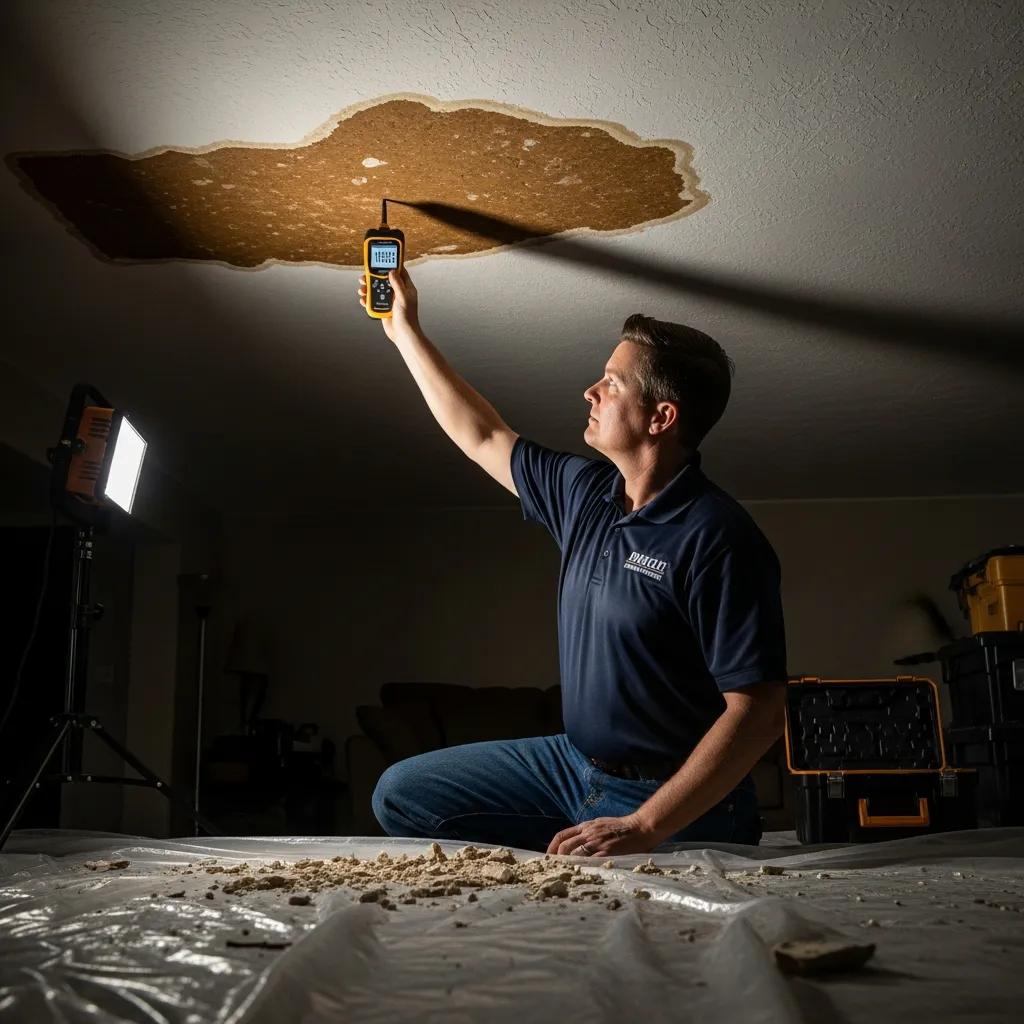
Dealing with Ceiling Water Damage in Nashville? We’re Here to Help Your Home & Business Shine Again! Nobody wants to see water stains on their ceiling. It’s not just an eyesore; it can quickly turn into a bigger headache, leading to expensive repairs and even health concerns if not addressed promptly. This guide is designed […]
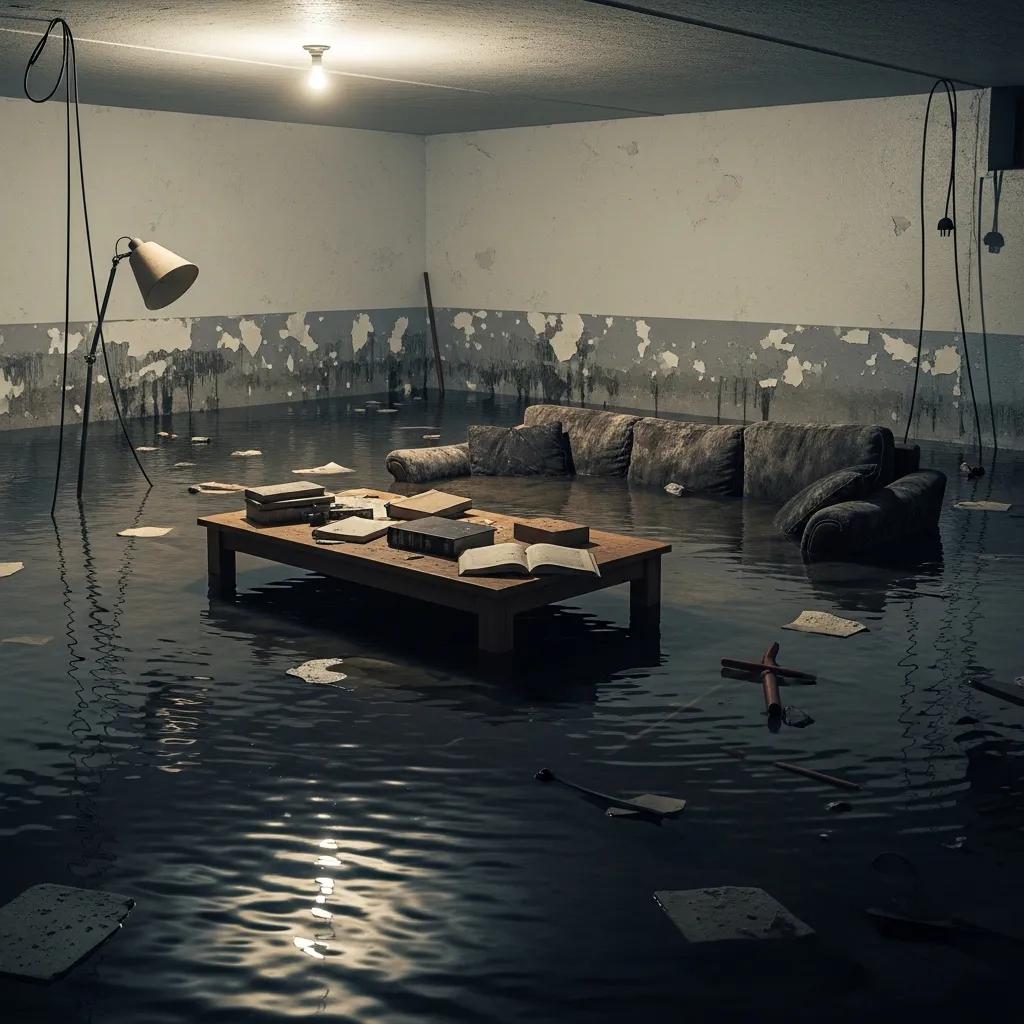
Protect your home from flooding with expert tips to safeguard your basement. Act quickly to minimize damage and ensure your space remains safe and secure.
When water invades your Franklin, TN home or business, quick action is essential. **24 Hour Flood Fighters** combines rapid emergency response, thorough structural drying, and effective mold remediation to protect your property from escalating damage and health risks. This guide will walk you through everything you need to know: from common local causes and the step-by-step restoration process to specialized repair services, the benefits of certified experts, prevention tips, and what to expect with costs and insurance.
Dealing with water damage or mold can be overwhelming. Our expert services in Murfreesboro and Nashville cover everything from emergency water removal and structural drying to mold inspection and full property restoration. This guide will walk you through how local water damage and mold remediation services work, why a fast, certified response is crucial, and what you should do right after an incident.

Water damage restoration is the structured sequence of emergency mitigation, water extraction, structural drying, cleaning, repair, and verification that returns a property to safe, habitable condition

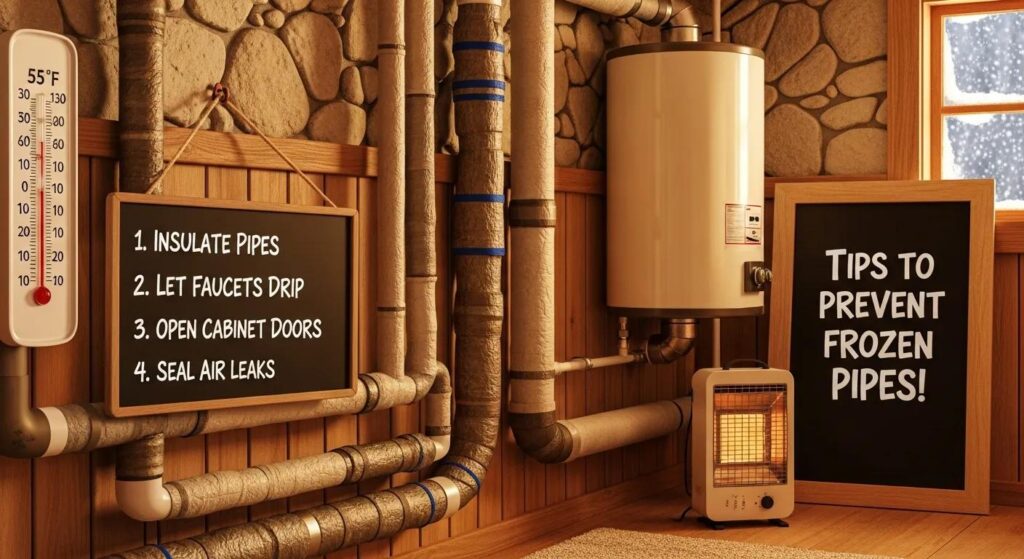
Frozen pipes are a leading cause of sudden, costly water damage in homes. When water freezes it expands, creating pressure that can split pipe walls and release large volumes of water
Comprehensive Guide to Water Damage Restoration
Water damage restoration is a critical process that involves the assessment and repair of water-related damages in residential and commercial properties. Understanding the intricacies of this process can empower property owners to make informed decisions when faced with water emergencies.
This guide covers essential aspects of water damage restoration, including causes, preventive measures, and the steps involved in a successful restoration. By familiarizing yourself with these elements, you can mitigate risks and enhance the longevity of your property.
Common Causes of Water Damage
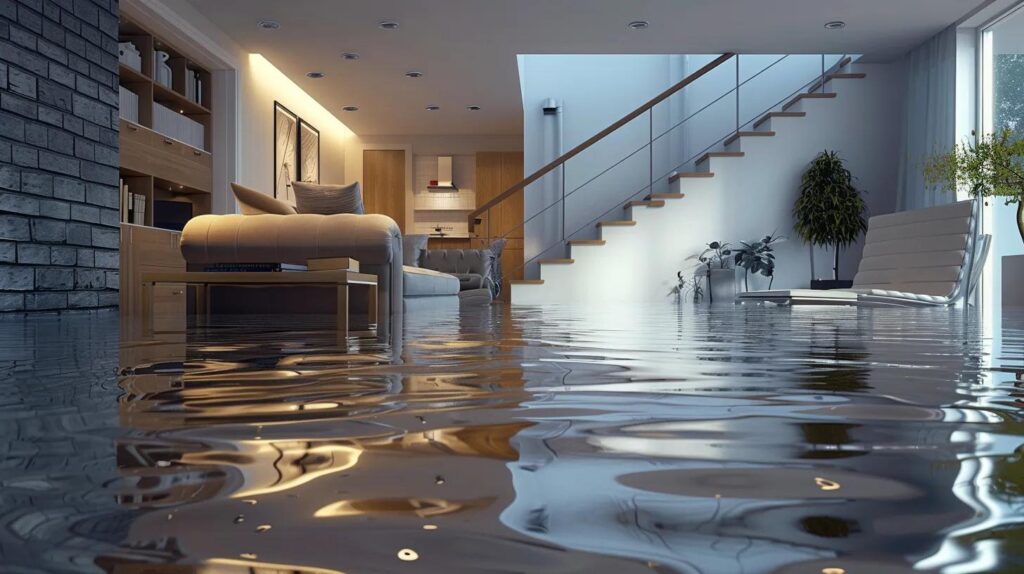
Water damage can occur due to various reasons, including natural disasters, plumbing failures, and appliance malfunctions. Identifying these causes is crucial for effective prevention and timely response.
Common sources include heavy rainfall leading to flooding, burst pipes, overflowing sinks, and malfunctioning HVAC systems. Understanding these causes helps homeowners take proactive measures to protect their properties from potential water damage.
Steps to Take Immediately After Water Damage
When water damage occurs, immediate action is vital to minimize the impact and prevent further complications. Knowing the right steps to take can significantly influence the restoration process.
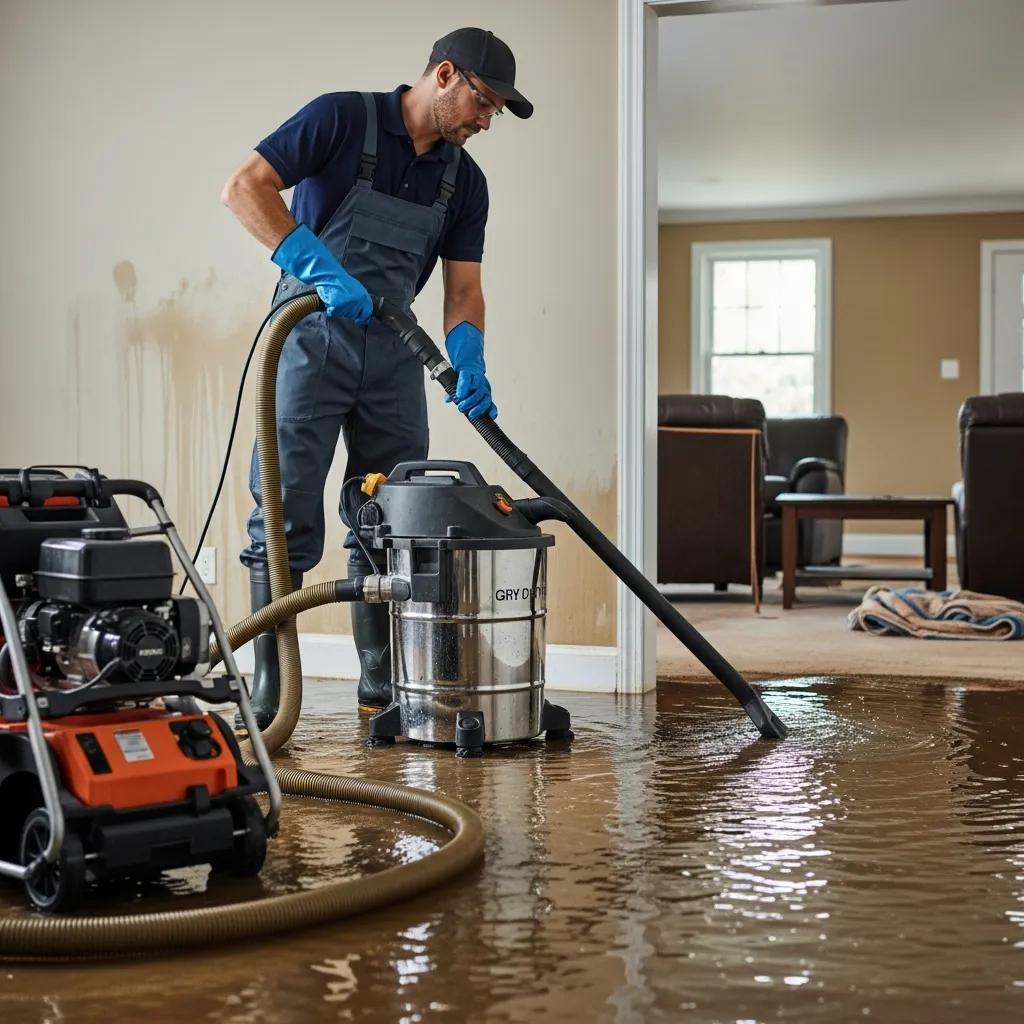
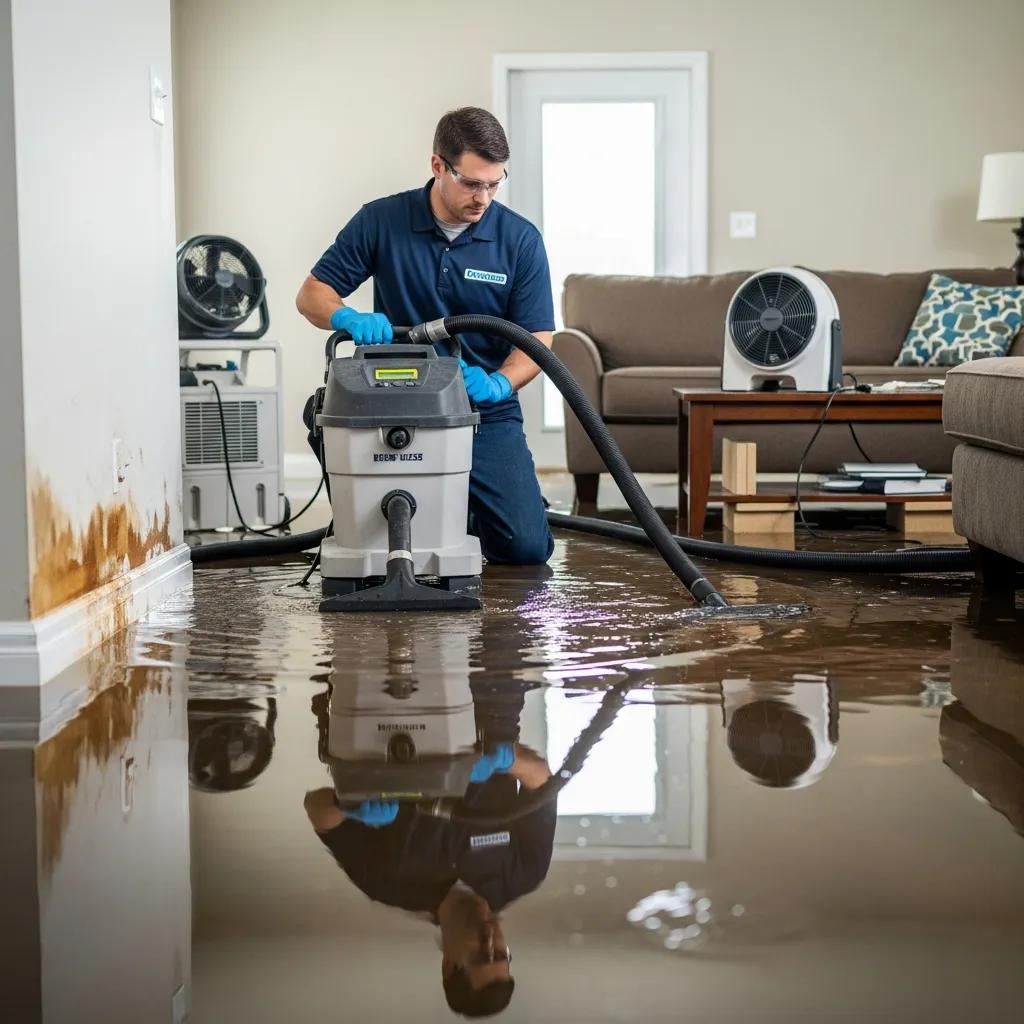
First, ensure safety by turning off electricity and gas supply if necessary. Next, remove excess water using mops, towels, or a wet/dry vacuum. Contacting a professional restoration service promptly can also expedite recovery and reduce long-term damage.
How to Prevent Water Damage in Your Home
Preventing water damage is essential for maintaining the integrity of your home. Implementing proactive measures can save you from costly repairs and extensive restoration efforts.
Regular maintenance, such as inspecting roofs, gutters, and plumbing systems, is crucial. Additionally, installing sump pumps and water alarms can provide early warnings and help mitigate potential water damage before it escalates.
Understanding the Water Damage Restoration Process
The water damage restoration process involves several key steps designed to restore your property to its pre-damage condition. Familiarizing yourself with this process can help you navigate a stressful situation more effectively.
The process typically includes assessment, water extraction, drying, cleaning, and restoration. Each step is crucial for ensuring that all moisture is removed and that the affected areas are thoroughly cleaned and restored to prevent mold growth and further damage.
Comprehensive Guide to Water Damage Restoration
Water damage restoration is a critical process that involves the assessment and repair of water-related damages in residential and commercial properties. Understanding the intricacies of this process can empower property owners to make informed decisions when faced with water emergencies.
This guide covers essential aspects of water damage restoration, including causes, preventive measures, and the steps involved in a successful restoration. By familiarizing yourself with these elements, you can mitigate risks and enhance the longevity of your property.
Common Causes of Water Damage
Water damage can occur due to various reasons, including natural disasters, plumbing failures, and appliance malfunctions. Identifying these causes is crucial for effective prevention and timely response.
Common sources include heavy rainfall leading to flooding, burst pipes, overflowing sinks, and malfunctioning HVAC systems. Understanding these causes helps homeowners take proactive measures to protect their properties from potential water damage.
Steps to Take Immediately After Water Damage
When water damage occurs, immediate action is vital to minimize the impact and prevent further complications. Knowing the right steps to take can significantly influence the restoration process.
First, ensure safety by turning off electricity and gas supply if necessary. Next, remove excess water using mops, towels, or a wet/dry vacuum. Contacting a professional restoration service promptly can also expedite recovery and reduce long-term damage.
How to Prevent Water Damage in Your Home
Preventing water damage is essential for maintaining the integrity of your home. Implementing proactive measures can save you from costly repairs and extensive restoration efforts.
Regular maintenance, such as inspecting roofs, gutters, and plumbing systems, is crucial. Additionally, installing sump pumps and water alarms can provide early warnings and help mitigate potential water damage before it escalates.
Understanding the Water Damage Restoration Process
The water damage restoration process involves several key steps designed to restore your property to its pre-damage condition. Familiarizing yourself with this process can help you navigate a stressful situation more effectively.
The process typically includes assessment, water extraction, drying, cleaning, and restoration. Each step is crucial for ensuring that all moisture is removed and that the affected areas are thoroughly cleaned and restored to prevent mold growth and further damage.