10 Important Questions to Ask Your Mold Removal Service Before You Hire — for Safe, Lasting Mold Removal
Professional mold removal finds, removes, and stops mold from returning, keeping homes and businesses safe. Asking the right questions before hiring a mold removal service helps avoid bad jobs, hidden costs, and mold coming back. This guide provides ten key questions about licenses, training (like IICRC S520), inspections, fixing water issues, safety, pricing, guarantees, and warning signs. You’ll learn why each question is important, what documents to ask for, and how to ensure safe, lasting results. The article uses clear sections (H2), sub-sections (H3), and checklists to help homeowners understand each step of the moldremoval process.
Are Your Mold Removal Specialists Licensed and Insured?
Hiring licensed, insured specialists gives you basic safety and ensures they are responsible. Licenses show a contractor is allowed to do mold removal or building work in your area. Insurance — usually general liability and workers’ compensation — covers accidental damage and injuries on the job, so you don’t have to pay for repairs or medical bills. Ask to see license numbers and current insurance certificates before work starts. Checking these papers early helps you tell good companies from bad ones and shows you expect a written price and agreement.
Once you confirm licensing and insurance, the next step is knowing which exact papers to ask for and how they protect you during the job.
What Types of Licenses and Insurance Should a Mold Removal Company Have?
Ask for proof of any state or local mold removal licenses, general builder registration, and current insurance papers showing what they cover and how much. General liability covers damage to your property during work; workers’ compensation covers injuries that happen on the job, so you don’t have to pay for medical bills or lost pay. Some areas need special permits for mold removal — ask which ones apply where you live and request the group that gave the license and the license number. If a contractor doesn’t want to show papers or can’t explain what their insurance covers, see that as a red flag and get another price.
How Does Licensing and Insurance Protect Homeowners During Mold Removal?
Licenses and insurance create clear responsibility and a way to get money back if work is careless or causes damage. For example, if the barriers meant to stop mold from spreading are put up wrong and mold spreads, liability insurance can help pay for repairs and more mold removal; the groups that give licenses can look into unsafe or dishonest work. Knowing these protections helps you compare companies based on real protections you can check, not just the price.
What Certifications and Training Do Your Mold Removal Workers Hold?
Certificates and training papers show workers follow agreed-upon rules and the best ways to do things. This lowers risks and gets better results. The IICRC S520 standard is a common guide for mold removal. It covers how to inspect, contain, remove, and check after the mold is gone. Ask what certificates workers have, when they were trained, and if they get regular refresher courses. Workers with up-to-date training are less likely to guess what to do — and more likely to do safe, good work.
Why Is IICRC Certification Important for Mold Removal Services?
IICRC S520 gives a clear, science-backed plan for checking how bad the mold is, planning how to stop it from spreading, picking removal methods, and making sure it’s all gone. When a contractor follows S520 rules, it shows they use proven steps and want clear results, like confirmed testing that the mold is gone. That means less chance of missing moldy spots or tearing things out the wrong way, which could let mold come back. Asking about S520 helps you tell if a company follows known mold removal steps or just makes things up as they go.
How Ongoing Training Ensures Safe and Effective Mold Removal
Ongoing training keeps workers up-to-date on testing tools, how to properly use HEPA air filters and negative air machines, and safe chemical handling — all important for the safety of everyone in the home and the workers. Regular checks and practice lower mistakes and help them make better choices on tricky jobs, like attic contamination or HVAC-related issues. A contractor that shows proof of ongoing training means they care about safety, doing things the same good way every time, and always getting better.
Can You Provide References or Case Studies from Previous Mold Removal Jobs?
References and case studies let you check a company’s past work on jobs like yours. Ask for recent projects, before-and-after photos, testing results, and references you can call who can talk about how fast they worked, how well they communicated, and if problems came back. Have references describe how well they stopped the mold from spreading, how thoroughly they cleaned, and the testing done after removal — that gives you real proof, not just what they say in ads. Reviewing these papers shows whether a contractor keeps records of results with photos and test reports, which is important for what you can expect for your job.
What to Look for in Mold Removal Service References and Testimonials
Focus on recent projects that are similar to your home’s size, how it’s built, or its water problems. Ask whether the final results included testing by an outside company after the mold was removed, whether where the water came from was fixed, and if they needed to do any follow-up or guarantee work. Look for if what the contractor promised matches what the references experienced — clear communication, sticking to the written plan, and professional cleanup are good signs. If references mention unclear plans or problems that weren’t fixed, keep looking.
How Case Studies Show Successful Mold Removal Results
A useful case study shows the first check-up, tools used (like moisture meters and heat cameras), removal steps, how they dealt with the trash, and any data that proves the mold was gone after removal. Examples without names that include photos and testing results show they are open and skilled. Choose companies who can show results you can measure — for example, air sample results from before and after — rather than just stories. These documents help you know what to expect for how long it will take, how much it will disrupt your home, and how well they put things back. mold remediation
What Is Your Detailed Mold Removal Process from Inspection to Testing After Removal?
A professional mold removal process follows clear steps: a full check and water assessment, a clear plan with barriers, removal and cleanup, safe disposal, and testing after removal to confirm it worked. Clear steps and what you get reduce misunderstandings and help you compare offers by what they include, not just the price. Knowing each phase also tells you when it’s good to have an outside company do testing to avoid any bias and helps you plan for disruption.
How Do You Conduct Mold Inspection, Containment, and Removal?
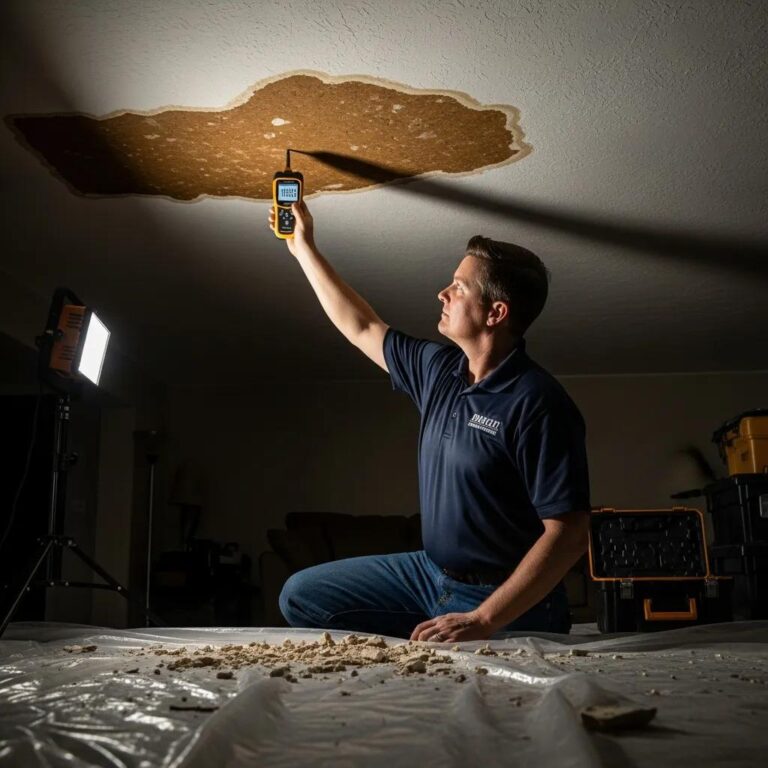
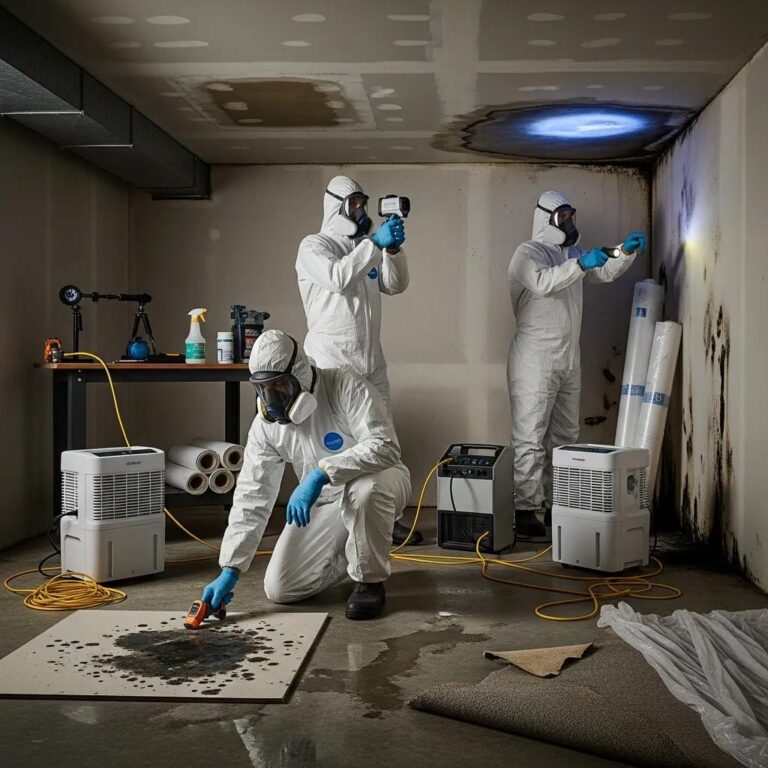
Inspection combines visual checks with special tools — moisture meters, heat cameras, and taking samples from specific spots when needed — to find mold you can see and mold that’s hidden. Containment uses physical walls, negative air machines, and HEPA air filters to protect clean areas. Removal can be anything from cleaning surfaces and HEPA vacuuming to carefully tearing out of materials that can’t be saved. Stopping work for independent testing when it’s not clear how bad the mold is, is a sign of responsible mold remediation that protects homeowners from jobs that aren’t finished properly.
Introductory table: process steps, short descriptions, and expected duration/outcome.
| Step | What It Is | How Long / What Happens |
|---|---|---|
| Check & Test | Look around, use moisture meters/heat cameras, and take samples | 1–2 days; plan documented |
| Seal Off & Manage Air | Put up walls, use negative air, HEPA filters to stop spread | Hours–1 day; minimizes cross-contamination |
| Take Out & Clean Up | Remove moldy stuff, use HEPA vacuum, clean surfaces | Days; visible mold removed |
| Throw Away & Keep Records | Bag and throw away trash, keep photos/test records | Same day as removal; audit trail |
| Testing After Removal | Air/surface samples or final tests to confirm mold is gone | 1–3 days after cleanup; pass/fail criteria |
Why Is Testing After Removal Essential to Confirm Mold Removal Success?
Testing after removal gives clear proof that mold levels are back to normal and that the barriers worked during the job. Testing options include air samples and surface swabs to confirm it’s clear; having an independent company do the testing is best for fair results. A passing report should show what’s considered a ‘pass’ and record where and how samples were taken. Insisting on testing after removal follows the best way to do things and helps make sure the problem was fixed — not just hidden.
How Do You Find and Fix Where the Water Comes From to Stop Mold From Coming Back?
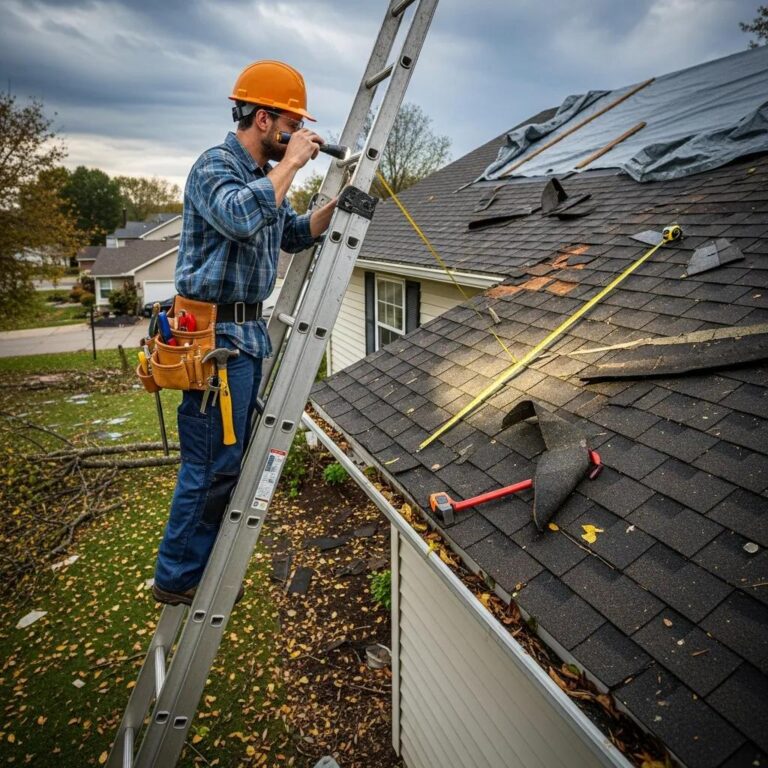
Fixing where the water comes from is the only sure way to prevent mold from returning. Good water checks use moisture meters, heat cameras, and heating/cooling system checks, along with close looks at roofs, pipes, and ground slopes. Mold removal plans should separate quick fixes (like drying, dehumidifiers) from long-term fixes (like roof or pipe repairs, better air flow) and suggest the right experts when bigger building work is needed. A mold removal team that works with roofers, plumbers, or heating/cooling experts shows a full approach that fixes the root problem, not just the signs of it.
What Ways to Check for Water Are Used During Mold Removal?
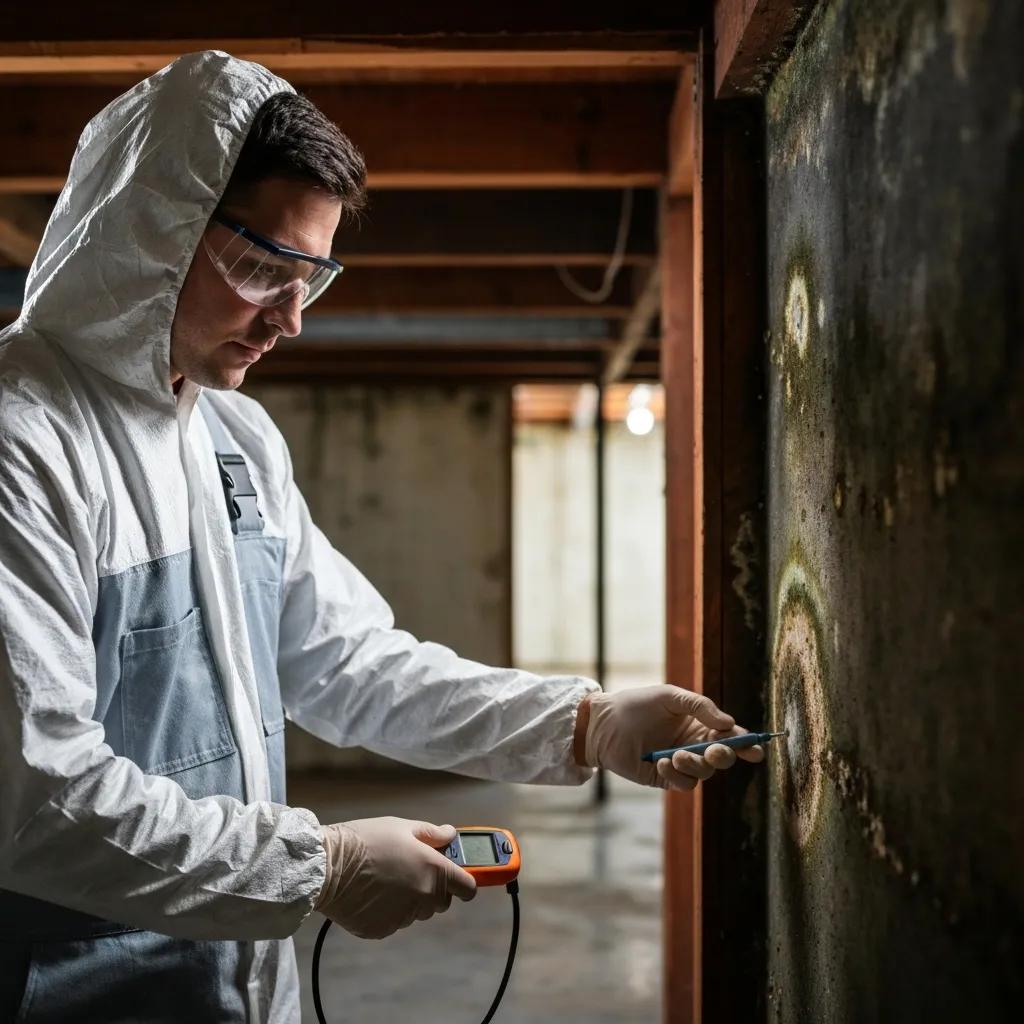
Workers use moisture meters to check how wet materials are, heat cameras to find hidden wet areas, and take samples from specific spots to find active mold growth. These tools help with looking around and show problems behind walls, under floors, or in attics. Results help decide how big the job is, what barriers are needed, and if major repairs are required. Including the checks they do in the written price helps you understand why they suggest certain tearing out or repairs.
What Solutions Do You Recommend to Stop Mold from Returning?
Short-term solutions include quick drying with dehumidifiers and negative-air machines, and removing single wet materials. Long-term fixes focus on repairing leaks, improving roof and gutter systems, improving air flow, and fixing heating/cooling system water problems. Focus on lasting building repairs when where the water comes from is clear, and think about checking for water regularly in high-risk areas like basements. When bigger building work is needed, bring in skilled roofers, plumbers, or heating/cooling contractors to put in long-lasting fixes. These actions lower the chance of mold coming back and make guarantees more useful.
What Are the Estimated Costs, Warranties, and Project Timelines for Mold Removal?
Clear cost estimates, simple guarantee terms, and realistic timelines let you compare prices and avoid surprises. Prices depend on how big the job is, how easy it is to reach, what testing is needed, how much containment is used, and whether major repairs are required. Written estimates should list each cost like inspection, testing, setting up barriers, labor, materials, disposal, and testing after removal. Guarantees may cover the quality of work or limited mold coming back if where the water comes from is fixed — read what’s not covered carefully. Small jobs can take a day or two; larger projects with tearing things out and repairs can take weeks. Ask about how much your home will be disturbed and what you need to do so you can plan.
How Is the Mold Removal Cost Estimated and What Does It Include?
Estimates should list out the costs for inspection and testing, labor hours, barrier materials, mold removal chemicals and materials, disposal, and testing after removal so you can compare offers fairly. The written plan should say whether rebuilding or major repairs are included or priced separately and whether outside testing is part of the price. Clear bills stop extra costs from popping up and help you make sure a cheap offer didn’t miss important services. Ask for each cost and clear payment steps to protect both sides.
Introductory cost comparison table: service type, normal cost range, and what’s included.
| Type of Service | Normal Cost | What’s Included |
|---|---|---|
| Check & Test | $300–$800 | Visual inspection, targeted sampling, moisture mapping |
| Small Mold Removal | $500–$3,000 | Barriers, cleaning, throwing away, follow-up tests |
| Big Mold Removal (with repairs) | $3,000–$15,000+ | Tearing out, barriers, helping with rebuilding, testing |
What Guarantees Do You Offer for Mold Removal Work?
Guarantees are different for each company. Common options include guarantees on the quality of work for a certain time, and limited guarantees that mold won’t come back if the water source was fixed. Ask what starts the guarantee, what’s not covered (for example, new water leaks), and whether guarantee repairs need proof that you’re still controlling moisture. Some companies include follow-up checks as part of their guarantee — that can be helpful for peace of mind for a long time. Read the guarantee details so you know who’s responsible if mold returns.
How Long Will the Mold Removal Take and What Impact Will It Have on My Home?
How long it takes depends on how widespread the mold is. Cleaning a small spot on the surface might finish in a day or two; medium mold removal with barriers and small tearing out can take several days; big building work may take weeks. Expect noise, ways to control dust, and possible heating/cooling system shutdowns — some homeowners move out for a short time for jobs with strong barriers or if people in the home are sensitive to dust and smells. Good contractors will give preparation instructions so you know when to move belongings, protect valuables, and which areas will be off-limits. Clear communication about the timeline reduces stress and helps you arrange for other workers.
After comparing costs, guarantees, and timelines, homeowners ready for a detailed estimate or inspection can take the next step. 24 Hour Flood Fighters offers quick help for homeowners checking costs and schedules; asking for a detailed estimate or scheduling an inspection turns general expectations into a local, written plan. That quick, active step helps you compare written offers and make a smart choice.
What Safety Rules and Equipment Do You Use to Protect People in Your Home and Workers?
Safety rules and the right equipment protect people in your home, workers, and your home from harmful contact and spreading mold during removal. Normal steps include the right safety gear (PPE), ways to seal off areas, air control with HEPA filters and negative air machines, and careful trash handling. Contractors should explain how they will protect people in your home — like turning off the heating/cooling system or asking you to move out for a short time — before work begins. Knowing what safety gear and air control equipment will be used reassures you that risks of exposure are being handled.
Which Personal Protective Equipment and Containment Measures Are Standard?
Standard safety gear includes respirators, gloves, throwaway coveralls, and eye protection, with more protection for jobs with more risk. Sealing off areas can mean anything from plastic sheets and zipper doors to sealed heating/cooling vents and special negative-air machines that keep air flowing from clean areas to moldy areas. When materials are removed, HEPA vacuums and wet-cleaning methods reduce dust in the air before disposal. Ask for an equipment list and when extra safety gear is used — it shows how serious the contractor is about safety.
Introductory safety equipment table: PPE/equipment, purpose, and when used.
| Safety Gear / Equipment | What It’s For | When It’s Used |
|---|---|---|
| N95 / P100 Masks | Protect breathing from mold spores and tiny bits | Standard for most removal tasks |
| HEPA Air Cleaners | Filter mold spores and tiny bits from the air | During sealing off and cleanup |
| Negative Air Machines | Create lower air pressure to stop mold from spreading | For any sealed-off area |
| Throwaway Suits & Gloves | Stop mold from spreading and protect skin | During removal and handling of trash |
How Do You Minimize Health Risks During Mold Removal?
Minimizing health risks means using smart work methods: seal off work areas, plan risky tasks for when people in the home can be elsewhere, use HEPA air filters, and use wet cleaning or HEPA vacuums to reduce tiny bits in the air. Contractors should provide an air control plan and give advice for people who are more at risk — babies, older people, or those with breathing problems. Clear advice on when it’s safe to come back and testing to confirm it helps ensure everyone returns to a safe environment.
What Are the Red Flags to Watch for When Hiring a Mold Removal Service?
Spotting warning signs helps you avoid companies that aren’t skilled enough or are dishonest, who might make the problem worse. Top warning signs include refusing to give a written price or plan, no real certificates or insurance you can check, pushy sales methods, promising to get rid of all mold without testing, and asking for cash-only payments. Asking direct questions to check things and looking at their papers shows risky behavior and protects you from unfinished or unsafe mold removal.
How to Spot Unreliable Mold Removal Companies
Watch for no written contract, unclear plans, or refusing to do testing after removal — these often mean bad quality work. Be careful of pressure to decide right away, big discounts if you agree on the same day, or demands for cash payments. Ask about past projects, ask for papers, and compare offers; answers that don’t match up or avoid the question often show bigger problems. Spotting these behaviors early reduces the chance of hiring a contractor who will do a cheap or quick job.

Why Written Estimates and Certifications Are Critical Before Hiring
Written estimates and certificates you can check give you an official record of the work to be done and let you make contractors responsible for the plan, timing, and results. Papers make it clear whether testing, barriers, disposal, and repairs are included and are very important for guarantee claims or insurance steps. Proof of certificates shows workers understand the rules they need to follow. When in doubt, choose a company that supplies clear papers and outside testing — it reduces future arguments and makes mold removal more trustworthy.
If you spot warning signs and want a checking step, 24 Hour Flood Fighters offers contractor checks and a free talk to help homeowners confirm their papers and job plans. Asking for a free talk or check can turn careful checking into a confident hire by confirming certificates, clear plans, and testing steps before work starts.
Frequently Asked Questions
What should I do if I suspect mold in my home?
If you suspect mold, start by finding and stopping the water source — mold needs damp conditions to grow. Look for visible signs like discoloration, musty smells, or recent water damage. For anything more than a tiny, single spot, call a professional mold removal service. They can check the problem, test if needed, and suggest a safe plan for removal and prevention.
How can I prevent mold from returning after removal?
Stop mold from coming back by fixing the main water problem: repair leaks, improve air flow, and use dehumidifiers in damp areas. Check your home regularly for water damage and keep indoor humidity in check. In wet spaces, think about using materials that resist mold. These steps greatly reduce the chance of mold coming back.
What are the health risks associated with mold exposure?
Being around mold can cause coughing, sneezing, stuffy nose, itchy eyes or skin, and can make asthma or breathing problems worse — especially for sensitive people. If you or a family member experience symptoms you think are mold-related, get the environment checked and talk to a doctor.
How do I choose the right mold removal service?
Research contractors thoroughly: choose licensed and insured professionals with mold removal experience. Ask for references and case studies, confirm they follow industry rules like IICRC S520, and check their plans for inspection, sealing off areas, and testing after removal. A reputable contractor will provide a clear, written estimate and answer your questions openly.
What should I expect during the mold removal process?
Expect a first check, sealing off areas to stop spread, removal and cleanup of moldy materials, safe disposal, and testing after removal. A good contractor will communicate clearly about timeline, disruption, and re-entry criteria so you know what to expect at each step.
Are there any DIY methods for mold removal?
Small, surface mold on hard, smooth materials can sometimes be cleaned with household products, but big mold problems or mold in soft, absorbent materials usually need professionals. DIY work can miss hidden water sources or spread spores, creating bigger problems. If you try DIY, wear proper safety gear and follow safety advice.
What are the costs associated with mold removal?
Costs change based on how much mold there is, how big the affected area is, and what services are needed. Typical ranges run from about $500 to $15,000 depending on how complex the job is. Get detailed written estimates from multiple contractors to compare what’s included and avoid surprises.
Conclusion
Hiring a qualified mold removal service protects your home and family from the health risks and damage to your home that mold can cause. Ask the right questions, check their papers, and insist on clear, written estimates to choose a contractor who follows industry rules and keeps records of results. Taking these steps helps you avoid repeat problems and makes sure you have a healthier home. When you’re ready, reach out to trusted professionals to start the inspection and get a custom plan for your home.