Christmas Tree Fire Safety — 2025: Practical Prevention and After-Fire Steps for Homeowners
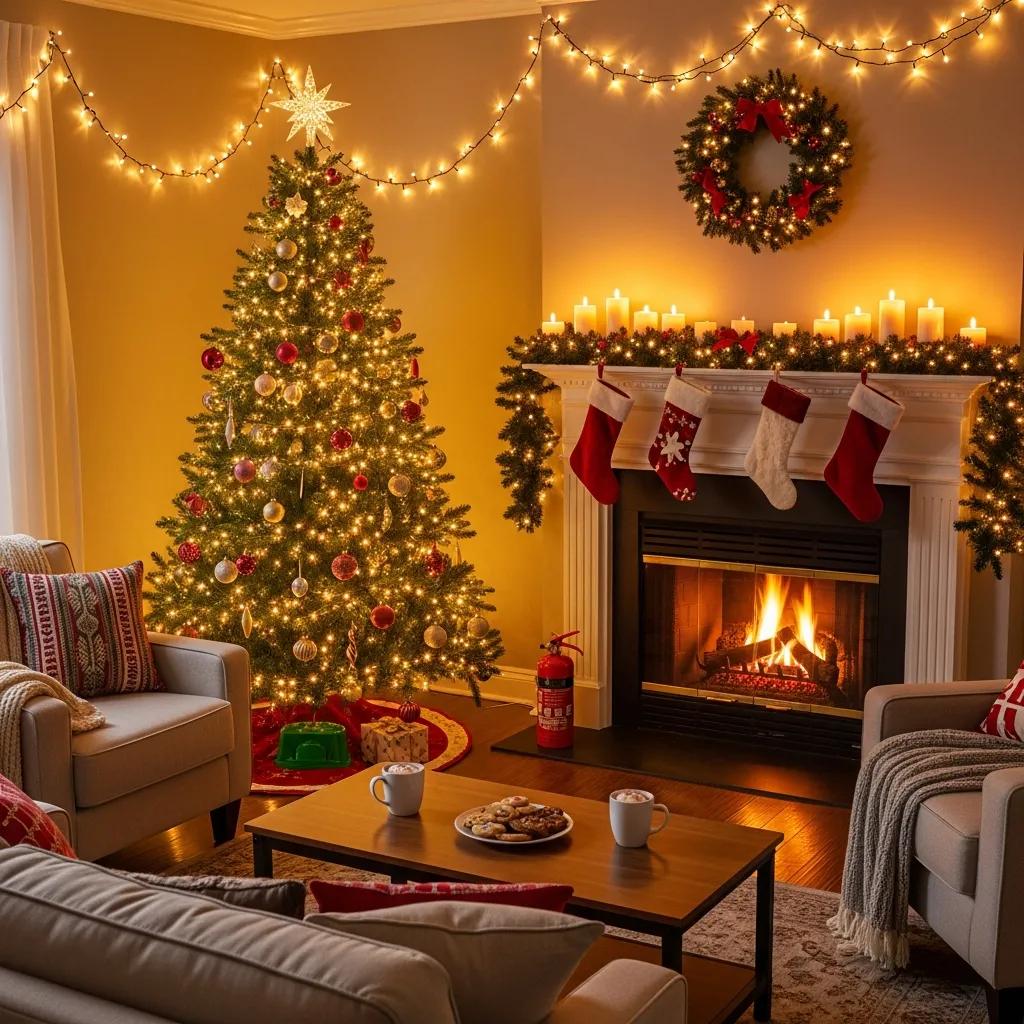
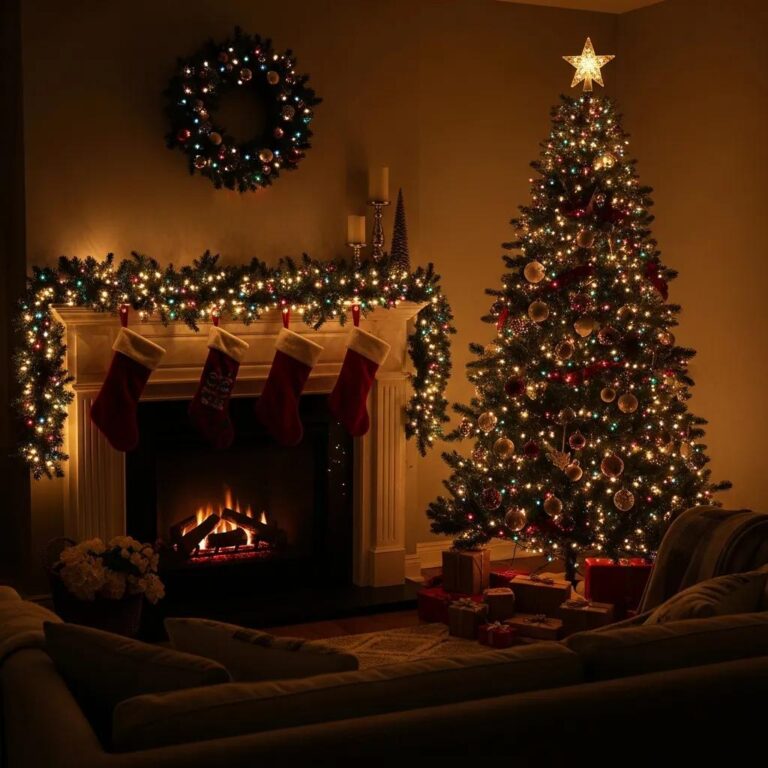
A Christmas tree fire can quickly turn a festive room into a serious emergency. It threatens people, pets, and your home. Year after year, the main causes are the same: faulty lights, dry needles, and trees too close to heat. This guide shows you how tree fires start. It offers simple steps to lower your risk with any tree. You’ll learn about safe lighting, placement, and what to do if a fire happens. We also give clear advice on documenting damage for insurance. Plus, we tell you when to call professional and mold remediation teams in Middle Tennessee. Each section has checklists and steps. These help you protect your home and recover faster if a fire occurs.
Experts say good fire safety means two things: prevention and quick, effective cleanup.
Building Fire Mitigation: Prevention, Spread Control, and Suppression
The effects of fire on buildings and facilities can be reduced by preventing ignition, limiting fire growth, or controlling exposure to the environment. Practical measures include controlling sources of ignition, containing spread, extinguishing fires quickly, and managing runoff from firefighting.
Top Causes of Christmas Tree Fires in 2025
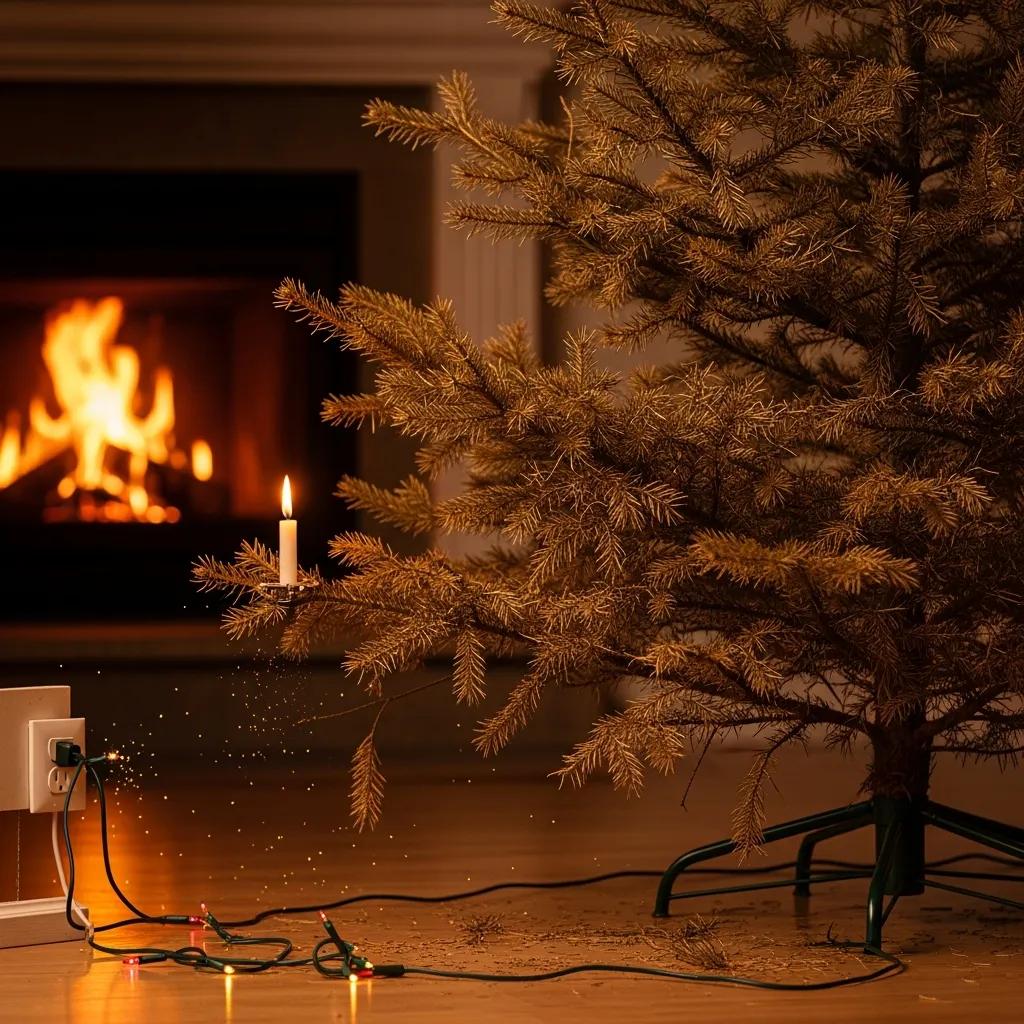
Most tree fires start small. A spark, a hot bulb, or dry branches can ignite them. Then, flames quickly spread to decorations and furniture. The main causes are always the same: electrical issues, dry trees, and trees too close to heat. Fixing these areas is the best way to stay safe. Test and replace damaged lights. Keep real trees watered. Keep all trees away from heat and open flames. Here are the main causes and a quick explanation for each.
- Electrical faults and holiday lights: Damaged cords, loose connections, or overloaded outlets can spark and ignite branches.
- Dry trees and needle desiccation: Low moisture makes needles ignite faster and lets flames spread more rapidly.
- Heat sources (fireplaces, space heaters, candles): Heat or sparks from nearby sources can trigger ignition when a tree is too close.
- Combustible decorations and poor placement: Paper, fabric, and clutter near the tree add fuel and can block escape routes.
Check these things before you decorate. Do it throughout the season too. This keeps your home safer.
How Dry Trees and Electrical Problems Raise Fire Risk
How easily a tree burns depends on its moisture. Dry needles catch fire much faster than wet ones. They also spread flames quickly. Frayed wires, cracked sockets, or warm plugs are electrical failures. They create heat or sparks. This is very dangerous near dry foliage and flammable ornaments. Before decorating, check needle flexibility. Look for sap at the trunk; these show freshness. Inspect every string of lights for damage. Replace damaged lights right away. Don’t daisy-chain extension cords. Fix any electrical issues immediately. This stops a small fault from becoming a house fire.
How Heat Sources and Decorations Add to the Hazard
Fireplaces, space heaters, and candles are risky. They can ignite a tree if too close. Flammable decorations like paper ornaments or dry garlands make fires grow faster. Here’s a simple rule: Keep your tree at least three feet from any heat source. Avoid open flames nearby. Choose flame-resistant decorations if you can. Small changes in where you place things and what materials you use cut the risk a lot.
Choosing and Maintaining a Safe Christmas Tree
Keeping your tree safe is simple. It’s about freshness, proper labels for artificial trees, and daily care. A well-cared-for tree is much less likely to catch fire. Use this checklist to pick and care for your tree. It helps you choose between real and artificial. It also sets a routine to reduce fire risk.
- Check for freshness: Needles should bend, not break, and shouldn’t drop in large amounts when you brush the branches.
- Look for flame-resistant labeling: Artificial trees marked flame-resistant are made to reduce ignition risk.
- Daily water checks: Keep the stand reservoir full on real trees; check it every day.
- Remove when dry: If needles fall off easily or the trunk cracks, take the tree down promptly.
These steps lower fire risk for all trees. They also help you know when to replace your tree.
Different trees need different care. This list summarizes their safety. It helps you make a smart choice.
Tree Type Safety Comparison
- Fresh-cut real Christmas tree:**Flammability:** Higher when dry.**Maintenance:** Water daily. Make a fresh cut at the base before placing.**Safety Notes:** Watch for needle loss. Remove it immediately if it gets dry.
- Pre-lit artificial Christmas tree (flame-resistant):**Flammability:** Lower (designed to resist fire).**Maintenance:** Low. Inspect lights and cords every year.**Safety Notes:** Choose UL-rated or flame-resistant models. Store them carefully.
- Non-flame-resistant artificial tree:**Flammability:** Variable.**Maintenance:** Check wiring before use. Avoid indoor-only lights if not rated for outdoor use.**Safety Notes:** Still vulnerable if wiring fails or is damaged.
Flame-resistant artificial trees are safer. But any tree can be dangerous if wiring fails or a real tree dries out. So, inspect and care for every type of tree.
Real vs. Artificial: Fire Safety Differences
Real trees are natural. They get more flammable as they dry out. Artificial trees, especially flame-resistant ones, resist fire. But they can still catch fire. This happens if electrical parts fail or they’re near heat. For real trees, water daily and check needles. For artificial trees, inspect wiring and use UL-approved lights. Knowing these differences helps you care for your tree properly.
How Proper Watering and Routine Care Reduce Risk
Watering a fresh-cut tree keeps it moist. This makes it harder to ignite. Your daily checklist should include: refilling the stand, ensuring a fresh cut at the base, keeping the tree from heat, and removing damaged lights or cords. If needles get brittle or fall off, remove the tree. Regular care stops your festive centerpiece from becoming a fire hazard.
Research shows: a tree’s moisture level is key. It affects how fast it ignites and spreads fire.
Christmas Tree Fire Prevention: Importance of Moisture and Limiting Ignition
Keeping a cut Christmas tree well‑hydrated is a simple, effective way to lower accidental ignition and slow fire spread. Dry needles ignite much more easily and can lead to a large, fast‑moving fire.
Holiday Lighting and Tree Placement: Best Practices
Strategic Lighting and Placement for Safety
Smart lighting and placement reduce fire risk. They also slow fire spread. And they’re easy to do! Inspect lights and cords every season. Use indoor-rated LED lights if you can. Don’t overload outlets. Keep trees away from heat and exit paths. This checklist tells you what to do before decorating and every night.
- Inspect every string of lights for frays, cracked sockets, or loose bulbs before use.
- Use LED lights where possible — they run cooler and use less energy.
- Don’t overload outlets or chain many strands together without surge protection.
- Keep the tree clear of exits and at least three feet from heat sources.
These practices reduce electrical risks. They keep your display safer during parties and overnight.
How to Inspect and Use Holiday Lights Safely
First, inspect your lights by hand. Look for damaged insulation, broken sockets, scorch marks, or loose bulbs. Throw away any worn-out sets. Use indoor-rated lights for indoor trees. LEDs are best; they produce less heat. Plug lights into surge protectors or timers. This limits how long they run. Never run cords under rugs or in doorways. They can get pinched there. Also, don’t use too many extension cords. Unplug lights when you sleep or leave home. This further reduces risk.
Where to Place Your Tree to Minimize Hazards
Place your tree on a stable, level surface. Use a sturdy stand. Keep it away from heat sources like fireplaces, radiators, and space heaters. Leave at least three feet of space. Ensure the tree doesn’t block exits. If you have kids or pets, secure it so it won’t tip over. Avoid tight, poorly ventilated corners. Smoke and heat can build up there during a fire. Smart placement and good lighting habits work together. They lower both ignition and fire spread risk.
Immediate Steps After a Christmas Tree Fire
First Response and Damage Control
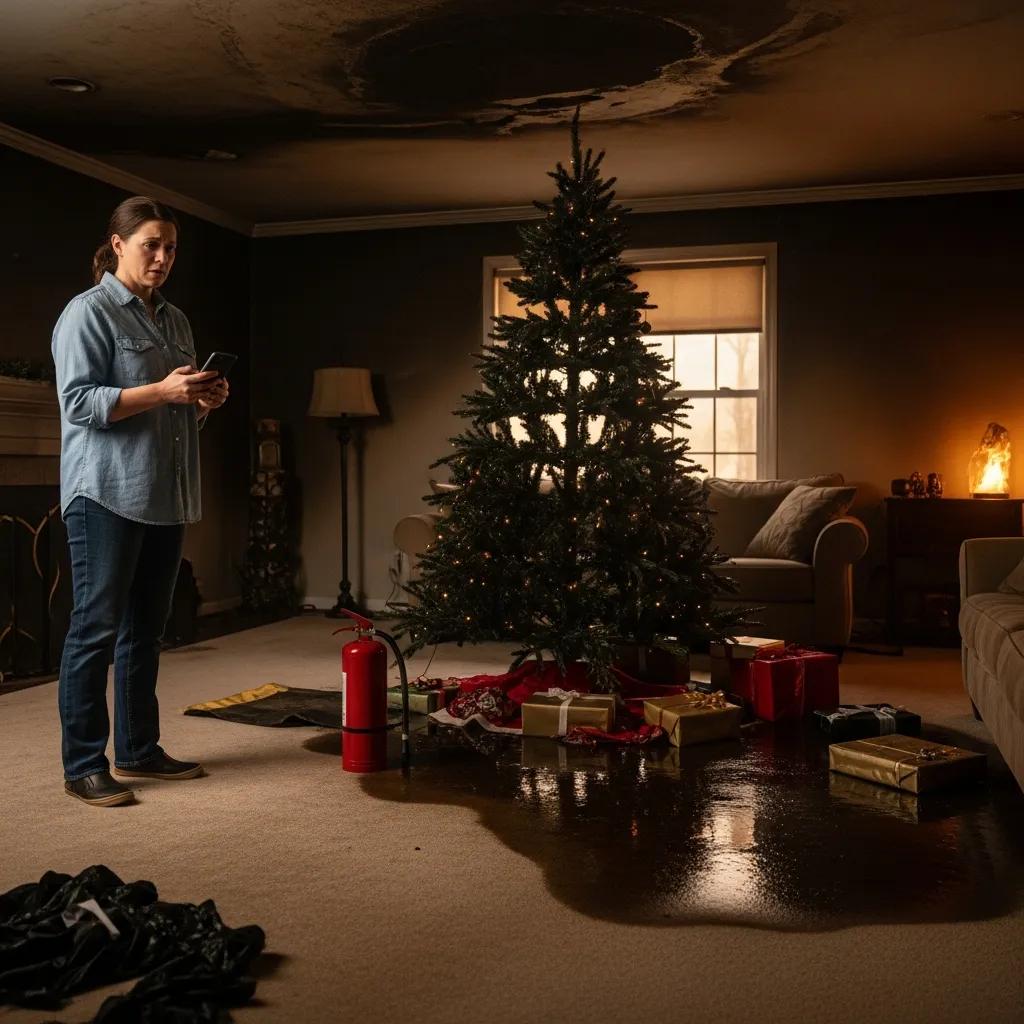
If your tree catches fire, safety comes first. Get everyone out. Call 911 if flames aren’t fully out. Don’t go back inside until it’s safe. If the fire is out, limit further damage. Ventilate to clear smoke and block water from spreading. Photograph damage for insurance before cleaning up. After safety and photos, call professionals. Water damage restoration and mold remediation teams can handle firefighting water. They prevent issues like mold. This numbered list gives you clear steps to follow.
- Prioritize safety and call emergency services if the fire is active or you’re unsure.
- If it’s safe to do so, extinguish small flames; then ventilate the area to reduce smoke hazards.
- Take photos of damage for insurance, avoiding disturbance of evidence where possible.
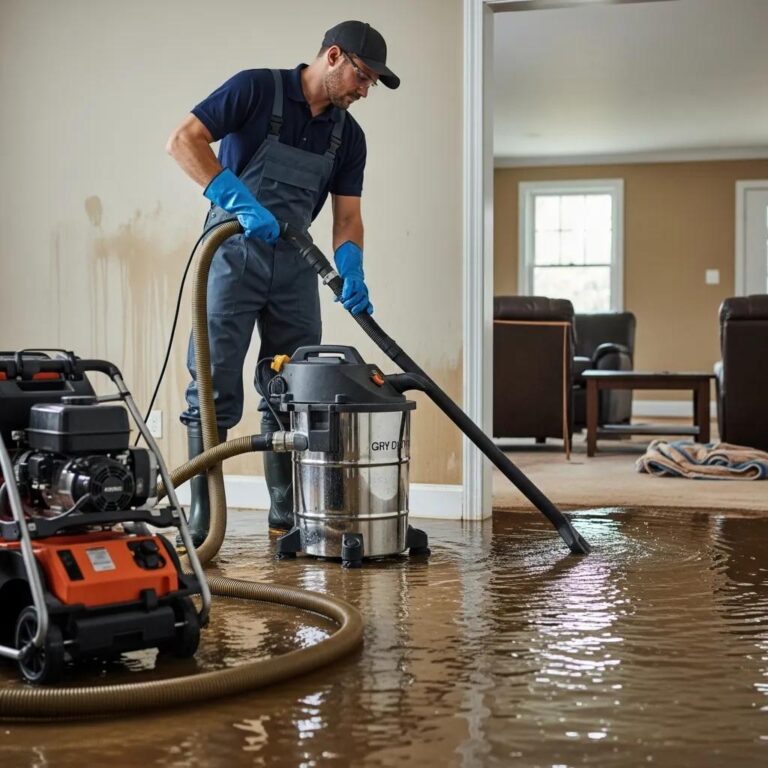
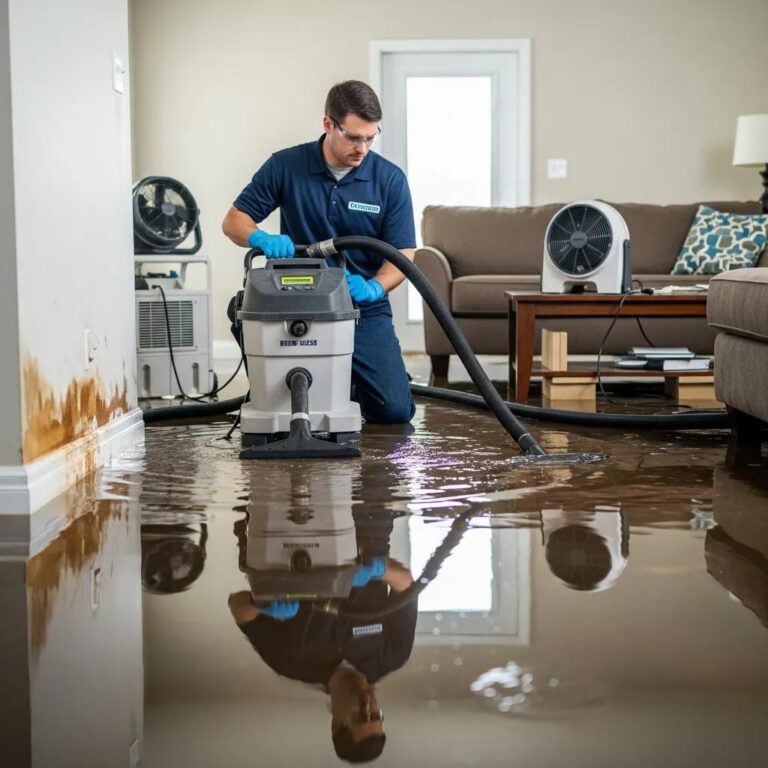
- Contain and soak up excess water to limit migration, then contact restoration professionals for extraction and drying.
- Notify your insurer and keep receipts and records for any emergency expenses.
These steps protect your health and home. They show when to call in the pros.
Water Damage and Mold Risk After a Fire
- Flooring (hardwood, carpet):**Likely Water/Mold Risk:** High. Carpets trap moisture. Subfloors can wick water.**Immediate Action:** Remove standing water. Lift rugs. Blot surfaces. Call professionals for extraction and drying.
- Drywall and insulation:**Likely Water/Mold Risk:** High. Porous materials can grow mold within 24–48 hours.**Immediate Action:** Ventilate the area. Remove wet contents if safe. Schedule professional inspection and drying.
- Contents and fabrics:**Likely Water/Mold Risk:** Moderate to high. Textiles absorb water and can harbor mold.**Immediate Action:** Air out and document items. Launder or isolate them. Contact remediation for a salvage assessment.
Know where water goes and how fast mold grows. This helps you decide what to do yourself and what to leave to pros.
How Firefighting Water Leads to Secondary Damage and Mold
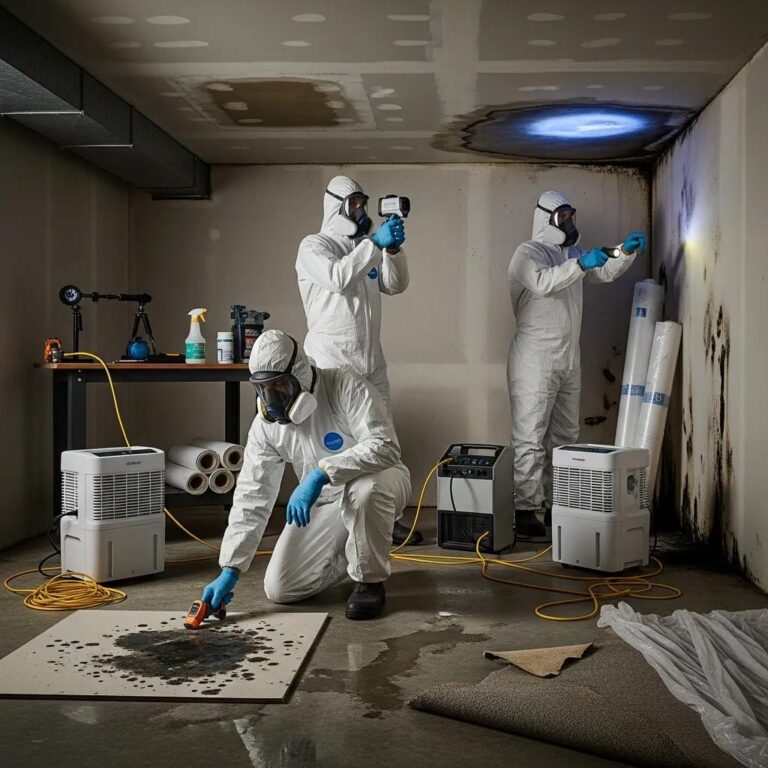
Firefighting water soaks everything: walls, furniture, insulation. This creates perfect conditions for mold. Mold can grow in just 24-48 hours in warm places. Drywall, ceiling insulation, and upholstered items are very vulnerable. They hold moisture and feed mold. Act fast! Increase ventilation, remove wet porous items if it’s safe and start drying with fans and dehumidifiers if you have them. Full drying often needs professional gear. This is especially true for wall cavities or subfloors. Call certified mold remediation specialists quickly. This limits mold and prevents long-term health or structural issues.
A professional assessment is often the fastest way to stabilize things. Companies like offer quick water extraction, drying, and mold remediation. They serve Middle Tennessee. Their goal is to stop mold and start restoration fast. Their teams use industrial equipment. They follow proven drying methods to reduce damage after a fire.
Why Quick Water Damage Restoration and Mold Remediation Matter
Delaying professional restoration can quickly make a bad situation worse. The longer water damage is left untreated, the more likely it is to cause structural problems, hidden mold growth, and declining indoor air quality. These delays can also complicate the insurance process and make claims more difficult to resolve.
Fast, certified remediation helps protect both your home and your health. A professional restoration team begins with a thorough inspection, followed by water extraction, removal of damaged materials, controlled drying, and mold treatment when needed. Throughout the process, trained technicians follow strict industry standards, contain affected areas to prevent cross-contamination, and carefully protect belongings that can be salvaged.
Taking quick action stabilizes your home, supports your insurance claim, and reduces long-term risks to your family’s health. That’s why choosing a trusted local restoration partner is such an important decision.
Need help after a tree fire? First, be safe. Document damage. Then, look for 24/7 response and IICRC certification. They can start water extraction and mold prevention right away. These steps protect your property and help with insurance.
Frequently Asked Questions
What should I do if my Christmas tree catches fire?
If your tree catches fire, get everyone out. Call 911 and contact FEMA if the flames are not fully out. Don’t go back inside until firefighters say it’s safe. If the blaze is small, and you have a fire extinguisher and a safe escape route, you may try to put it out. But never put yourself at risk. After the fire is out, ventilate to reduce smoke. Photograph damage for insurance. Then, reach out to restoration professionals for cleanup and water damage control.
How can I prevent mold growth after a Christmas tree fire?
Act fast to prevent mold. Water from firefighting can lead to mold within 24–48 hours. Ventilate the area. Remove wet items if it’s safe. Use fans or dehumidifiers to speed drying. For thorough drying and mold prevention, contact certified mold remediation professionals. They can assess hidden moisture and use industrial equipment to dry structural cavities effectively.
What are the signs that my Christmas tree is too dry?
Warning signs include brittle branches, heavy needle drop, and needles that break instead of bend. If needles fall off when you touch the branches or the trunk shows cracks, remove the tree. A dry tree is a serious fire risk.
Are artificial Christmas trees safer than real ones?
Artificial trees labeled flame-resistant generally pose less fire risk than a dry real tree. But they are not fireproof. Electrical failures or damaged wiring can still cause ignition. Both types are safe when maintained properly: water real trees daily and inspect artificial trees and lights before use.
What types of holiday lights are safest to use?
LED lights are the safer choice. They run cooler and use less energy than incandescent bulbs. Always use indoor-rated lights for indoor trees. Check for frayed wires or damaged sockets before plugging in. Avoid overloading outlets. Consider using surge protectors and timers to limit continuous operation. Unplug lights when you’re asleep or away.
How can I ensure my Christmas tree is stable and secure?
Use a sturdy stand sized for your tree. Set it on a level surface to prevent tipping. Keep the tree away from heat sources and exits. If you have children or pets, consider anchoring the tree to the wall or using additional supports. Check the stand regularly to make sure it remains tight and stable throughout the season.
What should I document for insurance after a Christmas tree fire?
Document everything clearly. Take photos of damaged areas (the tree, furniture, structural damage). List damaged items with estimated values. Save receipts for emergency services and repair costs. Organized documentation helps your insurance adjuster assess losses and speeds the claim process.
When it's time to take the tree down
Once a Christmas tree begins to dry out—whether that happens before or after the New Year—it should be removed from the home. Dry needles significantly increase the risk of post-holiday fires and are a common cause of seasonal fire incidents. To reduce this risk, take advantage of local curbside pickup programs or designated drop-off locations, which allow for safe and responsible tree disposal.
Conclusion
Christmas trees bring joy, but they also bring fire risks. By following simple safety steps, you can protect your home and loved ones. Remember to choose a fresh tree or a flame-resistant artificial one. Water real trees daily. Always inspect your lights and cords. Keep your tree away from heat sources and clear of exits. If a fire does happen, prioritize safety, get everyone out, and call for help. Quick action after a fire, especially for water damage and mold, is crucial for a fast recovery. With a little care and preparation, you can enjoy a safe and happy holiday season!