Comprehensive Water Damage & Mold Remediation Service Areas: Expert Restoration in Murfreesboro and Nashville
Dealing with water damage or mold can be overwhelming. Our expert services in Murfreesboro and Nashville cover everything from emergency water removal and structural drying to mold inspection and full property restoration. This guide will walk you through how local water damage and mold remediation services work, why a fast, certified response is crucial, and what you should do right after an incident.
Our Unwavering Commitment to Excellence in Middle Tennessee
With years of dedicated service in Murfreesboro and Nashville, our team, 24 Hour Flood Fighters, stands as a pillar of expertise and reliability in the restoration industry. We are not just service providers; we are IICRC-certified specialists committed to upholding the highest standards of safety, efficiency, and professionalism. Our deep understanding of Middle Tennessee’s unique environmental challenges, combined with our advanced training and state-of-the-art equipment, ensures that every project is handled with unparalleled precision and care. Trust in our proven track record and our unwavering dedication to restoring your property and peace of mind.
Your Guide to Restoration Services
You’ll learn about the main restoration services available in Murfreesboro, how mold remediation is specifically handled for Nashville properties, the importance of certified technicians and 24/7 availability, common risks in Middle Tennessee, and practical steps for navigating insurance claims in Rutherford County. We emphasize quick action to prevent further damage and mold growth, explain inspection and testing, and outline how restoration teams help with documentation and insurance support. Our goal is to help property owners find local expertise and understand the entire remediation process, using terms like “emergency water extraction Murfreesboro TN,” “Nashville black mold removal specialists,” and “water damage insurance claims assistance Murfreesboro” to guide you.
What Are the Key Water Damage Restoration Services in Murfreesboro?
Core Restoration Steps in Murfreesboro
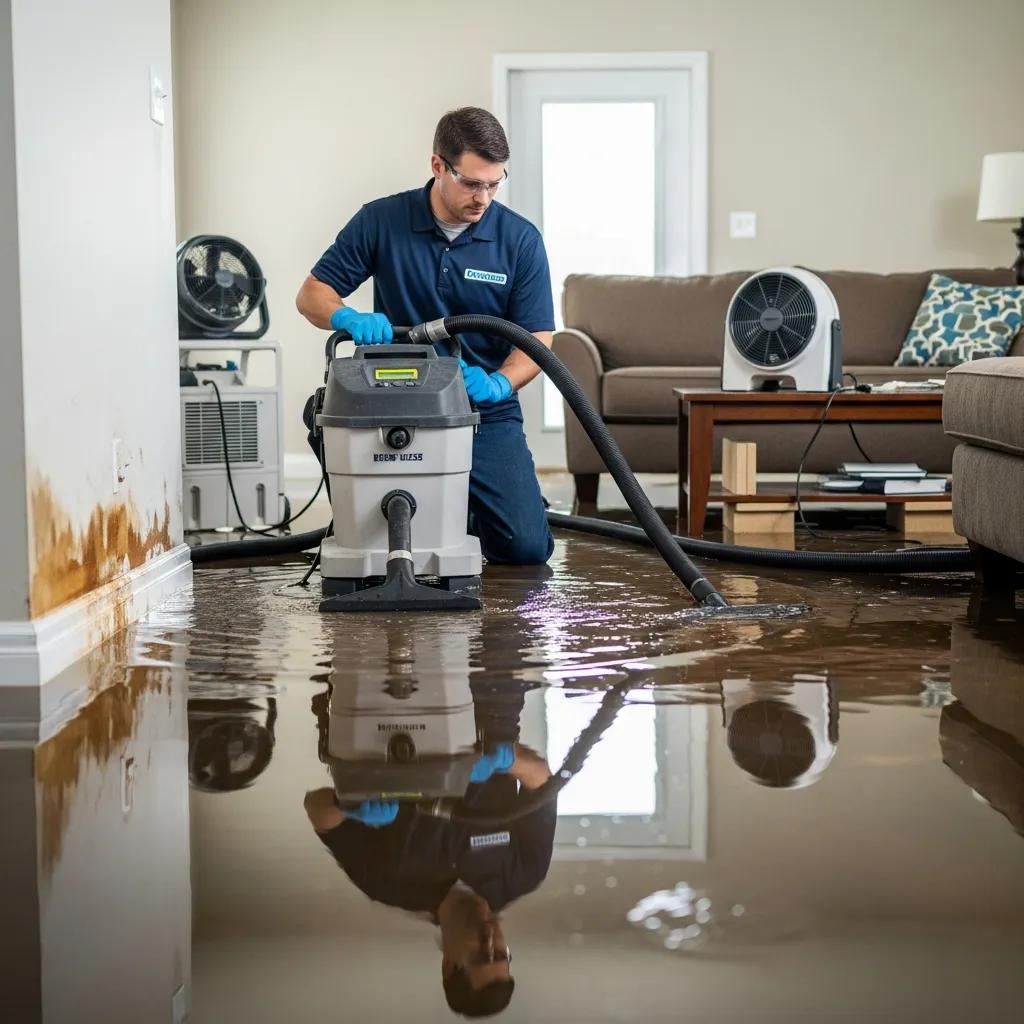
Water damage restoration in Murfreesboro involves several critical steps: emergency water removal, thorough structural drying, sanitization, sewage cleanup, and coordinating repairs to get your property back to normal quickly. It all starts with a fast assessment to identify the water source and affected materials, which then guides the best extraction and drying methods to stop mold and structural decay.
Benefits of Professional Water Damage Restoration
The main benefit of this prompt, systematic approach is that it lowers repair costs, speeds up insurance claims, and restores healthy indoor air quality. Local experts use powerful equipment like truck-mounted extractors, industrial air movers, and dehumidifiers to remove standing water and control moisture in walls and floors. Understanding these core services helps homeowners know what to expect and choose professional, certified responders.
Here’s a quick look at our core water damage services, what to expect, and typical timelines:
- Emergency Water Extraction:
- Typical Response Time: Within hours (24/7 availability)
- Equipment Used: Truck-mounted extractors, submersible pumps
- Typical Turnaround: 1–3 days for the extraction phase
- Structural Drying & Dehumidification:
- Typical Response Time: Same day as extraction begins
- Equipment Used: Air movers, commercial dehumidifiers
- Typical Turnaround: 3–7 days, depending on moisture levels
- Sewage Backup Cleanup & Sanitization:
- Typical Response Time: Immediate (containment is crucial)
- Equipment Used: Personal Protective Equipment (PPE), disinfectants, HEPA vacuums
- Typical Turnaround: 1–5 days for mitigation and sanitation
- Content Drying and Pack-Out:
- Typical Response Time: Within 24–48 hours
- Equipment Used: Specialized drying chambers, moisture meters
- Typical Turnaround: Days to weeks, based on the extent of damage
- Typical Response Time: Within hours (24/7 availability)
- Equipment Used: Truck-mounted extractors, submersible pumps
- Typical Turnaround: 1–3 days for the extraction phase
- Typical Response Time: Same day as extraction begins
- Equipment Used: Air movers, commercial dehumidifiers
- Typical Turnaround: 3–7 days, depending on moisture levels
- Typical Response Time: Immediate (containment is crucial)
- Equipment Used: Personal Protective Equipment (PPE), disinfectants, HEPA vacuums
- Typical Turnaround: 1–5 days for mitigation and sanitation
- Typical Response Time: Within 24–48 hours
- Equipment Used: Specialized drying chambers, moisture meters
- Typical Turnaround: Days to weeks, based on the extent of damage
This overview shows how different services work together to restore properties quickly, minimizing mold risks and secondary damage. Next, we’ll dive into specific processes like emergency water removal that homeowners will experience.
How Does Emergency Water Removal Work in Murfreesboro Homes?
Initial Assessment and Safety Protocols
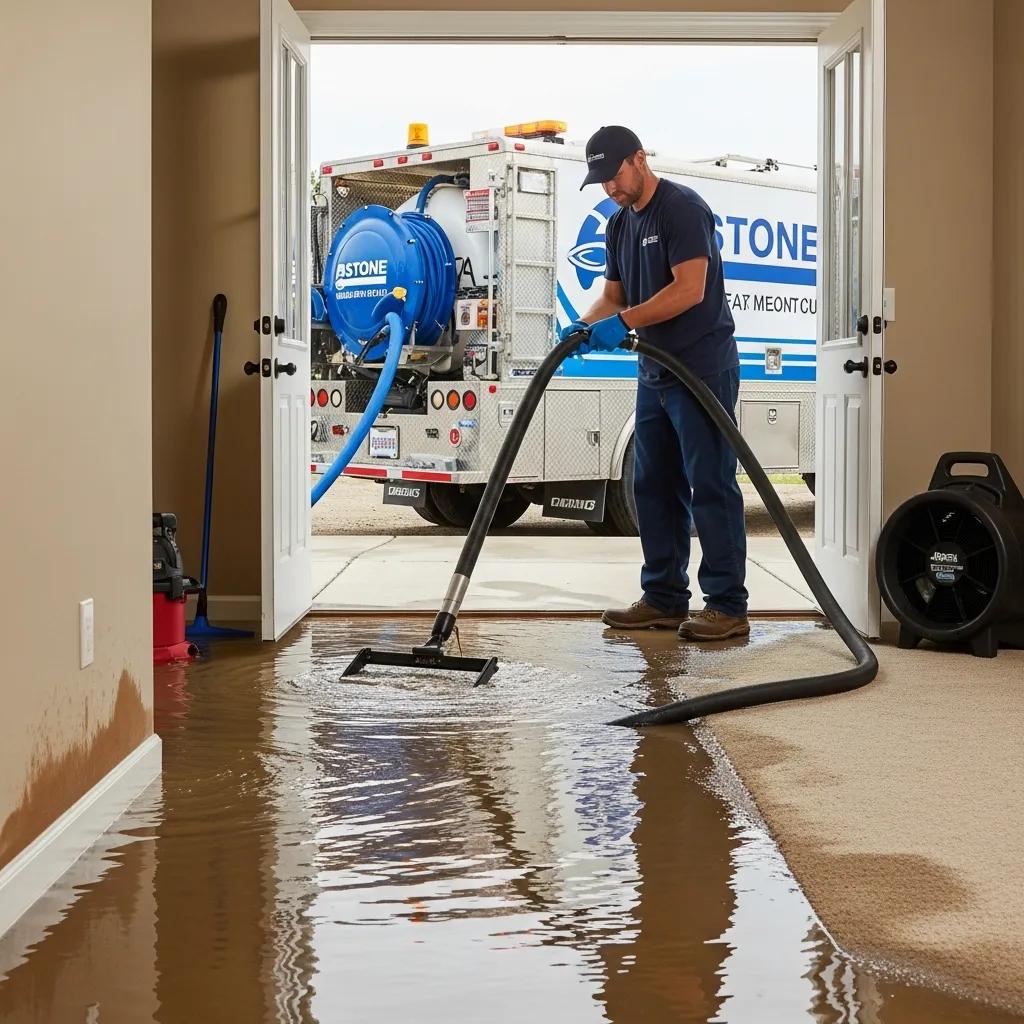
Emergency water removal starts with a quick phone call and an on-site assessment to figure out the water source and how contaminated it is. This helps us choose the right safety protocols and equipment. Our technicians do an initial walkthrough, measure moisture using meters and infrared imaging, and set up containment and electrical safety before extraction begins. This protects everyone and helps save salvageable items.
Extraction and Structural Drying Process
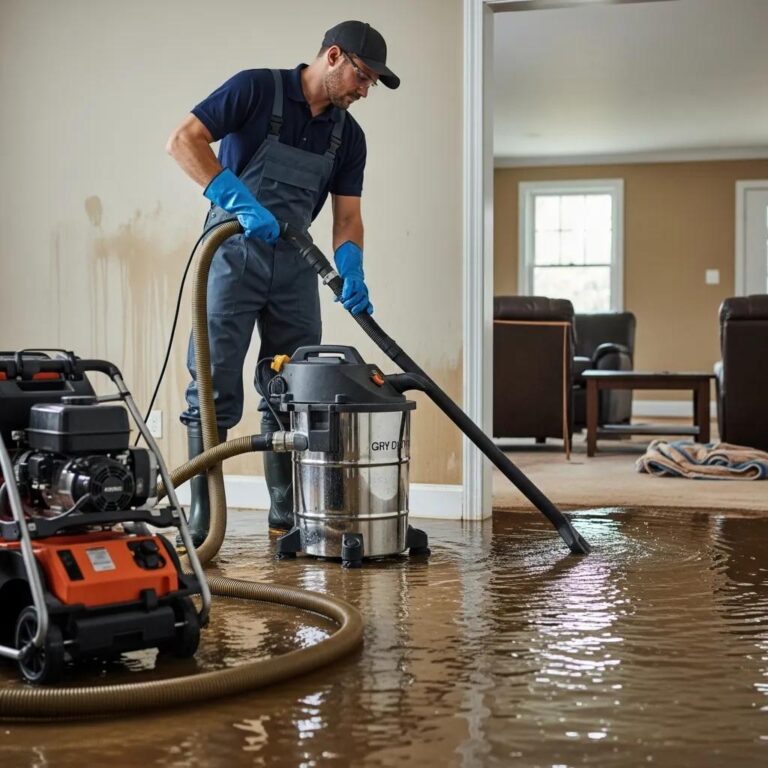
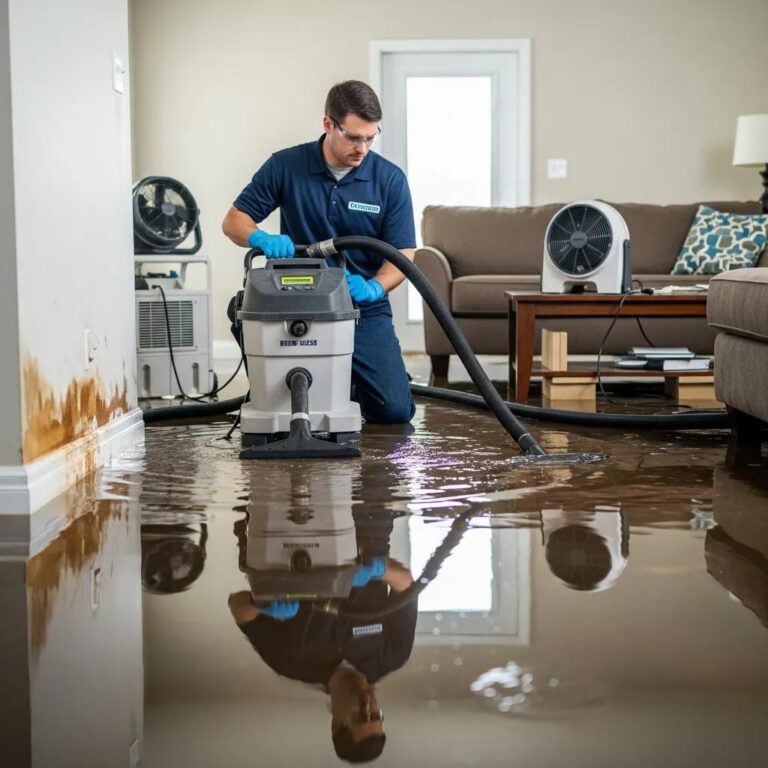
We use powerful truck-mounted extractors and high-capacity pumps to remove standing water. After that, we place air movers and dehumidifiers to start structural drying and prevent mold from growing. Homeowners can expect a clear, documented plan, moisture mapping, and regular updates on timelines and when it’s safe to re-enter affected areas. Understanding this process from assessment to drying helps you prepare and coordinate with your insurance company while we work.
What Are the Steps for Effective Flood Cleanup in Murfreesboro?
Understanding the Flood Cleanup Sequence
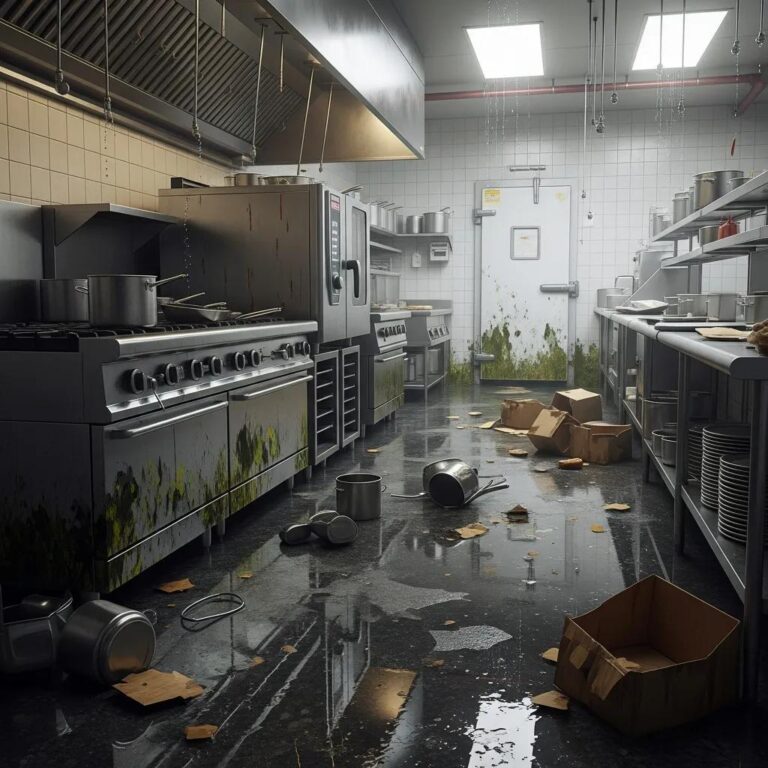
Flood cleanup follows a clear process: first, we assess safety and contamination, then remove standing water, separate items that can be saved, dry the structures, and finally, sanitize and repair everything to make your home livable again. This sequence is vital because mixing contaminated floodwater with porous materials quickly leads to microbial growth and health hazards. Proper containment and waste handling protect both occupants and our remediation team.
Professional and Homeowner Actions
Typical steps include using personal protective equipment (PPE) for sewage or contaminated floods, removing and disposing of irreparably damaged materials, carefully drying structural elements, and applying antimicrobial treatments when necessary. Homeowners should take photos of the damage and keep all receipts for mitigation expenses to support insurance claims. Knowing this order of operations and safety priorities reduces risks and speeds up the transition from emergency response to full restoration.
Here’s a flood cleanup checklist outlining immediate homeowner actions and when to call in the professionals:
- Ensure safety: Evacuate if needed and avoid standing water if you don’t know if it’s contaminated.
- Document damage: Take photos of affected areas before any cleanup begins for your insurance records.
- Stop water source: If safe, shut off the water supply, or contact emergency services for severe flooding.
- Begin mitigation: You can use pumps and extraction equipment for clean water; professionals should always handle sewage.
- Preserve receipts: Keep all invoices for temporary repairs, lodging, and mitigation expenses.
These steps provide a practical roadmap for immediate action and clarify when specialized equipment and certified technicians are needed. This leads us to how mold remediation is handled differently in nearby Nashville properties.
How Is Mold Remediation Specialized for Nashville Properties?
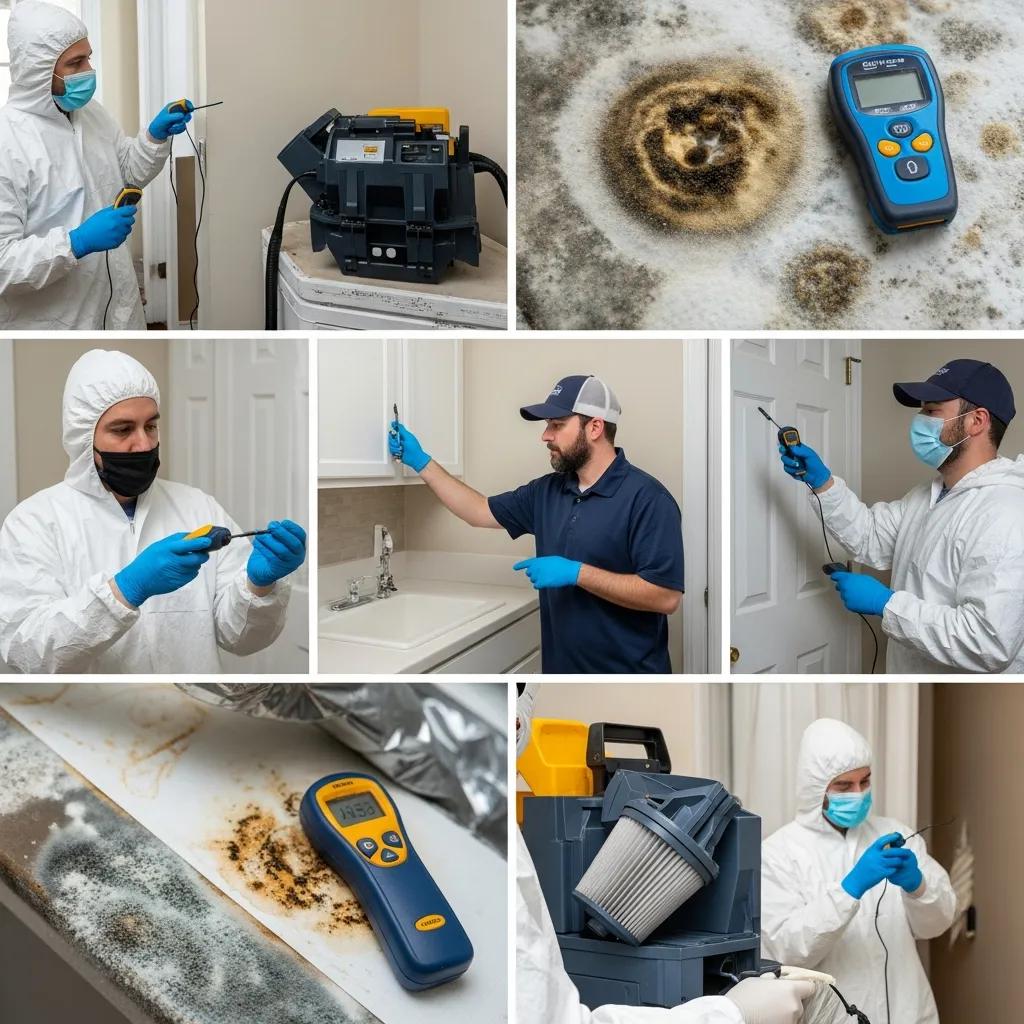
Nashville's Mold Remediation Process
Mold remediation in Nashville homes starts with a detailed inspection to find moisture sources, measure spore concentration, and identify contaminated materials. We then follow a strict process of containment, removal, and clearance testing to ensure everyone’s safety. This method—inspection, containment, removal, sanitation, and clearance—prevents airborne spores from spreading and removes mold-colonized materials, improving indoor air quality.
Benefits and Local Considerations for Mold Remediation
The benefit is reduced health risks and verified safe re-occupancy through thorough clearance testing and documentation. Local factors in Nashville, such as high humidity, older buildings, and common basements or crawlspaces, influence our testing methods and containment choices. Our technicians often use moisture meters, infrared cameras, and HEPA-filtered negative air systems. Understanding this step-by-step process helps property owners know what interventions to expect and what verification is required before re-entering their homes.
Here’s a comparison of common mold services, health risks, testing, and remediation steps used in Nashville:
- Visual Mold Inspection:
- Health Risk Level: Low to moderate
- Testing Methods: Visual assessment, moisture mapping
- Remediation Steps: Identify the source, isolate the affected area, plan remediation
- Surface Sampling:
- Health Risk Level: Moderate
- Testing Methods: Swab or tape sampling for lab analysis
- Remediation Steps: Remove contaminated materials, clean surfaces thoroughly
- Air Sampling & Clearance Testing:
- Health Risk Level: Varies (depends on results)
- Testing Methods: Spore traps, lab analysis
- Remediation Steps: Containment, HEPA filtration, post-remediation testing to confirm success
- Black Mold Remediation:
- Health Risk Level: Higher risk for sensitive occupants
- Testing Methods: Targeted sampling, comprehensive clearance testing
- Remediation Steps: Full containment, extensive PPE, removal of affected materials, HEPA cleaning
- Health Risk Level: Low to moderate
- Testing Methods: Visual assessment, moisture mapping
- Remediation Steps: Identify the source, isolate the affected area, plan remediation
- Health Risk Level: Moderate
- Testing Methods: Swab or tape sampling for lab analysis
- Remediation Steps: Remove contaminated materials, clean surfaces thoroughly
- Health Risk Level: Varies (depends on results)
- Testing Methods: Spore traps, lab analysis
- Remediation Steps: Containment, HEPA filtration, post-remediation testing to confirm success
- Health Risk Level: Higher risk for sensitive occupants
- Testing Methods: Targeted sampling, comprehensive clearance testing
- Remediation Steps: Full containment, extensive PPE, removal of affected materials, HEPA cleaning
This comparison helps property owners understand their testing options and the reasons behind specific remediation actions. Next, we’ll look at the specific tools and inspection processes used in Nashville homes.
What Are the Processes for Mold Inspection and Removal in Nashville?
Comprehensive Mold Inspection and Testing
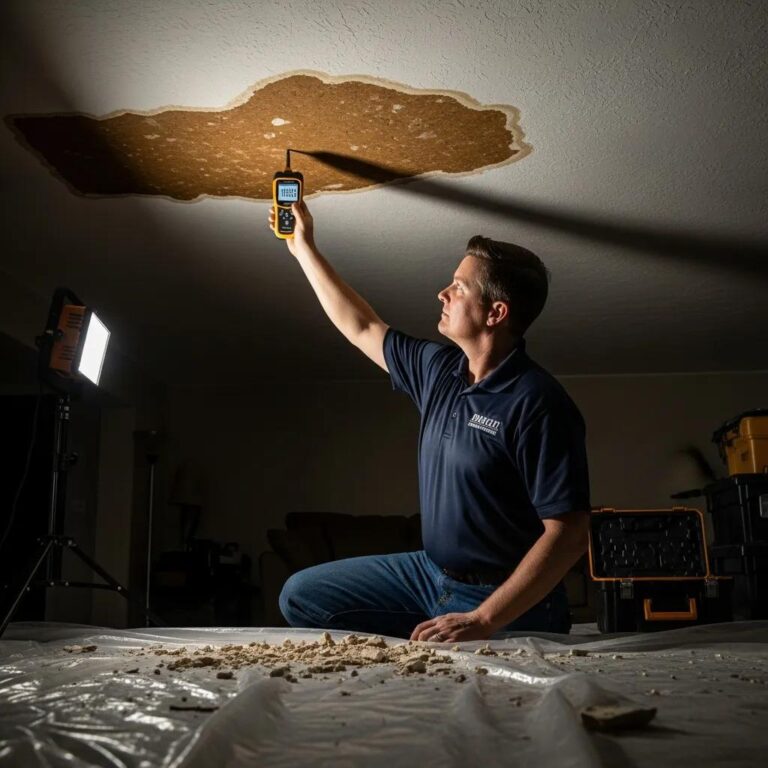
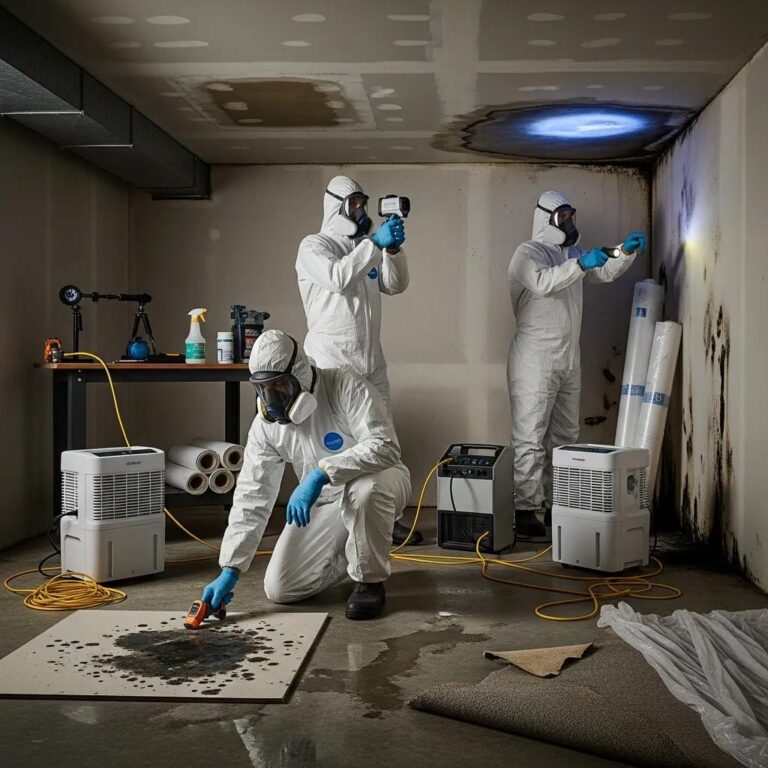
Mold inspection in Nashville begins with a visual assessment and a moisture survey. We use tools like moisture meters and infrared cameras to find hidden wet spots that encourage mold growth. Testing options include surface sampling to identify mold types and air sampling to measure spore concentration. Labs then analyze these samples to determine the scope of remediation and clearance criteria.
Containment, Removal, and Clearance Verification
Containment strategies often involve using polyethylene barriers and negative air pressure with HEPA filtration to prevent cross-contamination while our team removes affected materials and cleans structural elements. Removal techniques vary: porous items are often discarded, while hard surfaces are cleaned and sealed. Finally, clearance testing confirms that the remediation was successful. Knowing this inspection-to-clearance sequence helps homeowners understand when their spaces are truly safe to occupy again.
How Does Black Mold Remediation Protect Nashville Residents' Health?
Targeting Black Mold: Protocols and Health Protection
Black mold remediation specifically targets mold species known for higher allergenic or irritant potential. We follow strict protocols to minimize airborne exposure and long-term health effects, especially for sensitive individuals. Our process uses containment, HEPA-filtered negative air units, sealed removal of contaminated materials, and post-remediation clearance testing to verify that spore counts are significantly reduced compared to baseline or outdoor samples.
Ensuring Safe Re-occupancy with Clearance Testing
Remediation protects occupants by removing mold-colonized surfaces and cleaning HVAC and ventilation systems that can spread spores throughout a building. Clearance criteria and documentation provide objective proof that your spaces meet re-occupancy standards for indoor air quality, safeguarding residents and reducing the risk of persistent respiratory symptoms. Understanding these health-focused steps helps owners prioritize professional remediation when black mold is suspected.
Why Choose Certified Water Damage Repair Services in Murfreesboro, TN?
The Value of Certified Restoration
Choosing certified water damage repair services means you get standardized protocols, trained technicians, and documented processes that significantly improve restoration outcomes and simplify insurance coordination. Certifications, like those from the IICRC (Institute of Inspection, Cleaning and Restoration Certification), show that a company is competent in proven mitigation methods and quality assurance. We also use advanced equipment such as injectidry systems, powerful dehumidifiers, and moisture-mapping tools to ensure thorough drying.
Our IICRC Certifications & Expertise
Our commitment to authority is underscored by our team’s extensive certifications from the Institute of Inspection, Cleaning and Restoration Certification (IICRC). This globally recognized body sets the standards for the inspection, cleaning, and restoration industries. Our technicians hold various IICRC designations, including:
- Water Damage Restoration Technician (WRT): Expertise in water damage mitigation, extraction, and drying.
- Applied Structural Drying (ASD): Specialized knowledge in drying structures and contents using advanced techniques.
- Applied Microbial Remediation Technician (AMRT): Certified in mold and sewage remediation, ensuring safe and effective removal.
- Odor Control Technician (OCT): Skilled in identifying and eliminating odors from various sources.
These certifications are not just badges; they represent rigorous training, adherence to ethical practices, and a deep understanding of the science behind effective restoration. When you choose us, you’re choosing a team whose qualifications are recognized and respected across the industry.
Streamlined Claims and Predictable Recovery
The result is a lower risk of secondary damage, verified moisture control, and clearer documentation for your insurance claims, leading to more predictable recovery timelines. Certified responders often offer 24/7 emergency availability and provide an organized scope of work that aligns with insurer expectations, increasing the chances of efficient claim resolution. Knowing these advantages helps property owners make informed decisions when selecting local restoration teams.
Here’s a short list of certifications, equipment, and procedural benefits that are important when choosing a restoration provider:
- Certified Technicians: Our team demonstrates training in modern mitigation best practices and industry standards.
- Advanced Drying Equipment: We use air movers, dehumidifiers, and injectidry systems to speed up drying and reduce the need for extensive reconstruction.
- Documented Protocols: We provide moisture maps, drying logs, and detailed scopes of work to support your claims and ensure quality control.
What Certifications and Equipment Ensure Quality Restoration?
Industry Standards and Advanced Tools
Industry certifications confirm that technicians follow tested protocols for mitigation and restoration, which leads to consistent, high-quality results and helps insurance adjusters with their assessments. Essential equipment includes industrial dehumidifiers to lower humidity, air movers to increase evaporation, moisture meters and infrared cameras for accurate diagnostics, and HEPA filtration for safe air quality management during contamination events.
Homeowner Benefits: Documented Procedures and Measurable Endpoints
The combination of certified personnel and calibrated tools allows us to set documented drying goals and objectively verify moisture levels, minimizing the chance of hidden moisture that could lead to mold growth. Homeowners benefit from documented procedures and measurable endpoints, which are valuable for substantiating claims and scheduling reconstruction work.
How Does 24/7 Emergency Response Benefit Murfreesboro Customers?
Minimizing Damage with Rapid Response
A 24/7 emergency response significantly reduces the time water stays in contact with building materials. This directly lowers the likelihood of secondary structural damage and mold colonization. Rapid arrival means immediate extraction, containment, and the quick start of drying systems, which stops microbial growth and stabilizes your property for safe inspection and repair planning.
Key Benefits of Immediate Action
Key benefits include faster mitigation, timely documentation for insurers, and reduced overall repair costs because early action prevents progressive material degradation. For occupants, a fast response means a quicker return to normal living conditions and clear guidance on safety and mitigation steps. Considering response time is therefore a practical and crucial factor when selecting a local restoration provider.
Which Local Factors Affect Water Damage and Mold Risks in Middle Tennessee?
Understanding Middle Tennessee's Unique Risks
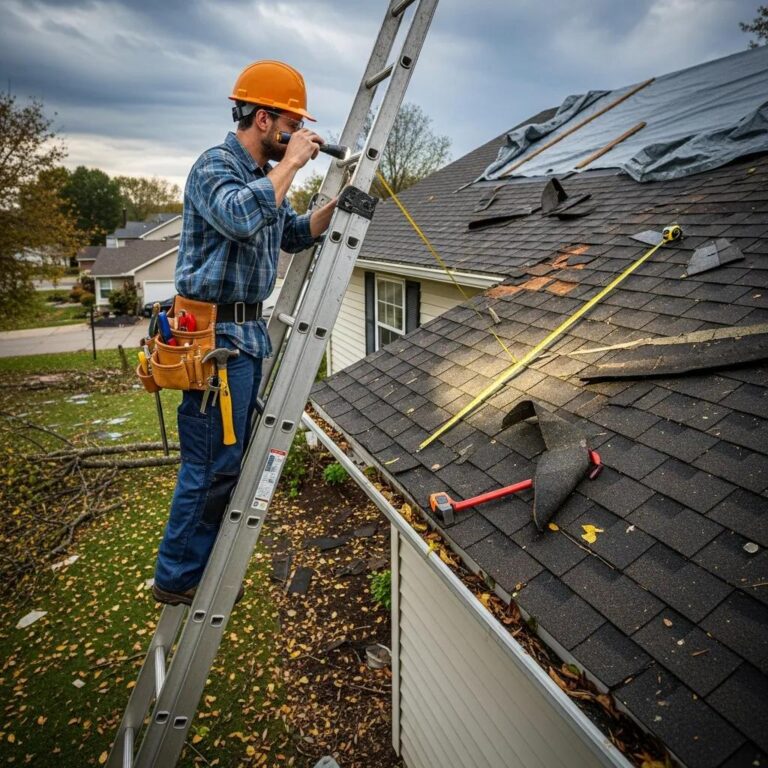
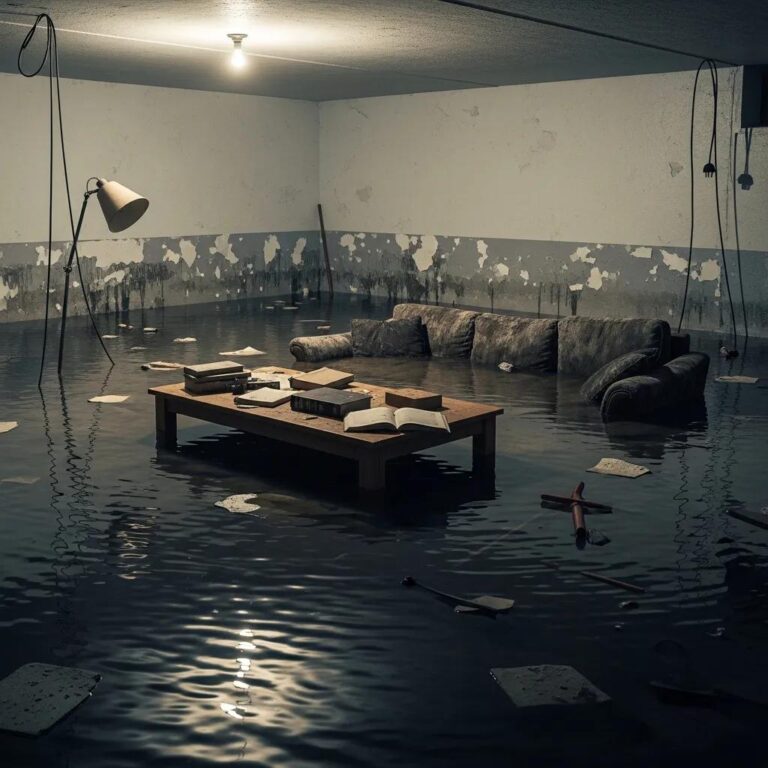
Middle Tennessee’s climate, seasonal storm patterns, and aging building infrastructure all contribute to a higher frequency and complexity of water intrusion and subsequent mold risks in Murfreesboro and Nashville properties. High humidity and occasional heavy rains increase the chances of moisture building up in basements and crawlspaces, while older pipes and roofing systems can cause slow leaks that foster hidden moisture.
Accelerated Mold Growth and Air Quality Concerns
These local environmental and infrastructure conditions accelerate mold colonization if drying is delayed and ventilation is poor, leading to indoor air quality concerns for occupants. Recognizing these regional risk factors helps property owners prioritize inspections, preventive maintenance, and rapid mitigation strategies to reduce long-term repair needs. This awareness naturally leads into how storms and infrastructure failures often cause common local damage scenarios.
How Do Storms and Aging Infrastructure Impact Murfreesboro and Nashville?
Distinct Damage Patterns: Storms vs. Chronic Leaks
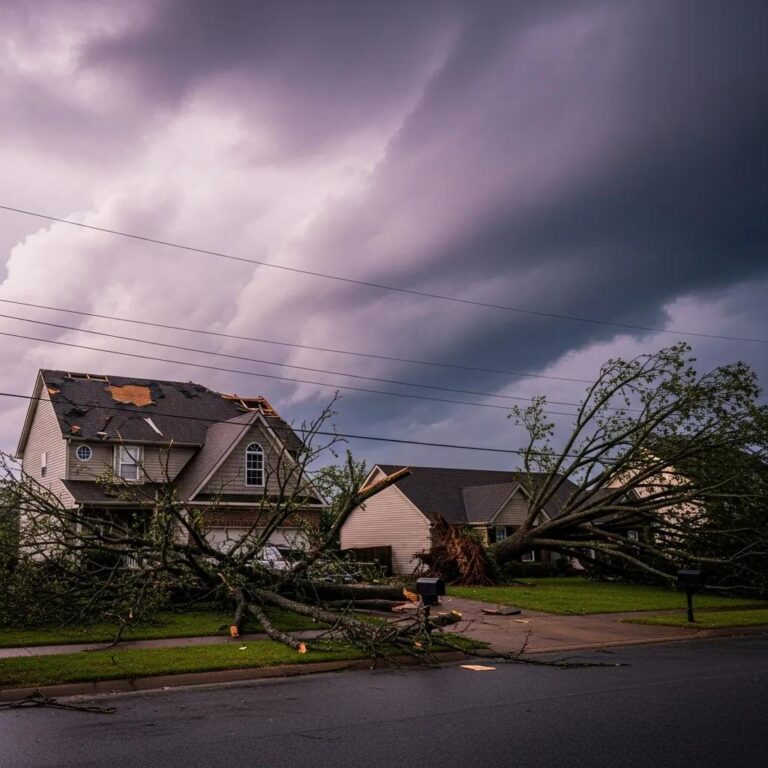
Severe storms bring sudden large amounts of water through surface flooding and roof breaches, while older plumbing and sewer systems can cause chronic leaks or backups that lead to gradual but persistent moisture exposure. The way damage occurs differs: flash flooding often causes widespread contamination and structural stress, whereas slow leaks create hidden moisture within wall cavities that is harder to detect but equally damaging.
Vulnerable Areas and Preventative Strategies
Typical weak points include basements, attics, roof penetrations, and aging sewer lines, which together account for many local remediation calls. Recommended preventative measures include routine roof and plumbing inspections, maintaining proper grading and drainage around your property, and installing moisture alarms to detect early leaks. Understanding these common failure modes helps guide sensible risk reduction actions for property owners.
What Are Common Causes of Mold Growth After Water Damage?
Optimal Conditions for Mold Colonization
Mold commonly grows when moisture remains in porous materials for 24–48 hours, with growth accelerating in the warm, humid conditions often found in Middle Tennessee. Hidden moisture behind drywall, under flooring, and in insulation provides the perfect environment for spores to colonize, especially when ventilation is poor and materials are organic.
Preventing Mold: Rapid Mitigation and Targeted Demolition
Additional factors include delayed mitigation after water events, inadequate drying protocols, and failing to promptly remove contaminated porous materials. Preventive steps include rapid extraction, setting clear drying goals with measurable endpoints, and targeted demolition of unsalvageable materials to eliminate places where mold can grow. Recognizing these causes empowers homeowners to demand thorough drying and testing to confirm remediation success.
How Can Property Owners Navigate Insurance and Restoration in Rutherford County?
A Step-by-Step Guide to Insurance Claims
Property owners navigating insurance and restoration in Rutherford County should follow a clear, documented process: immediately document the damage, contact your insurer to report the claim, begin temporary mitigation to prevent further loss, and work with restoration professionals who provide detailed estimates and documentation for adjusters. This coordinated documentation and mitigation process stabilizes the loss, preserves your claim’s value, and shortens the time to permanent repairs.
Benefits of Coordinated Documentation
The benefit is a smoother claims process and fewer disputes over the scope of work when restoration companies provide moisture maps, drying logs, and itemized scopes of work. Knowing the roles and typical timelines for everyone involved clarifies expectations and reduces stress during the restoration process.
Here’s a breakdown of stakeholder roles, actions, and typical timelines during a standard water damage claim:
- Homeowner:
- Action: Document damage with photos, keep all receipts, secure the property.
- Typical Timeline: Immediately to within 24 hours.
- Insurer:
- Action: Assign an adjuster, evaluate coverage, authorize mitigation.
- Typical Timeline: 24–72 hours after notice.
- Restoration Company:
- Action: Mitigate damage, document moisture mapping, provide an estimate.
- Typical Timeline: Same day to 48 hours for emergency response.
- Contractor/Repair:
- Action: Complete reconstruction according to the approved scope.
- Typical Timeline: Days to weeks, depending on the scope of work.
- Action: Document damage with photos, keep all receipts, secure the property.
- Typical Timeline: Immediately to within 24 hours.
- Action: Assign an adjuster, evaluate coverage, authorize mitigation.
- Typical Timeline: 24–72 hours after notice.
- Action: Mitigate damage, document moisture mapping, provide an estimate.
- Typical Timeline: Same day to 48 hours for emergency response.
- Action: Complete reconstruction according to the approved scope.
- Typical Timeline: Days to weeks, depending on the scope of work.
This mapping clarifies expectations and prepares homeowners for the next steps, including the specific types of documentation restoration companies provide to assist with claims.
What Is the Role of Restoration Companies in Insurance Claims Assistance?
Providing Objective Documentation for Insurers
Restoration companies play a crucial role in supporting insurance claims by providing objective documentation. This includes moisture maps, drying logs, photographic records, and detailed scopes of work that explain necessary mitigation and repair items to adjusters. Clear, standardized documentation reduces ambiguity for insurers and speeds up authorization for work, while mitigation receipts demonstrate that timely action was taken to limit further loss.
Streamlining Communication and Approvals
Restoration firms often communicate directly with adjusters to explain technical aspects like the category of water and drying goals, which streamlines inspections and approvals. Homeowners should request copies of all documentation and coordinate communication to ensure consistency between the mitigation scope and the insurer’s coverage decisions. Understanding this role helps homeowners manage claims with less confusion and faster approvals.
How to Choose the Right Water Damage and Mold Remediation Service in Rutherford County?
Key Criteria for Selecting a Provider
Selecting a remediation provider should be based on clear, verifiable criteria: certified technicians, transparent scope and pricing, rapid response times, documented processes for drying and clearance testing, and experience working with insurers. These criteria are important because certified teams with modern equipment and clear documentation deliver measurable drying endpoints and objective clearance results, reducing the chance of lingering moisture or mold.
What to Ask and Red Flags to Avoid
Ask prospective providers for examples of moisture mapping, drying logs, and post-remediation testing procedures. Watch out for red flags like unlicensed contractors or demands for cash-only payments without a written scope of work. Comparing bids based on the scope of work, not just the price, ensures you choose a provider who will fully restore your property and support a smooth insurance process.
Here’s a quick checklist and a list of red flags to guide your selection:
- Selection Checklist:
- Verify technician certification and documented protocols.
- Confirm 24/7 emergency response and typical arrival times.
- Request sample drying logs and scope-of-work templates.
- Red Flags:
- Unlicensed contractors insisting on large cash deposits.
- Vague scopes of work without measurable drying goals.
- Refusal to provide documentation for insurer review.
- Verify technician certification and documented protocols.
- Confirm 24/7 emergency response and typical arrival times.
- Request sample drying logs and scope-of-work templates.
- Unlicensed contractors insisting on large cash deposits.
- Vague scopes of work without measurable drying goals.
- Refusal to provide documentation for insurer review.
Using this checklist helps homeowners compare providers based on quality criteria rather than price alone, leading to more predictable and successful remediation outcomes.
Meet Our Certified Restoration Specialists
Our strength lies in our people. Each member of our restoration team is not only highly trained but also deeply committed to continuous education and adherence to the latest industry best practices. We invest in our technicians through ongoing IICRC training and advanced equipment certifications, ensuring they are equipped with the knowledge and tools to tackle any water damage or mold challenge effectively and safely. When our specialists arrive on-site, you’re not just getting a service; you’re gaining the expertise of dedicated professionals who prioritize your property’s health and your peace of mind.
IICRC Certified Technicians
Our team holds multiple IICRC certifications, ensuring adherence to global industry standards for water, mold, and structural drying.
Continuous Professional Development
We believe in lifelong learning, regularly updating our skills and knowledge to incorporate the latest advancements in restoration science.
Advanced Equipment Proficiency
Our specialists are experts in operating cutting-edge equipment for precise moisture detection, extraction, and drying.
Frequently Asked Questions (FAQ)
What should I do immediately after water damage occurs?
First, ensure safety by evacuating if necessary and avoiding standing water. Then, document the damage with photos, stop the water source if safe, and contact a professional restoration service immediately. Also, notify your insurance company as soon as possible.
How long does water damage restoration typically take?
The timeline varies depending on the extent of the damage. Emergency water extraction can take 1-3 days, while structural drying might take 3-7 days. Overall restoration, including repairs, can range from days to several weeks.
Is mold remediation different in Nashville compared to other areas?
While core remediation principles are universal, Nashville’s high humidity, older building stock, and common basements/crawlspaces mean that inspections and containment strategies are often tailored to these local conditions. Thorough moisture detection and clearance testing are especially critical.
Why is it important to choose certified restoration technicians?
Certified technicians follow industry-standard protocols, ensuring effective and safe remediation. This reduces the risk of secondary damage, provides clear documentation for insurance claims, and ensures your property is restored to a healthy condition.
Will my homeowner's insurance cover water damage and mold remediation?
Coverage depends on your specific policy and the cause of the damage. Most policies cover sudden and accidental water damage (e.g., burst pipe) but may exclude flood damage (requiring separate flood insurance) or damage from long-term neglect. Always contact your insurer promptly to understand your coverage.
How can I prevent mold growth after water damage?
The most crucial step is rapid and thorough drying of all affected materials within 24-48 hours. This includes using professional-grade air movers and dehumidifiers. Removing unsalvageable porous materials and ensuring proper ventilation also helps prevent mold.
Conclusion
Navigating water damage and mold remediation in Murfreesboro and Nashville requires prompt action, professional expertise, and a clear understanding of the process. From emergency water extraction and structural drying to specialized mold remediation and insurance claims assistance, choosing certified professionals ensures your property is restored safely and efficiently. Local factors like Middle Tennessee’s climate and aging infrastructure highlight the importance of proactive maintenance and rapid response.
By documenting damage, understanding your insurance policy, and partnering with a reputable, certified restoration company, you can minimize stress, reduce costs, and ensure a smooth path back to a healthy, restored home or business. Don’t hesitate to act quickly when water damage strikes – your property and peace of mind depend on it.
Additional Resources
External Resources:
- IICRC (Institute of Inspection, Cleaning and Restoration Certification) – The leading global organization setting standards and certifications for the inspection, cleaning, and restoration industries. Essential for verifying professional competence.
- EPA Mold Resources – Comprehensive information from the Environmental Protection Agency on mold cleanup, prevention, and health effects, offering authoritative guidance for homeowners.
- FEMA Flood Insurance – Official information from the Federal Emergency Management Agency on flood preparedness and the National Flood Insurance Program, crucial for understanding flood risk and coverage.