
Expert Tips for Dealing with a Flooded Basement: Comprehensive Cleanup, Repair, and Prevention Guide
Experiencing a flooded basement can be a homeowner’s worst nightmare, leading to significant water damage and potential health risks. This comprehensive guide provides expert tips on how to effectively manage a flooded basement, covering immediate actions, cleanup procedures, drying methods, and long-term prevention strategies. By understanding the necessary steps to take during a flood, you can minimize damage and ensure a safe environment for your family. This article will explore the immediate steps to take when your basement floods, effective cleanup methods, best practices for drying and preventing mold growth, long-term prevention strategies, and the costs associated with cleanup and repair.
What Are the Immediate Steps to Take When Your Basement Floods?
When your basementfloods, acting quickly is crucial to mitigate damage and ensure safety. The first step is to assess the situation and take necessary precautions to protect yourself and your property.
How Do You Ensure Safety During a Basement Flood Emergency?
Safety should always be your top priority during a basementflood. Here are essential safety measures to follow:
- Turn Off Electricity: Immediately switch off the power supply to avoid electrical hazards. If water has already reached electrical outlets or appliances, do not attempt to turn off power yourself; instead, call an electrician.
- Avoid Contaminated Water: Stay clear of floodwaters, as they may contain harmful contaminants, including sewage, chemicals, or bacteria.
- Wear Protective Gear: Use rubber boots, gloves, and if necessary, a mask to protect yourself from potential hazards.
By prioritizing safety, you can prevent injuries and prepare for the next steps in managing the flood.
Research further emphasizes the serious health implications of exposure to floodwaters.
Health Risks of Contaminated Flood Water
this screening-level risk assessment justify further research and data collection to allow more reliable quantitative assessment of health risks related to contaminated urban flood waters.
Microbial risks associated with exposure to pathogens in contaminated urban flood water, JAE Ten Veldhuis, 2010
For more detailed information on protecting your health during and after a flood, consult resources from the CDC’s Flood Safety Guide.
How Can You Identify and Stop the Water Source Quickly?
Identifying the source of the flooding is critical for effective management. Common sources include:
- Heavy Rainfall: Check for leaks in windows, walls, or cracks in the foundation.
- Broken Pipes: Inspect plumbing for any visible leaks or breaks.
- Sump Pump Failure: Ensure your sump pump is functioning correctly and the discharge line is clear.
Once identified, take immediate action to stop the water source, which may involve repairing leaks, shutting off the main water supply, or diverting water away from your home.
Need Immediate Flood Assistance?
When a basement flood strikes, every minute counts. Our 24-hour flood fighters are ready to respond with expert water removal, cleanup, and restoration services to protect your home and peace of mind.
Don’t let water damage escalate. Get professional help now!
How Is Flooded Basement Cleanup Performed Effectively?
Effective cleanup is essential to restore your basement and prevent further damage. This process involves several key steps and the right equipment.
What Equipment Is Used for Emergency Water Removal and Extraction?
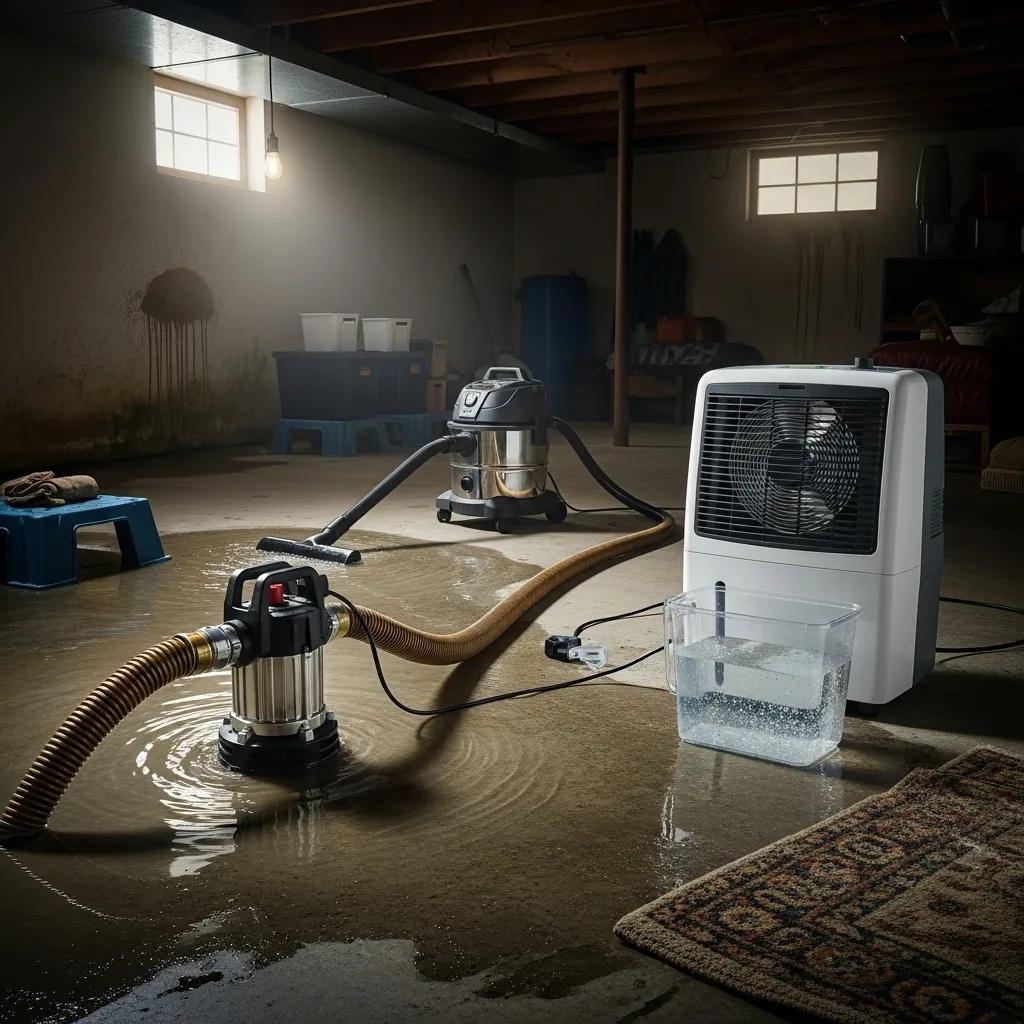
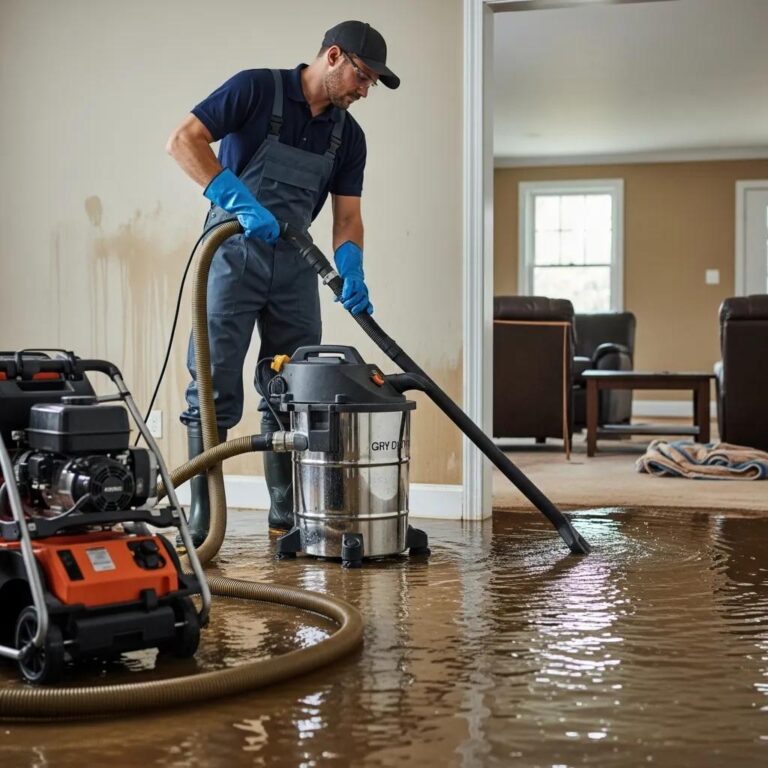
To remove water from your basement, you will need specific equipment, including:
- Submersible Pumps: Ideal for quickly removing large volumes of water.
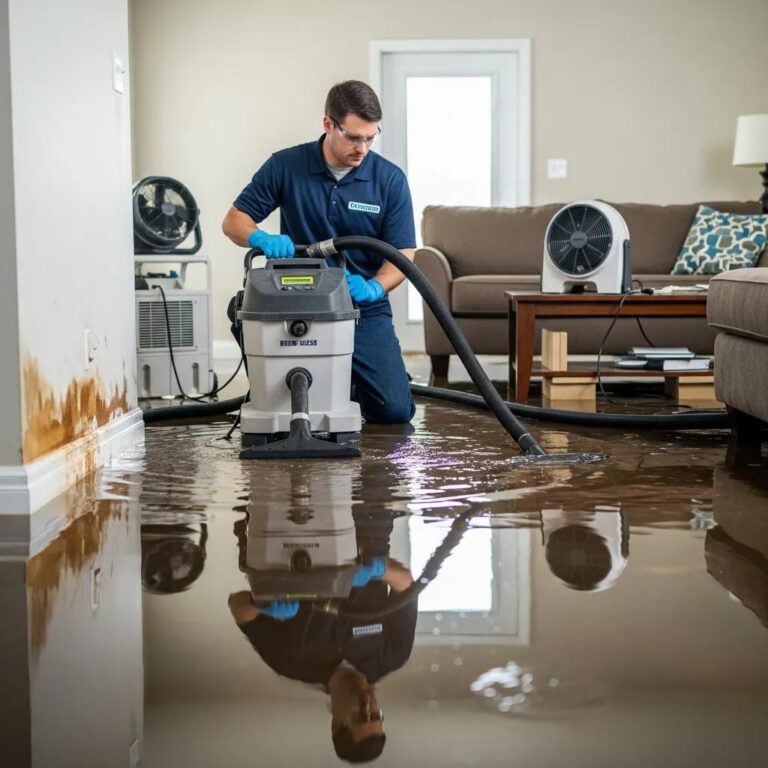
- Wet/Dry Vacuums: Useful for smaller amounts of water and debris.
- Dehumidifiers: Essential for reducing humidity levels after waterremoval.
Using the right equipment ensures a thorough and efficient cleanup process.
How Do You Clean and Disinfect After Water Removal?
After removing the water, cleaning and disinfecting the area is crucial to preventmold growth and ensure a safe environment. Follow these steps:
- Remove Wet Materials: Dispose of any damaged items, such as carpets, drywall, insulation, and porous materials that cannot be thoroughly dried.
- Clean Surfaces: Use a mixture of water and detergent to clean all surfaces.
- Disinfect: Apply a disinfectant solution, such as a bleach solution (1 cup bleach to 1 gallon of water), to kill any remaining bacteria or mold spores. Ensure proper ventilation when using disinfectants.
This thorough cleaningprocess helps safeguard your home against future issues.
What Are the Best Methods for Drying and Preventing Mold Growth?
Rapid drying is essential to preventmold growth in your basement. Here are effective methods to ensure thorough drying:
Why Is Rapid Drying Crucial to Prevent Mold in Flooded Basements?
Mold can begin to grow within 24-48 hours after water exposure. Rapid drying is crucial because:
- Prevents Mold Growth: Quick removal of moisture inhibits mold spores from settling and proliferating.
- Protects Structural Integrity: Reduces the risk of damage to walls, flooring, and foundations.
- Improves Air Quality: Minimizes allergens and health risks associated with mold.
Understanding the importance of rapid drying can help you take the necessary steps to protect your home.
How Are Dehumidifiers and Fans Used for Thorough Basement Drying?
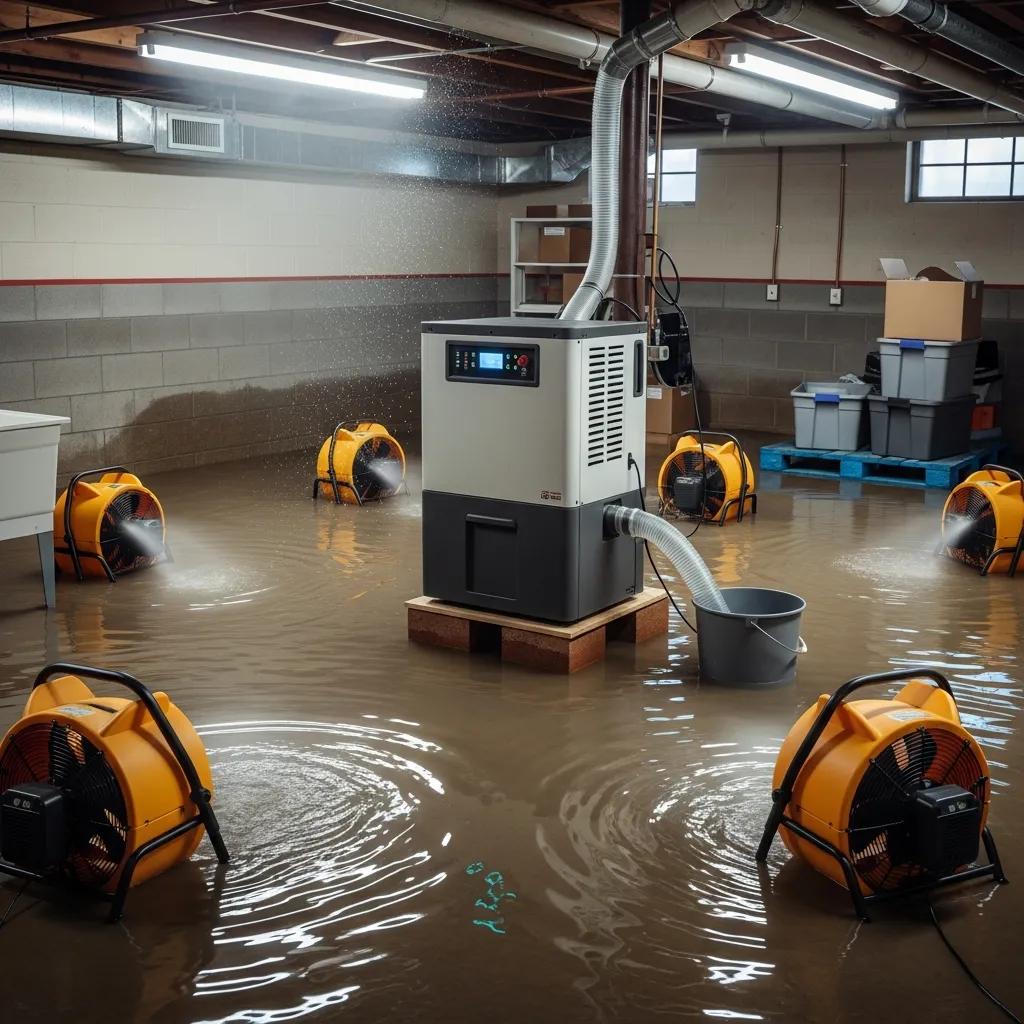
- Dehumidifiers: Place them in the affected area to extract moisture from the air.
- Fans: Use high-velocity fans to circulate air and promote evaporation.
Combining these methods ensures that your basement dries quickly and thoroughly, reducing the risk of mold growth.
For comprehensive guidelines on mold cleanup and prevention, refer to the EPA’s Guide to Mold Cleanup.
Which Basement Flood Prevention Methods Protect Your Home Long-Term?
Preventing future flooding is essential for protecting your home. Here are some effective long-term strategies:
How Does Sump Pump Installation and Maintenance Prevent Flooding?
Installing a sump pump can be a game-changer for basementflood prevention. Key benefits include:
- Automatic WaterRemoval: Sump pumps automatically remove water that accumulates in the sump basin, preventing flooding.
- Regular Maintenance: Ensure your sump pump is regularly tested, cleaned, and maintained for optimal performance, including checking the battery backup if applicable.
By investing in a sump pump, you can significantly reduce the risk of future flooding.
Considering the critical role of sump pumps, it’s also important to plan for power outages to maintain their functionality.
Sump Pump Backup for Power Outages
backup to a house’s sump pump system for when there is a power outage, specifically targeting homes older than the year 2000.
Residential Emergency Backup Power Supply and Hazard Detector, 2000
What Exterior Drainage and Foundation Solutions Reduce Flood Risks?
Proper exterior drainage and foundation solutions are vital for long-term flood prevention:
- Gutters and Downspouts: Ensure they are clear of debris and direct water at least 5-10 feet away from the foundation.
- French Drains: Install these to redirect water away from your home’s foundation.
- Foundation Sealing: Seal cracks and gaps in your foundation walls and floors to prevent water intrusion.
Implementing these solutions can help protect your home from future flooding.
How Much Does Flooded Basement Cleanup and Repair Cost?
Understanding the costs associated with flooded basement cleanup and repair can help you plan effectively. Several factors influence these costs.
What Factors Influence the Cost of Basement Flood Cleanup?
The cost of cleanup can vary based on several factors:
- Size of the Basement: Larger areas require more resources and time.
- Type of WaterDamage: Clean water (Category 1), gray water (Category 2), and black water (Category 3) have different cleanup costs and health risks.
- Extent of Damage: More extensive damage will require more extensive repairs and remediation.
By considering these factors, you can better estimate the potential costs involved.
How Can Homeowners Navigate Insurance Claims for Flood Damage?
Navigating insurance claims can be challenging, but understanding the process can help:
- Document Everything: Take photos and keep records of all damage and expenses.
- Contact Your Insurance Provider: Report the damage as soon as possible.
- Understand Your Policy: Familiarize yourself with what is covered under your homeowner’s insurance and whether you have separate flood insurance, as standard policies often exclude flood damage.
By following these steps, homeowners can effectively manage their insurance claims and recover costs associated with flooddamage.
To learn more about flood insurance and general flood preparedness, visit FEMA’s National Flood Insurance Program website.
Cost Estimates for Flooded Basement Services:
- Water Extraction: Cost Range: $500 – $3,000 (Factors Influencing Cost: Size of area, type of water)
- Mold Remediation: Cost Range: $500 – $6,000 (Factors Influencing Cost: Extent of mold growth)
- Structural Repairs: Cost Range: $1,000 – $15,000 (Factors Influencing Cost: Type of damage, materials used)
This list illustrates the various services involved in flooded basement cleanup and the factors that can influence their costs.
In summary, dealing with a flooded basement requires immediate action, effective cleanup, and long-term prevention strategies. By following these expert tips, homeowners can minimize damage and protect their property from future flooding.