
Your Family's Emergency Plan: A Guide for Middle Tennessee Homeowners & Businesses
Keeping your loved ones safe is a top priority, especially when unexpected events occur. This guide is designed to help our Middle Tennessee neighbors – both homeowners and local businesses – create an effective family emergency plan. For comprehensive national guidance, visit Ready.gov. We’ll cover clear, practical steps like understanding local risks, setting up a communication lifeline, and packing an emergency kit that fits your unique household. With severe weather and flooding becoming more common, a simple, well-practiced plan can significantly reduce stress and confusion when every minute counts. Together, we’ll explore how to build your plan, understand our regional risks, navigate evacuations and sheltering, care for special needs, and keep your plan current and ready.
Building Your Family's Safety Plan: Key Steps
An effective emergency plan ensures everyone knows what to do, bringing peace of mind. Let’s start by considering potential scenarios your family might encounter – perhaps a major storm, a flood, or a medical emergency. Then, we’ll craft a clear communication plan, outlining how everyone will check in and where you’ll all reunite if you ever get separated. Finally, we’ll assemble an emergency kit, packed with supplies to keep your household comfortable and safe for at least 72 hours.
Studies consistently show the peace of mind that comes from having a strong communication plan and a well-stocked supply kit. These are fundamental to a prepared home.
Family Emergency Plan: Communication & Supply Kit Essentials
Consider your Family Emergency Plan an essential component, especially when it comes to Communication & Supply Kit Essentials. Crafting an emergency communication plan and packing a ‘go-bag’ with all your essentials are central to preparing your family for anything. These thoughtful steps – combined with clear ways to stay connected – empower your household to respond quickly and with confidence.
FAMILY EMERGENCY AND DISASTER PREPAREDNESS PLAN: A PROPOSED NATIONAL POLICY
Creating Your Family's Communication Lifeline
A communication plan makes it much easier for everyone to find each other and get reliable information when it matters most. An important step is to choose a trusted out-of-area contact who can help relay updates. Please keep a written list of important phone numbers – emergency services, relatives, and neighbors – both in your phones and on physical copies. Agree on a primary meeting spot and a backup location, perhaps a nearby friend’s house or a familiar local park, and review these details with every person in your household.
Having clear, practiced communication protocols is a cornerstone of crisis response – it helps families stay connected, even when local networks are strained.
Crisis Communication Strategies in Emergency Management
This study offers a thoughtful look at how emergency managers gather and share critical information, carefully tailoring messages to fit each unique crisis and the specific needs of local communities. It also explores how the Situational Crisis Communication Theory has shaped practical communication approaches in emergency management.
The use of crisis communication strategies in emergency management, B Haupt, 2021
Your Emergency Kit: Essential Items to Include
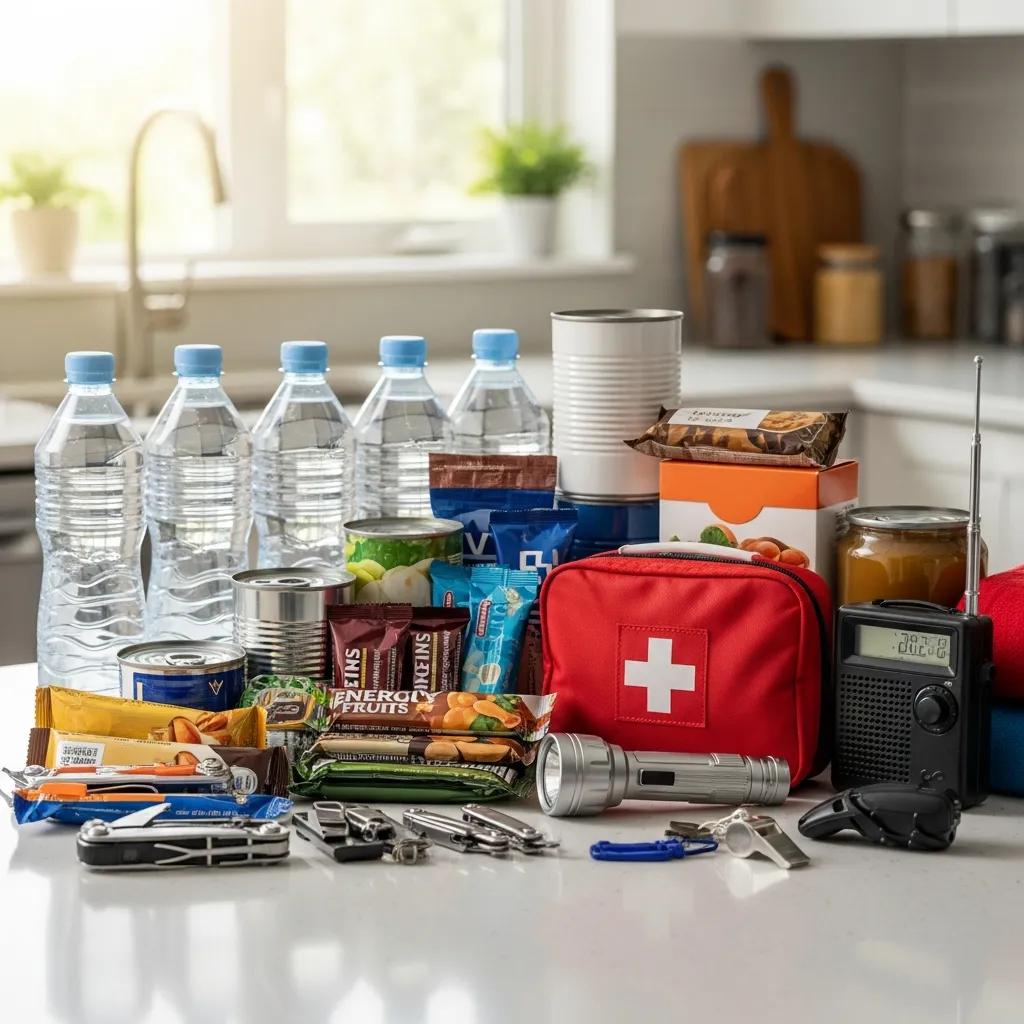
Your emergency kit is designed to cover your basic needs for at least 72 hours. Let’s gather these essentials:
- Water: A gallon per person, per day, for at least three days – it’s essential!
- Non-perishable food: Three days’ worth of canned goods, energy bars, and easy-to-prepare foods.
- First aid kit: Bandages, antiseptics, and all your important prescription medications.
- Flashlight and batteries: A reliable light source and plenty of extra batteries to keep things bright.
- Multi-tool or knife: Handy for various repairs and tasks that may arise.
Please adjust this list for any special dietary needs, infants, pets, or specialized medical supplies, so your kit truly meets your family’s unique requirements.
Middle Tennessee Neighbors: Assessing Local Risks for Your Emergency Plan
Knowing which hazards are most likely to affect our Middle Tennessee area helps us plan more effectively. Let’s examine our local history, understand our weather patterns, and consult official maps to identify the risks that matter most to your household.
Nashville and Murfreesboro Homes: Understanding Storms and Flood Hazards
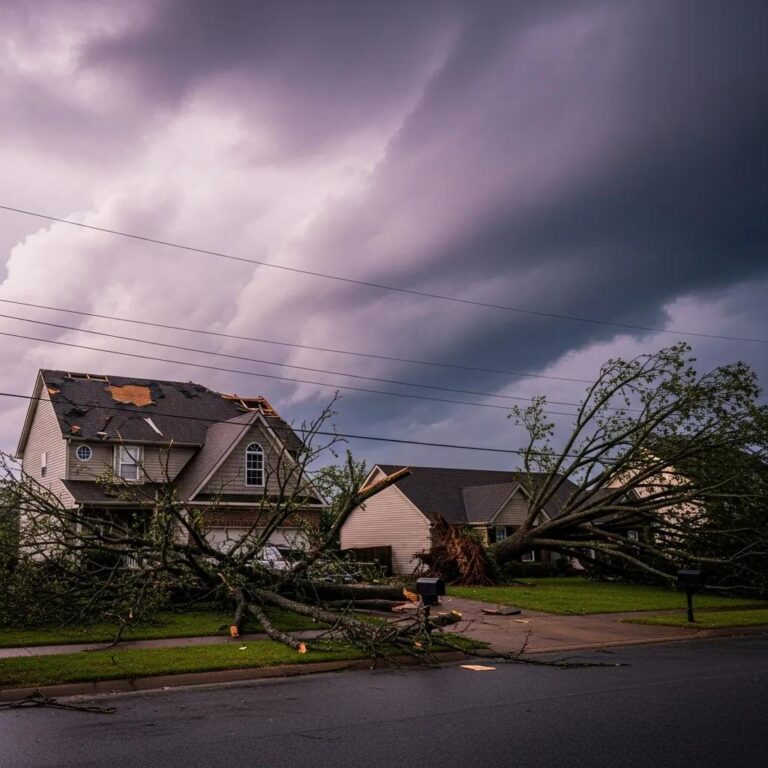
Middle Tennessee often experiences severe thunderstorms, tornadoes, and flash flooding. Areas around Nashville and Murfreesboro have, at times, seen damaging floods during heavy rainfall. Being aware of these patterns helps us secure our homes, make informed decisions about when to evacuate, and choose safe meeting points.
Looking back at historical events and regional studies offers a helpful perspective on flood risk, shaping our local preparedness planning.
Central Tennessee Flood Event Analysis & Risk Assessment
This paper uses a multi-model approach to explore the depth and reach of the extreme August 2021 flooding in Central Tennessee, offering valuable insights into how such events unfold and where risk might be highest.
Unraveling the 2021
Central Tennessee flood event using a hierarchical multi-model inundation modeling framework, S Gangrade, 2021
A Look at Flood Zones and Power Outage Risks in Middle Tennessee
Please use local government resources or FEMA flood maps to check if your property sits in a flood zone. Also, consider where power lines run and which storms tend to cause outages in our area. Keep a battery-powered radio, plenty of spare batteries, and portable chargers close by, so you can stay informed and connected if power outages occur.
Evacuation and Shelter-in-Place: Best Practices
Both evacuating and sheltering-in-place benefit from a simple, well-practiced plan. Let’s decide in advance which option fits each potential hazard and make sure everyone in your household knows the necessary steps.
Planning Your Family's Evacuation Routes and Meeting Places
Let’s map out a primary and secondary route to safety, and confirm travel times for each. Please practice these routes with your entire family, and plan for pets and any family members who might need additional assistance. Assign roles – who grabs the kit, who rounds up the pets, who checks on neighbors – so everyone’s actions are clear, even in a hurry.
Shelter-in-Place Strategies During Storms and Power Outages

If you find yourselves sheltering in place, select an interior room away from windows and stock it with water, snacks, a first aid kit, and a charged phone or battery-powered radio. Keep flashlights and extra batteries close by, and make sure everyone knows how to shut off utilities if it becomes necessary.
Your Family Emergency Plan: Special Considerations
Planning for special needs makes your response stronger and more effective. Please include pets, older adults, and family members with disabilities when you create your checklist and assign responsibilities.
Including Pets, Elderly, and Disabled Family Members in Your Plan
List medications, mobility aids, and dietary needs for anyone who requires extra care. Pack pet food and supplies, identify accessible evacuation routes and transportation options, and name a family member responsible for each person or pet during an emergency.
Your Important Documents: How to Secure and Backup with Care
Keep a waterproof container with your key documents, and consider digital backups. These essential papers include:
- Identification: Your driver’s licenses, passports, and Social Security cards.
- Medical records: Your health histories, prescription lists, and important allergy information.
- Insurance policies: Your homeowners, health, and auto insurance paperwork.
Store the originals in a waterproof, easy-to-reach place, and keep encrypted digital copies that you can access from anywhere.
Keeping Your Family Emergency Plan Fresh and Ready
Plans are most effective when everyone knows them by heart. Let’s practice drills, check our supplies, and keep our contacts updated so your plan stays useful over time.
Why Emergency Drills and Annual Reviews Are So Important
Drills reduce panic and highlight any gaps in your plan. Please conduct a drill at least once a year, and review contacts, medical needs, and meeting places annually, or after any significant life changes like moving or welcoming new family members.
Updating Your Emergency Kit with Current Recommendations
Let’s refresh your kit regularly: swap out expired food and medications, add portable phone chargers, and perhaps consider water purification tablets or filters. Check batteries and update any specialty items that cater to your changing household needs.
When an Emergency Occurs: Using Your Family Emergency Plan and Finding Local Restoration Services
When the emergency has passed, knowing your next steps speeds up recovery. Use your plan to account for everyone, document any damage, and reach out to the right local resources for assistance.
Immediate Steps After Flood or Storm Damage
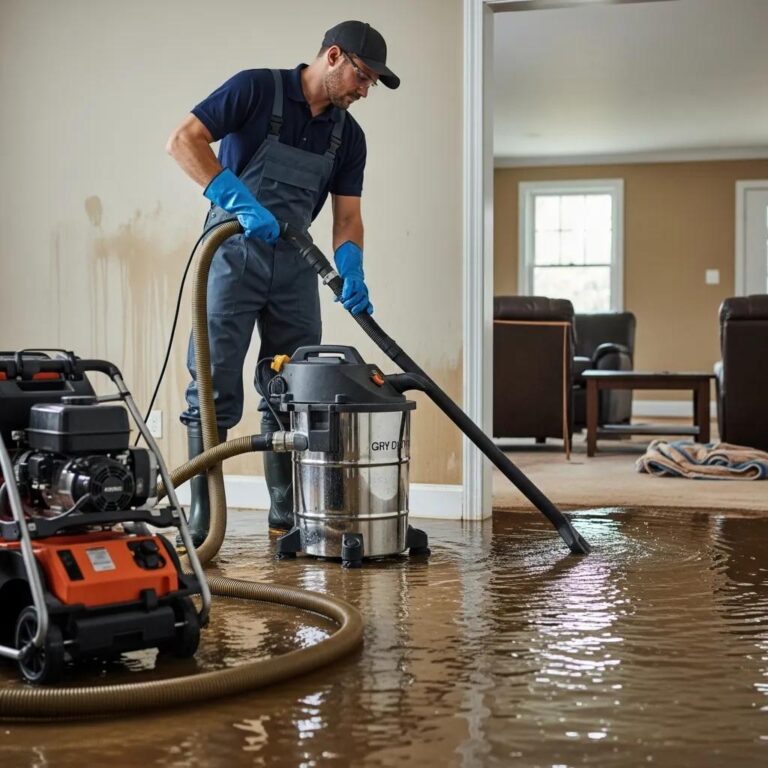
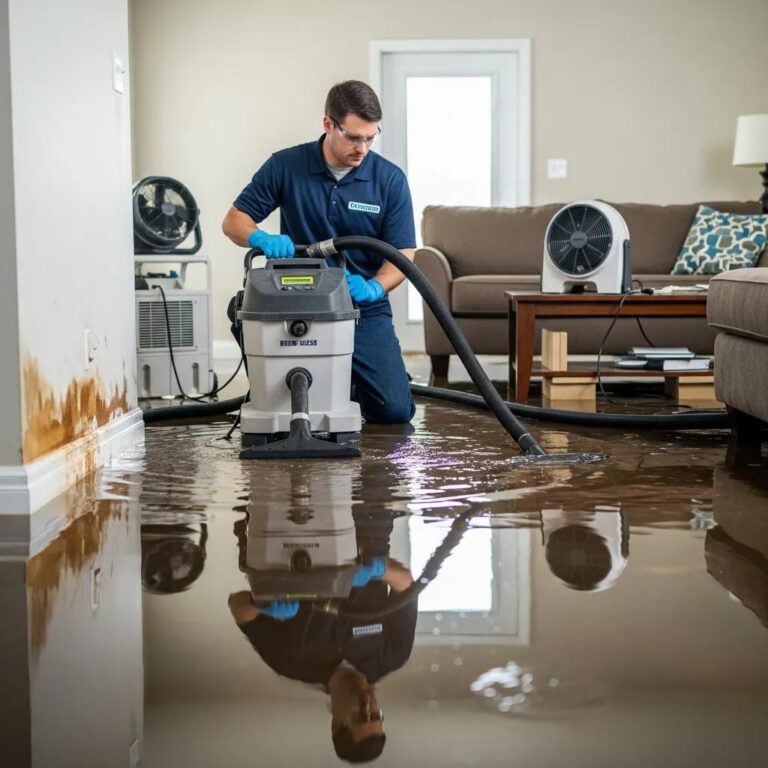
First and foremost, ensure everyone is safe and treat any injuries. Then, document damage with photos for insurance, turn off utilities if it’s safe to do so, and contact emergency services if needed. Keep a written log of calls and actions – it’s a helpful record.
How 24 Hour Flood Fighters Supports Middle Tennessee Families with Water Damage and Mold Remediation
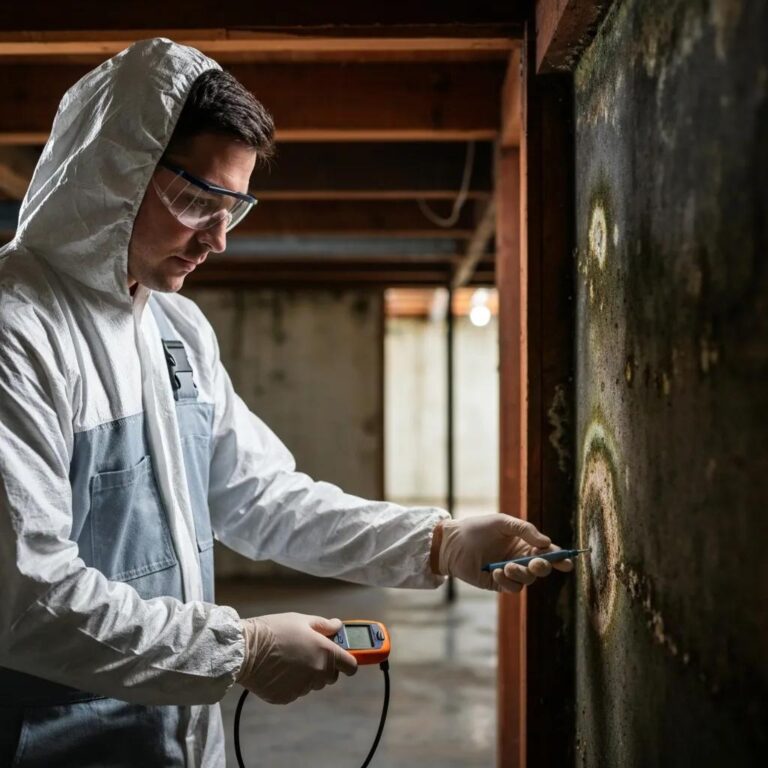
24 Hour Flood Fighters is a local, family-owned, IICRC-certified restoration company based in Rockvale, TN. We are available 24/7 to offer emergency water damage restoration, mold remediation, storm damage repair, and sewage cleanup. Our goal is to provide fast, dependable service that eases your burden – we even offer direct insurance billing and claims assistance to help Middle Tennessee families recover more quickly and with less stress.
Your Questions, Answered
What if my family gets separated during an emergency?
That’s a common concern, and we have a plan for it! Agree on a meeting place ahead of time and name a trusted out-of-area contact who can help pass information between separated family members. Ensure everyone has that contact’s number written down and practices the plan so they know exactly where to go and how to check in.
How often should we review and update our emergency plan?
It’s a good idea to review your plan at least once a year, and especially after any significant changes – like moving to a new home, welcoming new family members, or new medical needs. Regular practice and quick spot-checks of your kit keep the plan ready when you need it most.
What are some key reminders to keep in mind when creating our emergency plan?
Avoid leaving anyone out of the planning process, skipping helpful practice drills, or forgetting to update contact information. And please, don’t forget pets or important documents! The key is to involve everyone, assign roles, and review the plan on a regular schedule.
How can I ensure my emergency kit meets my family's unique needs?
Start by listing any special dietary needs, important medications, supplies for babies or pets, and any medical equipment your household uses. Add those items to your kit and check expiration dates regularly, so everything will be ready when you need it.
What resources are available for local emergency preparedness in Middle Tennessee?
You’ll find resources on local government websites, through county emergency management, such as the Nashville/Davidson County Emergency Management Agency, and FEMA for helpful hazard maps and planning guides. Our local fire departments and community organizations often provide workshops and resources tailored to our unique area.
How can I prepare for power outages during severe weather?
Keep flashlights, plenty of extra batteries, and a battery-powered or crank radio close at hand. Have portable phone chargers readily available, keep refrigerators closed as much as possible to preserve food, and perhaps consider a generator if you rely on medical equipment. And don’t forget to plan for staying warm in winter or cool in summer if outages last for a few days.
Conclusion
Creating a family emergency plan is an important step, protecting the people and things you care about most. By assessing local risks, setting up clear communication, and keeping a well-stocked emergency kit, you’ll reduce confusion and act faster, with greater peace of mind, when every second counts. Practice your plan, update it yearly, and always feel free to reach out to local resources when you need assistance. Start today—these steps now can make a significant difference later.