How Water Damage Affects Home Insurance: A Practical Guide for Homeowners on Coverage, Claims, and Prevention

Water damage can show up suddenly or creep in over months — and how your homeowners policy treats the loss determines who pays for repairs, cleanup, and temporary housing. This guide walks you through how common policies typically respond to different water events, why some losses are excluded, and how the claims process works so you can limit out-of-pocket costs and restore your home faster.
You’ll get clear answers on standard coverage, when separate flood or endorsement protection is needed, how to document and file a claim, and practical prevention steps. We also outline a typical restoration timeline and explain how professional services — including water damage restoration and mold remediation — fit into an insurance claim for Middle Tennessee homeowners.
This guide covers:
- Coverage examples
- Common exclusions and endorsements
- A step-by-step claims checklist
- Homeowners vs. flood insurance
- Prevention tips
- A local profile of 24 Hour Flood Fighters and how we help with claims and restoration
What Does Homeowners Insurance Typically Cover for Water Damage?
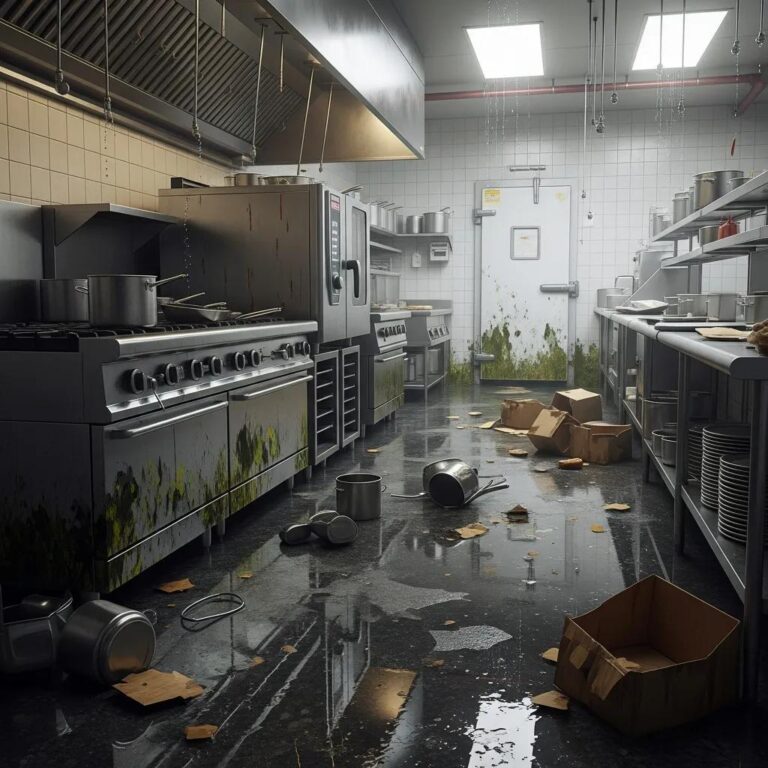
Most homeowners policies respond to water damage that’s sudden and accidental — not damage that develops slowly from neglect. If a pipe bursts or an appliance fails and water spreads quickly, the policy usually covers the dwelling, covered contents, and additional living expenses if you must temporarily relocate. Insurers focus on the cause (sudden vs. gradual), so knowing which incidents are usually covered helps you prioritize fast mitigation and good documentation. Below we list typical covered scenarios and examples to make those distinctions clear.
Keep in mind: adjusters look at what caused the water more than the presence of water itself. A sudden pipe failure is treated differently from years of unnoticed leakage. The following sections explain which incidents usually qualify and how coverage elements like dwelling protection and loss-of-use apply.
Which Types of Water Damage Are Covered by Home Insurance?
Policies generally cover sudden, accidental events — and insurers expect prompt mitigation and solid documentation.
Commonly covered examples include:
- A pressurized supply line that bursts and floods a basement
- A newly cracked water heater that releases into a garage
- An appliance hose that fails without warning
In these situations, insurers typically pay for structural drying, repair of damaged building materials, and replacement of covered personal property up to policy limits and after any deductible. Acting quickly to stop the leak and document damage improves the chances of a smooth claim and ties directly to the claims steps that follow.
Below we summarize how these examples usually map to coverage, followed by common exclusions and policy nuances.
Why Is Gradual Water Damage Usually Excluded from Coverage?
Gradual damage — like a slow roof leak, ongoing pipe corrosion, or chronic seepage — is typically excluded because insurers expect homeowners to maintain their properties. Insurance is built for sudden losses, not wear-and-tear. When adjusters find long-unrepaired stains, missing maintenance records, or a pattern of deferred repairs, they may deny or reduce a claim. Keeping dated maintenance records, repair invoices, and inspection reports can help rebut a denial by showing reasonable upkeep and prompt action when problems were discovered.
This same distinction affects mold coverage, since mold payouts often depend on whether the underlying water event was covered.
How Does Mold Damage Relate to Water Damage Insurance Coverage?
Mold remediation is typically covered only when mold growth is the direct result of a covered sudden event and the homeowner responded quickly. Mold from long-term neglect is usually excluded. Some policies put caps on mold payouts or require a separate endorsement for broader protection. Documentation — prompt drying records, mitigation invoices, and professional remediation reports — strengthens a mold claim. Fast response limits spread and reduces ambiguity about cause, increasing the chance remediation costs are treated as part of a covered loss.
With that context, common homeowner scenarios like burst pipes and appliance leaks are addressed next.
Are Burst Pipes and Appliance Leaks Covered by Home Insurance?
Burst pipes are usually covered when the failure is sudden and accidental, though the cost to replace the failed pipe itself is often excluded; coverage typically pays to restore the structure and replace covered belongings. Appliance leaks may be covered if the failure was unexpected — for example, a dishwasher hose that bursts — but claims can be denied if the appliance showed prior leaks or lacked maintenance. Immediately shut off the source, salvage valuables, photograph damage, and keep mitigation invoices to support your claim. Prompt action both limits damage and creates the evidence insurers look for.
The list below summarizes how several common damage types are typically treated by insurers.
- Burst Pipe (sudden): Typically covered for resulting damage. Structural drying and contents replacement are usually covered; replacement of the failed pipe itself is often excluded.
- Appliance Leak (sudden): Often covered if the failure was accidental. Approval depends on maintenance history and timely mitigation.
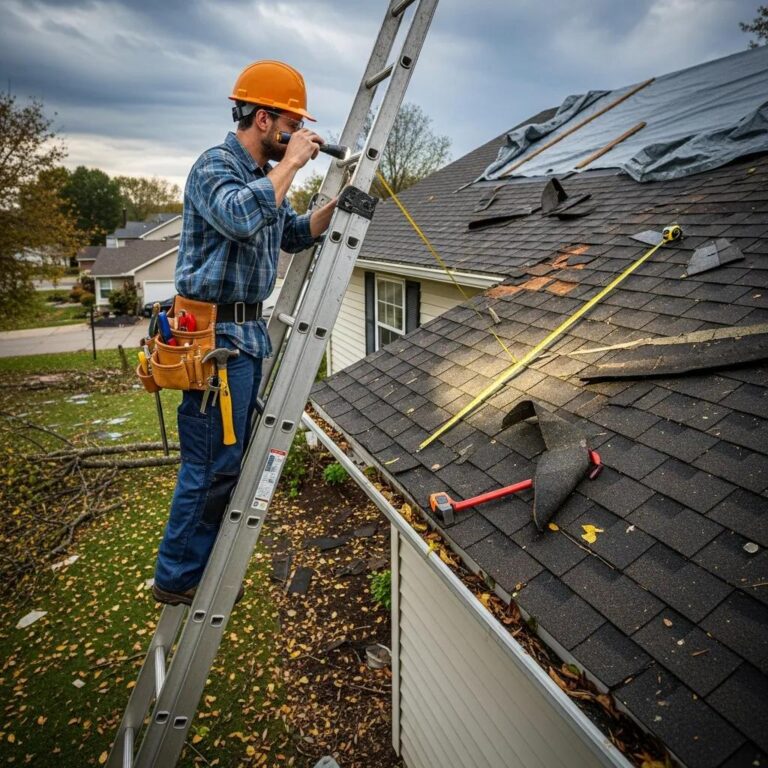
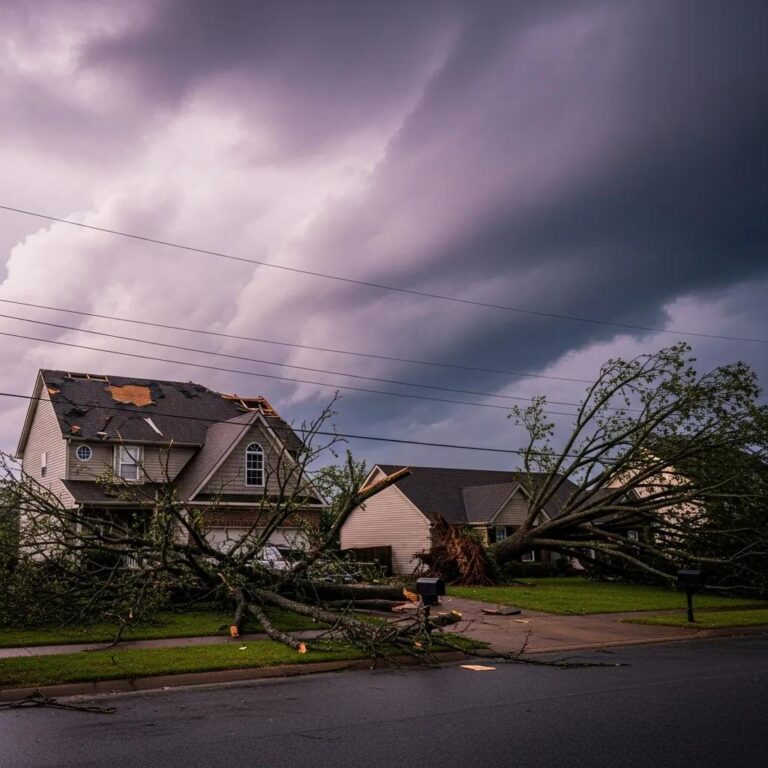
- Roof/Storm-driven Interior Leak (non-flood): Covered if storm-driven intrusion was sudden and not from rising floodwaters. Wind-driven rain that enters suddenly is usually covered; flooding remains excluded under a standard HO policy.
What Water Damage Is Not Covered by Standard Home Insurance Policies?
Standard homeowners policies commonly exclude certain water damage types or require endorsements for them because those risks are treated differently by insurers. Frequent exclusions include flood damage, gradual deterioration, and sewer backup unless you buy a specific rider. Knowing what’s excluded helps you decide whether to add endorsements, buy separate flood insurance, or invest in preventive measures. The sections below explain common flood exclusions, sewer-backup endorsements, and how homeowner actions influence claim outcomes.
Understanding these categories makes it clear why separate flood products and endorsements exist and how they interact with your HO policy.
Why Is Flood Damage Excluded and What Are Flood Insurance Requirements?
Flood damage is typically excluded from standard homeowners policies because floods are large-scale, high-severity events that need specialized underwriting and community risk-pooling. To cover flood you usually need a separate policy through the National Flood Insurance Program (NFIP) or a private flood insurer. Flood policies have different waiting periods, limits, and claims processes than HO policies, so review FEMA flood maps, local waterway behavior, and any lender requirements when deciding what to buy. Compare NFIP and private options to determine which gives you the protection you need.
Sewer backup is another common exclusion — consider endorsements and mitigation like sump pumps and backflow valves when appropriate.
Is Sewer Backup Covered and When Is an Endorsement Needed?
Sewer backup and sump pump failure are often excluded from base policies but can be added with a sewer-backup endorsement or rider that provides specified cleanup and repair limits. Endorsements may carry separate deductibles or sublimits, so review costs and limits with your agent. Installing backflow preventers or keeping a working sump pump can reduce risk and sometimes lower endorsement premiums. Keep maintenance records for these systems — they help if a claim arises and insurers want proof you took reasonable steps to prevent recurrence.
That brings us to how insurers view homeowner negligence and its effect on claims.
How Does Homeowner Negligence Affect Water Damage Claims?
Insurers view negligence as a failure to take reasonable care to prevent loss. Claims tied to neglected maintenance — an unrepaired roof or corroded pipes left unattended — are commonly denied or paid at a reduced amount. Routine maintenance records, inspection schedules, and recent repair invoices can rebut negligence claims. Timely mitigation after discovering a problem also lowers the chance of denial. Clear, dated records and mitigation receipts play a big role in how adjusters decide whether a loss is covered.
Standard water damage exclusions homeowners commonly face include:
- Flood damage: Buy NFIP or private flood insurance if you’re at risk.
- Sewer backup: Consider a sewer-backup endorsement or install protective devices.
- Gradual/maintenance issues: Keep systems maintained and save repair records.
How Does the Water Damage Insurance Claims Process Work?

Filing a water damage claim usually follows a clear sequence: stop or limit the source, document the damage, contact your insurer to open a claim, work with adjusters and restoration pros, and then settle based on estimates and receipts. Fast, organized coordination between you, the insurer, the adjuster, and the restoration team speeds drying, remediation, and payment — and good documentation supports the repair scope and costs. The sections below break these steps into practical tasks and explain who does what during each phase.
The short checklist that follows shows immediate homeowner actions, and the list after that maps responsibilities so you know what to expect at each stage.
If you act quickly to mitigate and document, you preserve evidence for the adjuster and make it easier to get approval for necessary repairs.
- Stop the source: Shut off water and power if it’s safe to do so.
- Document damage: Photograph rooms, affected items, and the point of origin.
- Mitigate harm: Move valuables, use pumps or fans if safe, and call emergency mitigation.
- Contact insurer: Report the loss promptly and share initial photos and notes.
- Keep receipts: Save invoices for mitigation, temporary housing, and emergency repairs.
This checklist outlines who usually handles each step and what homeowners should expect from professionals and insurers.
The list below matches claim phases with typical actors and homeowner responsibilities so the process feels less confusing.
- Initial Mitigation: Homeowner & restoration company — stop the source, document, and hire emergency drying services.
- Claim Filing: Homeowner — contact the insurer, submit photos and an inventory.
- Adjuster Inspection: Insurance adjuster — review damage, estimates, and scope.
- Remediation & Repair: Restoration contractor — dry the structure, remediate mold, repair, and provide invoices.
- Settlement & Payout: Insurer — review documentation and finalize payment per policy.
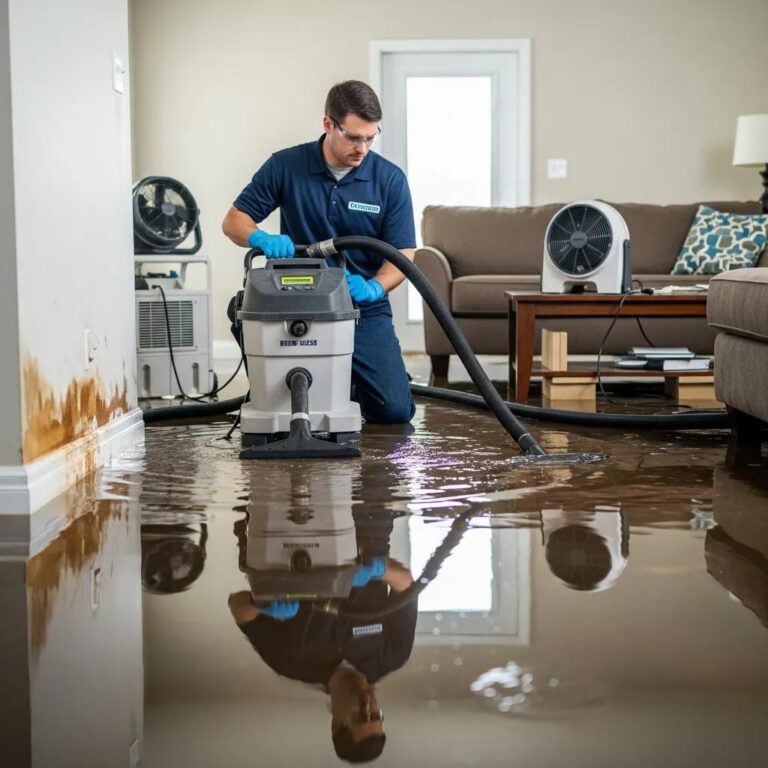
Professional restoration companies can shoulder much of the work and speed claim resolution. 24 Hour Flood Fighters helps with emergency extraction, structural drying, and mold remediation while producing the documentation insurers expect — moisture maps, mitigation invoices, and scope reports. We coordinate with adjusters, explain the technical need for repairs, and reduce the back-and-forth that can delay payouts. For homeowners in Nashville, Murfreesboro, and Middle Tennessee, that coordination shortens time away from home and supports fair settlements.
Next, we cover what happens at the adjuster visit and how deductibles affect what you pay.
What Are the First Steps After Water Damage Occurs?
Start with safety and preventing more damage. If it’s safe, shut off the main water and cut power to flooded areas. Move dry items to a safe place and take plenty of photos. Call a 24/7 emergency mitigation team for extraction and drying — their work preserves structure and evidence and generates invoices and moisture readings you’ll need for a claim. Fast mitigation also reduces mold risk and helps establish a covered cause to your insurer, which makes the claim process smoother.
Those actions naturally lead into filing a claim and gathering required documents.
How Do You File a Water Damage Insurance Claim?
To file a claim, contact your insurer’s claims department with your policy number, incident details, and initial photos or videos. Put together an inventory of damaged items, keep records of steps you took, and save all mitigation and repair invoices and estimates. Include serial numbers and purchase receipts when possible. Keep copies of every communication with adjusters and contractors and ask for written confirmation of coverage decisions. Organized documentation reduces delays and improves the chance mitigation costs and repairs are covered.
Strong documentation also prepares you for the adjuster’s inspection and any supplemental claims later on.
What Should You Expect When Working with Insurance Adjusters?
Adjusters inspect damage, determine cause, and estimate repair costs using industry standards. They’ll review mitigation invoices and compare contractor bids to their scope. Provide mitigation documentation, allow access to concealed areas if needed, and share contractor estimates to support a full scope. If you disagree with an adjuster’s findings, submit supplemental evidence — moisture maps, third-party reports, or detailed invoices — to justify additional work. Restoration companies that follow IICRC standards often produce the technical reports that help align contractor and insurer scopes.
That leads into how deductibles and valuation methods shape your financial responsibility.
How Do Deductibles and Payouts Affect Your Water Damage Claim?
Your deductible is the amount you pay before insurance covers the rest; lower deductibles mean less out-of-pocket at claim time but usually higher premiums. Whether personal property is paid at replacement cost or actual cash value affects reimbursement amounts. Payout timing depends on the insurer and claim complexity — complete documentation, mitigation invoices, and contractor estimates help speed payment. Ask whether mitigation services are paid directly to contractors or reimbursed, and confirm whether temporary housing qualifies under your loss-of-use coverage. Knowing how deductibles and valuation work helps you plan financially during repairs.
With claims mechanics clear, the next section compares homeowners insurance with flood insurance.
What Is the Difference Between Homeowners Insurance and Flood Insurance?
Homeowners insurance covers sudden perils like fire, wind, and some water incidents (burst pipes, appliance overflows). Flood insurance covers rising water, surface flooding, and storm surge — events usually excluded from HO policies. Flood coverage (NFIP or private) has different underwriting, waiting periods, and limits and normally requires a separate purchase. Choosing between NFIP and private options depends on local flood risk, coverage needs, and private-market availability. Understanding the differences helps Middle Tennessee homeowners decide whether to add flood protection to their overall plan.
- Homeowners Insurance: Typically covers sudden water events (burst pipes, appliance overflows). Key consideration: floods are usually excluded; dwelling and personal property coverage follow policy terms.
- Flood Insurance (NFIP/private): Covers surface flooding, rising waters, and storm surge. Key consideration: separate purchase required; waiting periods and limits differ from HO policies.
What Does the National Flood Insurance Program Cover?
The NFIP provides dwelling and contents coverage for flood events in participating communities, with specific limits and exclusions and typically a 30-day waiting period before a new policy takes effect. NFIP claims follow a different proof-of-loss process and limits on replacement-cost coverage vary, so review NFIP details to understand potential out-of-pocket exposure. For many homeowners in moderate- to high-risk zones, NFIP is a baseline option; private flood policies can supplement limits or offer different terms where available.
How Do Private Flood Insurance Options Compare?
Private flood carriers may offer higher limits, faster underwriting, and different pricing compared to NFIP, but terms and claims service vary by insurer. Private policies can be competitive for lower-risk homes or when NFIP limits aren’t enough. Get quotes, compare waiting periods and exclusions, and check provider reputation. Consider mitigation measures that can reduce premiums. Private options give homeowners flexibility to match coverage to budget and risk tolerance.
What Are the Local Flood Risks in Middle Tennessee?
Middle Tennessee faces flash floods, creek overflow during storms, and basement seepage in older neighborhoods. Urban runoff and steep catchments can cause sudden inundation. Use FEMA maps, local flood history, and professional inspection to evaluate exposure. Homes near rivers or in mapped floodplains often need separate flood policies and stronger prevention measures like elevation, grading, or floodproofing. Local knowledge and mapping help you decide whether NFIP or private coverage is right for your property.
Next we cover prevention and detection steps that protect both property and insurability.
How Can Homeowners Prevent Water Damage to Protect Their Insurance Coverage?
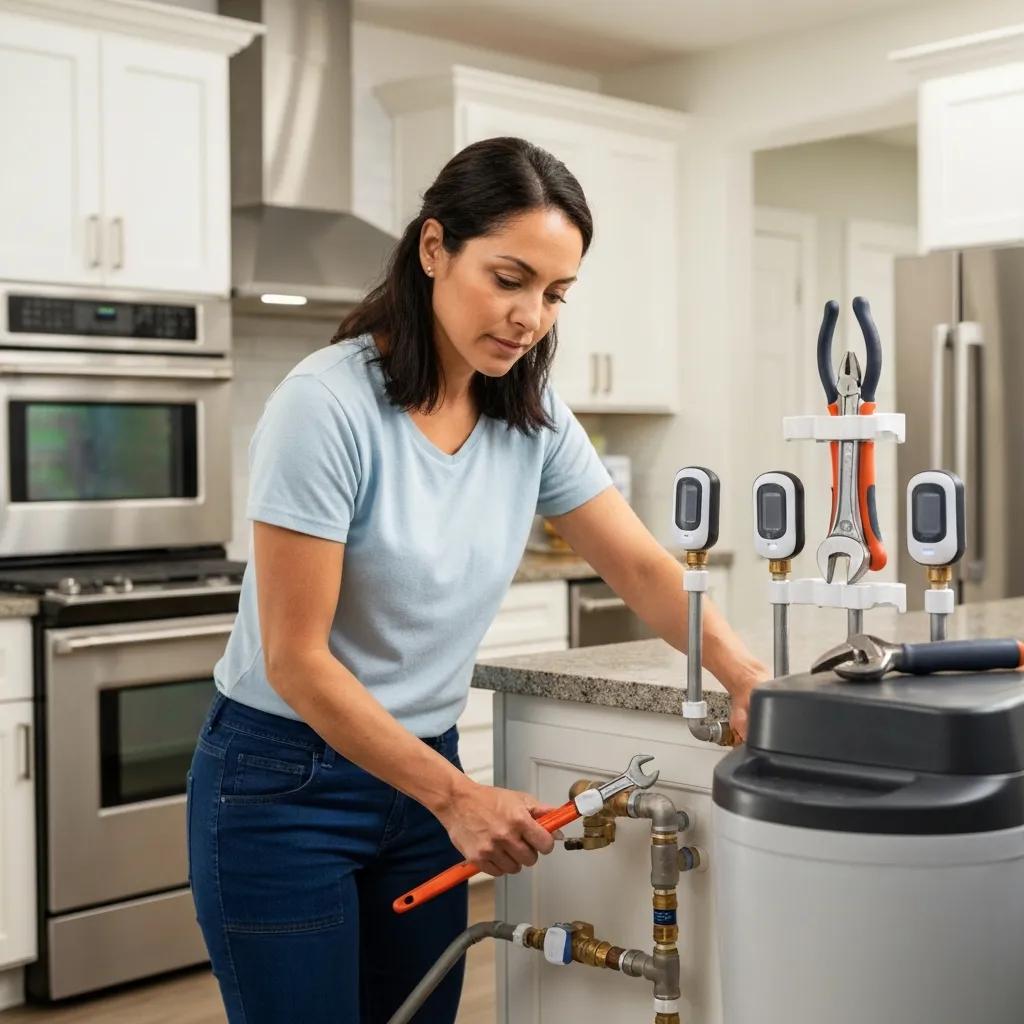
Proactive maintenance and early detection cut the odds of a costly water claim and help preserve your insurance standing. Regular inspections, water-sensing devices, and timely professional checks give you tangible proof of care that insurers appreciate. Preventive steps reduce gradual deterioration and backups, and documented mitigation can influence claim decisions when problems occur. The subsections below list practical maintenance schedules, device recommendations, and when to call a pro.
These preventive habits also connect directly to professional remediation services when issues are found.
What Regular Maintenance Checks Reduce Water Damage Risks?
Routine tasks greatly lower water-loss risk and show insurers you’re taking care of the home. Suggested checks include:
- Clearing gutters and downspouts in spring and fall
- Having the roof inspected after winter storms
- Visually checking visible plumbing quarterly for drips or corrosion
- Servicing water heaters and HVAC condensate lines as recommended
Keep dated receipts and notes from inspections to document ongoing care — that paperwork helps rebut negligence claims and reduces the chance of excluded gradual damage.
These maintenance routines pair well with smart devices for early leak detection.
How Do Smart Home Devices Help Detect Water Leaks Early?
Water sensors, automatic shutoff valves, and integrated home-monitoring systems provide early alerts and time-stamped evidence of when a leak began. Place sensors near water heaters, under sinks, behind appliances, and in basements — common starting points for leaks. Automatic shutoffs can isolate supply lines when a significant leak is detected. Smartphone alerts let you act immediately or dispatch help, reducing claim severity and making it easier to prove prompt mitigation. Early detection lowers mold risk and supports remediation claims.
When you find an issue or after storm damage, a professional inspection is often a smart next step to check for hidden problems.
When Should You Schedule Professional Water Damage Inspections?
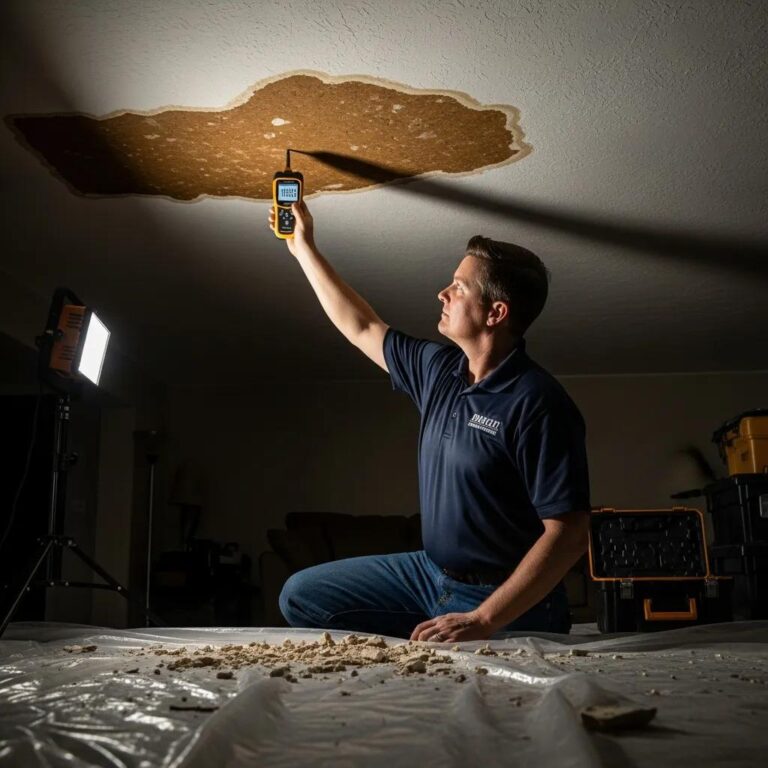
Book a professional inspection after major storms, when unexplained moisture appears, before selling a home, or if the property has a history of leaks or mold. Pros use moisture meters, thermal imaging, and visual inspection to find concealed intrusion that DIY checks miss. Their reports provide authoritative documentation for insurers and contractors. For Middle Tennessee homeowners dealing with variable weather, periodic professional reviews complement routine maintenance and give you a solid record if problems surface. If inspections reveal active or historical intrusion, remediation and mold work should follow to protect health and structure.
Professional involvement leads naturally to choosing the right emergency response and claims partner.
Why Choose 24 Hour Flood Fighters for Water Damage Restoration and Insurance Claims Assistance?
Our services support homeowners and businesses in Murfreesboro, Nashville, and surrounding Middle Tennessee. We offer water damage restoration and mold remediation that align with the insurance claims process. Our team provides 24/7 response, IICRC-certified technicians, and hands-on claims experience to guide you through mitigation, documentation, and repair. Those capabilities reduce downtime, limit secondary damage like mold, and produce the documentation insurers expect to justify repairs. For homeowners who want coordinated support with insurers and reliable technical restoration, our services speed recovery and clarify claims outcomes.
Below we explain how our services work in practice and what benefits they bring to your claim and peace of mind.
How Does 24 Hour Flood Fighters Provide 24/7 Emergency Water Damage Response?
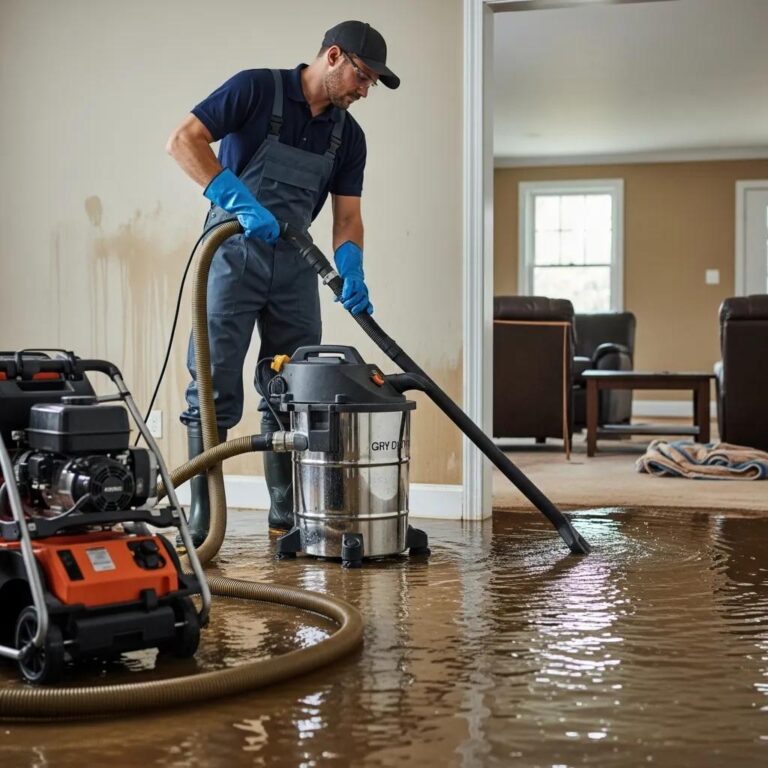
We run an emergency dispatch system to answer calls any hour and start mitigation right away — water extraction, structural drying, tarping, or boarding when needed. Fast response limits moisture penetration, reduces mold risk, and produces mitigation invoices and moisture documentation insurers expect. Expect an on-site assessment, a prioritized mitigation plan, and a documented scope of work that aligns with adjuster requirements. Quick action shortens restoration time and helps maintain the insurability of affected structures.
Rapid mitigation pairs with certified technician practices to improve restoration quality and claim defensibility.
What Benefits Do IICRC Certified Technicians Offer for Restoration?
Our IICRC-certified technicians follow industry standards for drying, decontamination, and mold remediation, using documented procedures, moisture mapping, and validated drying goals. That technical rigor produces credible reports for insurers and contractors and helps align scopes, reducing disputes and speeding settlements. Using certified technicians supports better restoration outcomes and stronger insurance documentation.
Certification and clear technical reporting feed directly into our claims-support services.
How Does 24 Hour Flood Fighters Simplify the Insurance Claims Process?
We streamline claims by preparing complete documentation packages — mitigation invoices, moisture maps, photos, and a recommended scope — that adjusters can use to approve repairs. By coordinating with adjusters and explaining the technical need for each remediation step, we cut administrative friction and help homeowners get approvals faster. We also advise on evidence collection and submit supplements when scope grows after initial inspection. That coordination reduces homeowner stress, speeds repairs, and supports full recovery of legitimate loss amounts under policy terms.
Our local presence and adjuster relationships strengthen this coordination in Middle Tennessee.
What Local Expertise Does 24 Hour Flood Fighters Bring to Middle Tennessee Homeowners?
As a local, family-owned provider, we know Middle Tennessee weather patterns, common flood and seepage scenarios in Nashville and Murfreesboro, and regional insurer practices. That local insight helps us recommend targeted mitigation steps, interpret flood maps and adjuster tendencies, and produce accurate estimates and faster repair decisions. Familiarity with area construction and common vulnerabilities builds homeowner trust and ensures restoration choices match regional realities.
With our services described, here are concise answers to the questions homeowners ask most often.
What Are the Most Common Questions About Water Damage and Home Insurance?
This FAQ-style section gives direct, actionable answers and clear next steps. Each item offers a straight answer, a brief nuance, and a recommended action so you can decide quickly. Where “who to call” is relevant, 24 Hour Flood Fighters’ 24/7 restoration and mold remediation support is listed as an available option for emergency mitigation and documentation help.
Does Homeowners Insurance Cover Water Damage from Burst Pipes?
Generally yes — homeowners insurance typically covers water damage from a sudden, accidental burst pipe, paying for structural drying, repairs, and replacement of covered items (subject to limits and your deductible). The cost to fix the broken pipe itself is often excluded. Document the scene, shut off water, photograph damage, and save mitigation invoices to support your claim. If you need immediate help, contact us — we offer 24/7 restoration and mold remediation to begin mitigation and create insurer-ready documentation.
This gives you both coverage context and the first practical steps.
Is Mold Damage Covered by Home Insurance Policies?
Mold remediation is sometimes covered when mold grows because of a covered sudden event and you mitigated promptly. Mold from long-term neglect is usually excluded. Quick professional remediation and documentation of the covered cause increase the chance insurers will accept the claim. If you find mold, call a qualified mold remediation team to control spread and produce the records insurers expect.
In short: cause and prompt action matter most.
What Types of Water Damage Are Not Covered by Standard Insurance?
Common exclusions include:
- Flood Damage: Requires separate flood insurance (NFIP or private).
- Gradual/maintenance-related Damage: Excluded because policies cover sudden loss, not deterioration.
- Sewer Backup: Usually excluded unless you add a specific endorsement.
These items show where additional coverage or endorsements may be needed to avoid gaps.
How Can I File a Water Damage Claim Successfully?
Follow a consistent process: document damage thoroughly, mitigate quickly and save receipts, report the loss to your insurer, provide an itemized inventory and receipts, and keep written records of all communication. Working with a restoration company experienced in insurance documentation helps ensure invoices and scopes match what insurers expect. Keep copies of estimates, communication logs, and photos to support settlement. Professional restoration and mold remediation services are available 24/7 to help with mitigation, documentation, and insurer coordination when needed.
This procedure emphasizes documentation and professional support to improve claim results.
Do I Need Separate Flood Insurance for My Home?
If you’re at risk, yes — flood is typically excluded from homeowners policies, so get separate flood insurance from the NFIP or a private carrier when flood exposure exists because of location or lender requirements. Check FEMA flood maps, local history, and lender rules. Consider private flood options if NFIP limits are insufficient or you want alternate terms. When unsure, get professional mapping and underwriting advice to choose the right protection for your property.
These targeted answers point homeowners toward the next practical step.
Frequently Asked Questions
What Should I Do Immediately After Experiencing Water Damage?
Put safety first. If it’s safe, shut off the main water and cut power to flooded areas. Photograph damage, move undamaged items to a dry spot, and call a professional restoration service for extraction and drying — fast mitigation prevents mold and preserves evidence for your claim. Quick action protects your home and strengthens your case with the insurer.
How Can I Prove My Water Damage Claim to Insurers?
Keep thorough documentation: photos, videos, receipts for emergency repairs or mitigation, and a dated inventory of damaged items with values and purchase dates. A professional restoration company can provide moisture maps and mitigation invoices that insurers expect. Organized, time-stamped records are the best way to substantiate your claim.
What Are the Long-Term Effects of Water Damage on My Home?
Left untreated, water damage can weaken structure, invite mold growth, and harm indoor air quality. Water can degrade building materials and lead to costly repairs and safety issues. Mold can begin within 24–48 hours after exposure, so prompt drying and remediation are essential. Regular inspections and maintenance help spot lingering problems early and protect your home’s value and safety.
How Can I Reduce the Risk of Water Damage in My Home?
Adopt a proactive maintenance routine: inspect your roof, gutters, and plumbing regularly; install water sensors and automatic shutoff valves; ensure proper grading and drainage; and use a sump pump in flood-prone basements. Keep maintenance records to show insurers you take care of the home — that can help if a claim arises.
What Should I Know About Water Damage Restoration Services?
Restoration pros assess damage, remove water, dry affected areas, and remediate mold when needed. They follow industry standards to ensure complete restoration and provide documentation that supports insurance claims. Choosing a certified, experienced company shortens recovery time and reduces long-term costs and risks.
Are There Specific Insurance Endorsements I Should Consider?
Yes. Common endorsements include sewer-backup coverage and optional mold riders, and separate flood insurance is required for flood risk. Talk with your agent to review gaps in your policy and add endorsements that match your risk profile. Proper coverage gives you financial protection when standard policies don’t apply.
Conclusion
Understanding how water damage affects homeowners insurance is essential for managing risk and protecting your finances. By knowing what’s typically covered, how the claims process works, and which prevention steps make a difference, you can limit disruption and get your home back to normal faster. Take proactive steps now to review your coverage and consider enhancements like flood insurance or sewer-backup endorsements. For expert help and reliable restoration services, reach out to 24 Hour Flood Fighters — we’ll help you navigate the claims process and restore your home with confidence.