We know how stressful dealing with mold can be, and finding reliable solutions is crucial for your peace of mind and property health.
Mold Remediation and Black Mold Removal Guide: Expert Solutions and Cost Insights for Nashville & Murfreesboro
Mold remediation is the professional process of identifying, containing, and reducing indoor mold to safe levels while addressing the moisture sources that allow growth to return. This guide explains how remediation and black mold removal work, the health risks tied to toxic molds, inspection methods, cost drivers specific to Nashville and Murfreesboro, and practical prevention steps homeowners and businesses can leverage after remediation. Readers will learn the step-by-step professional workflow from inspection to post-remediation verification, clear symptom checklists that signal urgent intervention, and how inspection findings shape repair and restoration scopes. The article maps inspection techniques, cost-influencing factors, and prevention measures including attic and crawl space strategies so property owners can make informed decisions. Throughout, target terms like mold remediation, black mold removal, mold inspection, and mold testing are used to help you find the right solutions and understand when it’s time to call in the experts.
What Is Mold Remediation and How Does the Process Work?
Mold remediation is a structured, safety-focused program designed to stop active mold growth, remove contaminated materials when it’s necessary, and prevent recurrence by fixing moisture sources. The process works by first diagnosing the extent of contamination, then isolating affected areas, reducing airborne spores with HEPA filtration and negative pressure, removing or cleaning contaminated materials, and finally drying and repairing the environment so mold won’t return. Remediation achieves a practical goal: reduce health risks and structural damage rather than guaranteeing zero spores, which is neither feasible nor required by most standards. Understanding this workflow helps you distinguish between quick DIY cleaning and a verified remediation that prioritizes occupant safety and insurance documentation. Below is a concise process overview that mirrors industry practice and supports featured-snippet clarity.
- Conduct a thorough inspection and define the remediation scope.
- Establish containment and negative pressure to control spores.
- Remove or clean mold-affected materials and apply HEPA air filtration.
- Dry and dehumidify the structure to eliminate moisture drivers.
- Perform cleaning, sanitizing, and post-remediation verification testing.
This stepwise approach clarifies why professional protocols matter and sets up the next discussion about the specific techniques used during remediation.
What Are the Key Steps in Professional Mold Remediation?
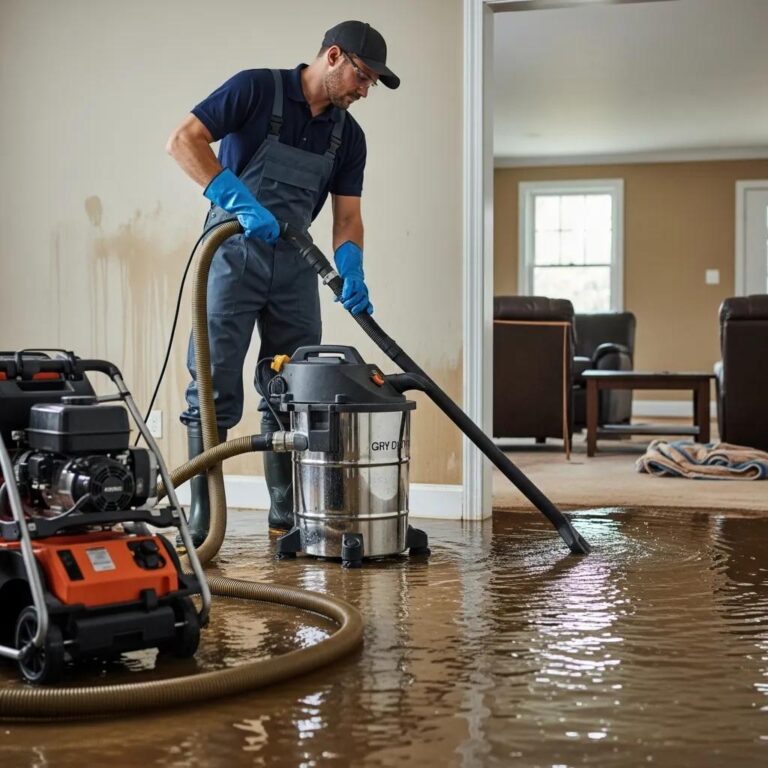
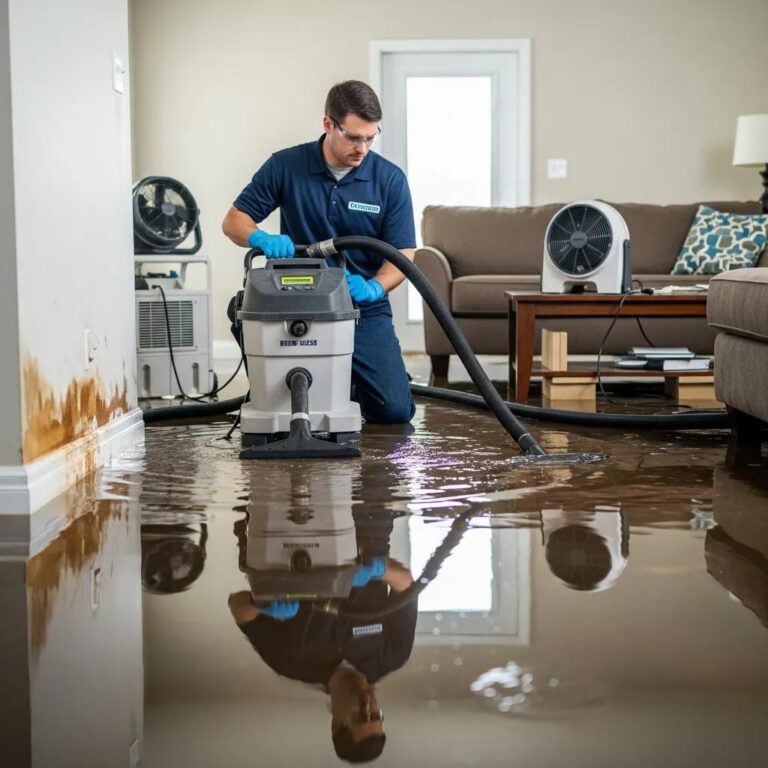
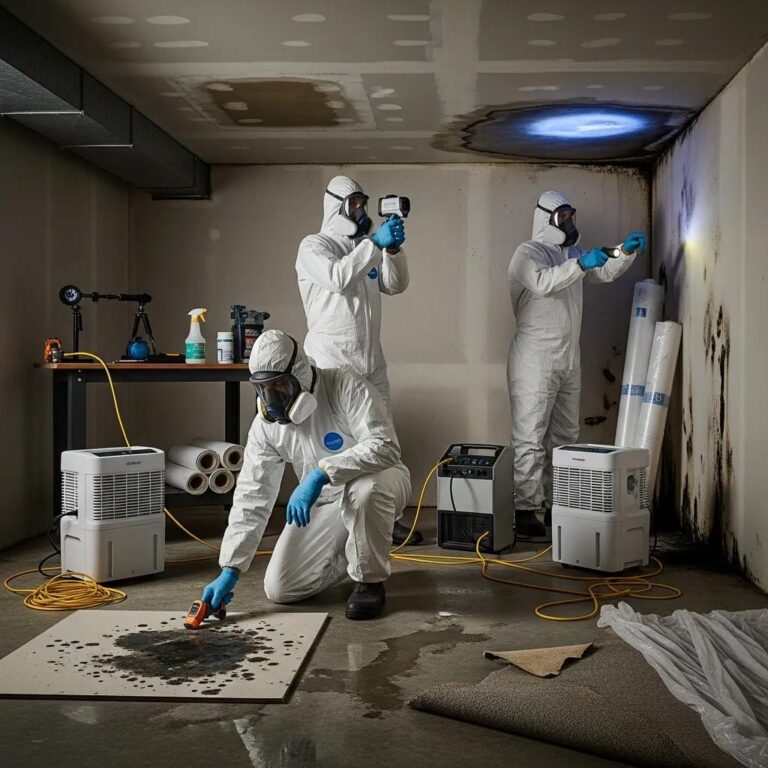
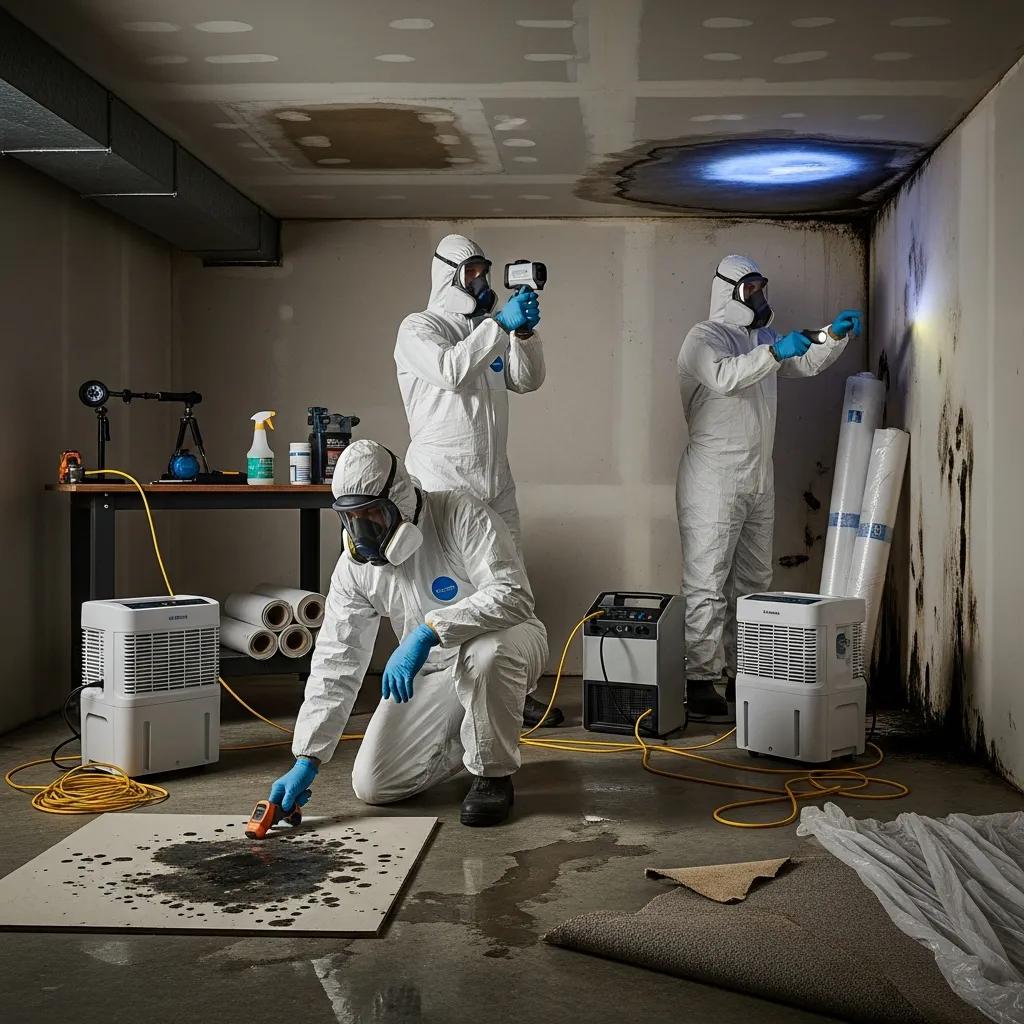
Professional mold remediation begins with a detailed assessment that identifies affected areas, materials, and moisture sources using visual inspection, moisture meters, and sometimes infrared imaging. Our technicians then install containment—physical barriers and negative pressure with HEPA-filtered air movers—to prevent spore migration during cleanup, protecting unaffected areas and occupants. The removal phase targets porous materials like drywall and insulation that cannot be reliably cleaned; non-porous surfaces are cleaned and sanitized using EPA-recognized protocols, where applicable, to ensure thoroughness. After material removal or cleaning, advanced drying equipment and dehumidifiers restore acceptable moisture levels and our technicians perform clearance testing or post-remediation verification to confirm the remediation’s success. An example scenario is attic mold after a roof leak: assessment identifies the leak path and insulation damage, containment prevents attic spores entering living spaces, affected insulation is removed, the roof is repaired, and the attic is dried and retested. To learn more about the process, visit our mold remediation page.
How Does Mold Remediation Differ from Mold Removal?
Mold remediation and mold removal are related but distinct concepts: remediation is a safety-driven, system-level approach that reduces contamination to acceptable levels and fixes moisture issues, while removal often implies trying to eliminate all visible mold without addressing root causes. Remediation emphasizes containment, air cleaning, and verification testing to ensure your safety and compliance with restoration standards, whereas simple removal efforts—especially DIY—can spread spores, leave hidden reservoirs, and fail to prevent recurrence. We recommend choosing remediation over removal when contamination is extensive, when structural materials are affected, or when occupants include vulnerable individuals who need verified clearance – here’s why this matters to you. In practical terms, remediation may include demolition and controlled disposal of materials, followed by reconstruction, while removal may consist of surface cleaning that risks incomplete remediation and future liability concerns.
What Are the Health Risks and Symptoms of Toxic Black Mold Exposure?

Exposure to toxic black mold, commonly associated with Stachybotrys chartarum species, can exacerbate respiratory conditions and produce symptoms ranging from mild irritation to persistent respiratory distress depending on exposure level and individual susceptibility. Mycotoxins produced by some molds may irritate mucous membranes, provoke allergic reactions, and worsen asthma or chronic respiratory disease in children, the elderly, and immunocompromised people. Early recognition of symptoms and timely remediation can significantly reduce long-term health impacts and limit property exposure for you and your family.
The following bulleted list highlights common symptoms and helps you decide when to escalate to professional testing and remediation.
Which symptoms we recommend you watch for:
- Persistent Coughing or Wheezing: New or worsening respiratory symptoms while occupying the affected building.
- Nasal Congestion and Sinus Irritation: Chronic runny nose, sneezing, or sinus pressure tied to time spent indoors.
- Headaches and Fatigue: Recurring headaches, unusual tiredness, or difficulty concentrating that improve when away from the building.
- Skin or Eye Irritation: Rashes, itchy eyes, or skin irritation appearing with indoor exposure.
Recognizing these symptoms and linking them to time spent in a place with visible mold or dampness guides your decision to seek professional mold remediation and possible medical advice; the next section explains inspection methods that verify whether mold is present and whether toxins are a concern.
Which Toxic Mold Symptoms Should Homeowners and Businesses Watch For?
Homeowners and business operators you’ll want to watch for symptoms that are persistent, worsen while occupants are indoors, or appear in multiple people simultaneously, as these patterns strongly suggest an environmental trigger. Symptoms such as chronic coughing, worsening asthma, repeated sinus infections, unexplained fatigue, and migraine-like headaches are common indicators that indoor air quality may be compromised. Vulnerable groups—children, older adults, pregnant people, and those with weakened immune minds—may show more severe reactions and require expedited assessment. If symptoms correlate with visible water damage, musty odors, or recurring condensation, we recommend you document health patterns and pursue professional inspection and remediation promptly to protect your occupants and support possible insurance claims.
Why Is Professional Black Mold Removal Crucial for Safety?
Professional black mold removal reduces the risk of spore dispersal, ensures safe containment for your property, and applies proper personal protective equipment and disposal methods that DIY approaches often lack. Professionals use containment, negative pressure, and HEPA filtration to capture airborne spores during cleanup, and we follow standardized protocols for waste handling and surface cleaning that minimize re-exposure. Additionally, contractors can perform post-remediation verification testing to confirm that airborne spore counts and surface samples have returned to acceptable baselines, providing reassurance and documentation for you and your insurers. Because improper removal can increase contamination and health risks, engaging certified professionals keeps you safer, shortens restoration timelines, and helps you meet insurer documentation requirements.
How Is Mold Inspection Conducted and Why Is It Essential?
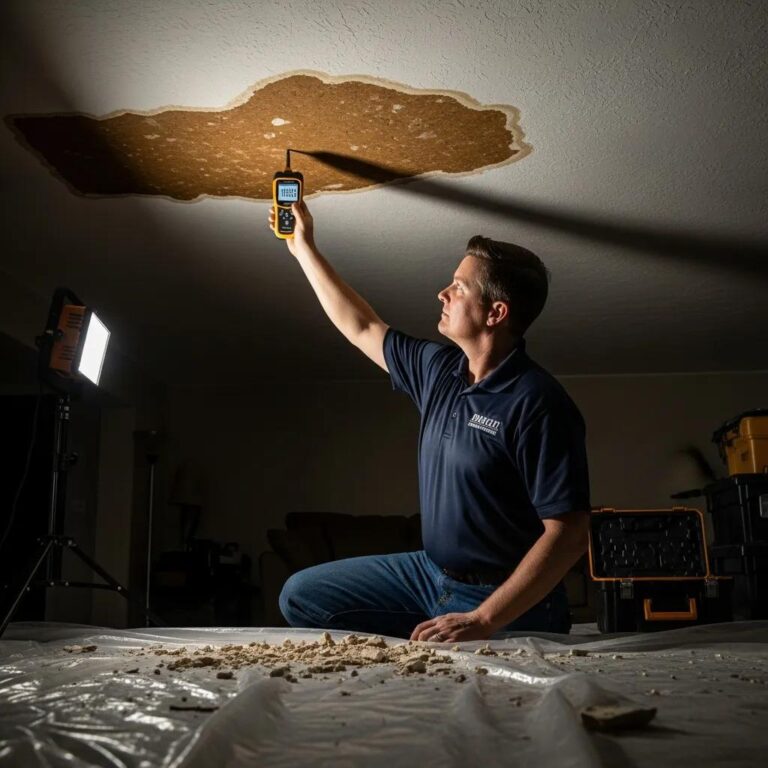
Mold inspection is an evidence-based assessment that identifies visible mold, moisture sources, and areas where hidden growth may exist; it informs a tailored remediation plan and helps prevent unnecessary or incomplete treatments for your home. Inspections typically combine visual examination, moisture mapping with meters, and targeted testing as needed; results help us determine whether containment, removal, repairs, or only maintenance actions are needed. Accurate inspection reduces guesswork, narrows remediation scope, and supports insurance documentation through photographs, measurements, and testing summaries. Below is a concise list summarizing common inspection methods, what they detect, and when they are typically used to guide your decisions.
- Visual Inspection: Detects visible mold, staining, and water damage. Typically used for initial assessment and scope definition.
- Moisture Meters: Detects elevated moisture in materials. Useful for locating wet framing, insulation, and flooring.
- Air Sampling: Detects airborne spore concentrations. Used for assessing indoor air quality when occupants are symptomatic.
- Surface Sampling: Confirms the presence and type of mold on specific surfaces. Useful for confirming species on visible contamination.
- Infrared Thermography: Detects temperature patterns indicating hidden moisture. Great for finding leaks behind walls and in attics.
What Are the Common Methods Used in Mold Inspection Services?
Common inspection methods combine observational skills with instruments that reveal hidden moisture and quantify airborne spores: visual inspection establishes the baseline, moisture meters confirm wet materials, infrared scans locate concealed leaks, and air or surface sampling verifies species and concentrations when needed. Each method has strengths and limits—visual plus moisture mapping is often sufficient for clear water damage events, while sampling helps when symptoms exist without visible growth or when legal or insurance verification is required, which matters to you for claims. Inspectors interpret combined findings to create practical remediation scopes, recommend repairs, and specify clearance testing protocols. When inspections identify attic or crawl space issues, we frequently recommend targeted moisture control and attic ventilation upgrades to prevent recurrence and guide your remediation priorities.
How Can Attic Mold Be Identified and Assessed?
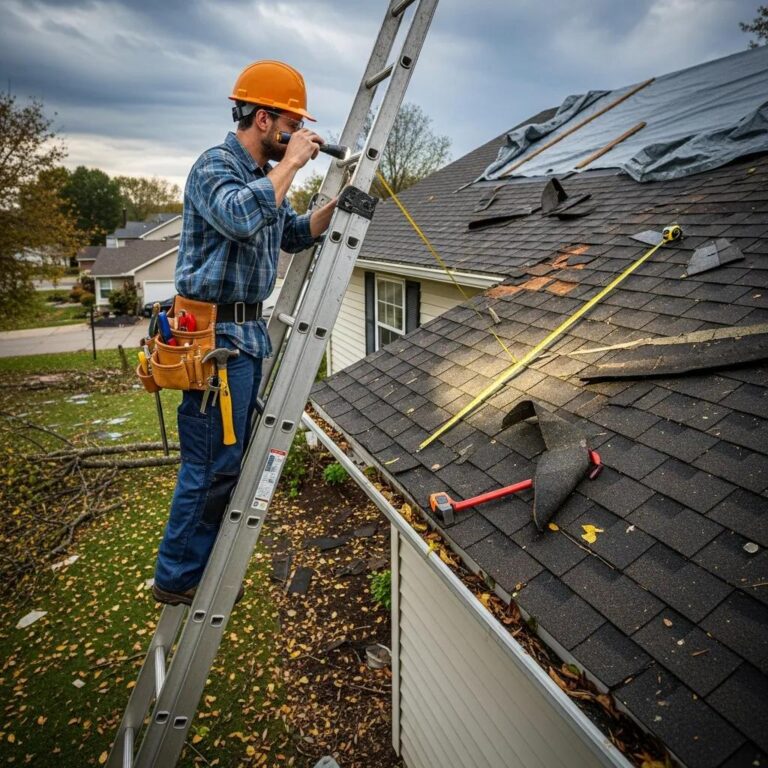
Attic mold often reveals itself through musty odors, visible staining on roof sheathing or rafters, damaged insulation, or moisture staining around vents and roof penetrations; a focused attic inspection checks these signs and measures moisture content in wood and insulation for you. Our assessors use moisture meters and infrared imaging to reveal hidden wet areas and determine whether attic ventilation or a roof leak is the active moisture source. If mold is localized and non-structural, spot remediation and ventilation fixes may suffice, but widespread contamination or damaged insulation often requires full remediation and insulation replacement. Proper attic assessment links inspection findings to remediation scope so remediation addresses both contaminated materials and the underlying roof or ventilation problem, preventing spores from migrating into your living spaces.
What Factors Influence Black Mold Removal Cost in Nashville and Murfreesboro?
Black mold removal cost varies with contamination extent, materials affected, accessibility, and the complexity of moisture source repair; local factors such as regional humidity, older housing stock, and disposal costs also influence pricing. Costs rise when large areas of porous materials (drywall, insulation) require removal, when structural repairs are necessary, or when containment and negative-pressure systems need to be extensive to protect your occupied areas. Accessibility—tight crawl spaces, multi-story access, or attics—adds labor and equipment time, while required verification testing and post-remediation repairs further increase scope. Insurance coverage nuances and the need for documentation can shift out-of-pocket costs for homeowners, so accurate inspection and a clear remediation plan are essential for you to set realistic expectations.
The main cost drivers include:
- Extent of Contamination: Larger square footage and deep material penetration increase scope.
- Type of Materials Affected: Porous materials like insulation and drywall require removal and replacement.
- Accessibility & Containment Needs: Tight or occupied spaces require more complex containment and time.
Before reviewing the cost impacts below, consider that accurate estimates depend on inspection findings and material testing, which guide the necessary containment levels and disposal methods for your project.
- Small localized area (e.g., bathroom): Typically results in a Low to Medium price impact due to smaller square footage.
- Attic or crawl space with contaminated insulation: Expect a High price impact due to the material type and depth of contamination.
- Structural wood affected: A High price impact is likely due to the need for structural repairs.
- Hard-to-access spaces: Expect a Medium to High price impact due to accessibility challenges.
- Required clearance testing: A Medium price impact for the necessary testing and documentation.
This list translates inspection findings into actionable expectations for homeowners and business owners; the following section explains how insurance typically interacts with mold claims and what documentation insurers look for.
Which Elements Affect the Price of Mold Remediation Services?
Specific elements that affect price include square footage of contaminated area, whether contamination is surface-level or has penetrated framing or insulation, and whether repairs are needed for roofing, plumbing, or HVAC systems that caused moisture intrusion. Containment complexity—such as creating sealed work zones in occupied homes or businesses—requires additional labor, materials, and HEPA filtration equipment, which can increase costs. Disposal of contaminated materials and restoration or reconstruction after remediation (drywall replacement, painting, insulation) add to the final invoice. Understanding these elements helps you prioritize repairs and discuss phased remediation and repair options when budgets are a concern. Understanding water damage
How Does Insurance Coverage Impact Mold Removal Expenses?
Insurance coverage for mold removal often depends on the cause: sudden, accidental water events (burst pipes) are more likely to be covered than long-term neglect or chronic issues. Insurers typically require timely mitigation, documentation of damage, and professional estimates for you to consider a claim; detailed inspection reports, photographs, and moisture readings strengthen claims. Working with a remediation contractor who provides clear scopes, documentation, and claims assistance can streamline the process and improve the likelihood of coverage where policy language permits. We recommend homeowners collect before-and-after photos, inspection notes, and contractor estimates promptly to support claim submissions and expedite approvals.
How we help: 24 Hour Flood Fighters provides free estimates, insurance claims assistance, and IICRC-certified specialists who document damage and remediation scope to aid claim submissions. As a local, family-owned restoration company offering 24/7 emergency response, they can mobilize quickly to limit damage and start the mitigation process that insurers look for in coverage decisions.
How Can Mold Recurrence Be Prevented After Remediation?
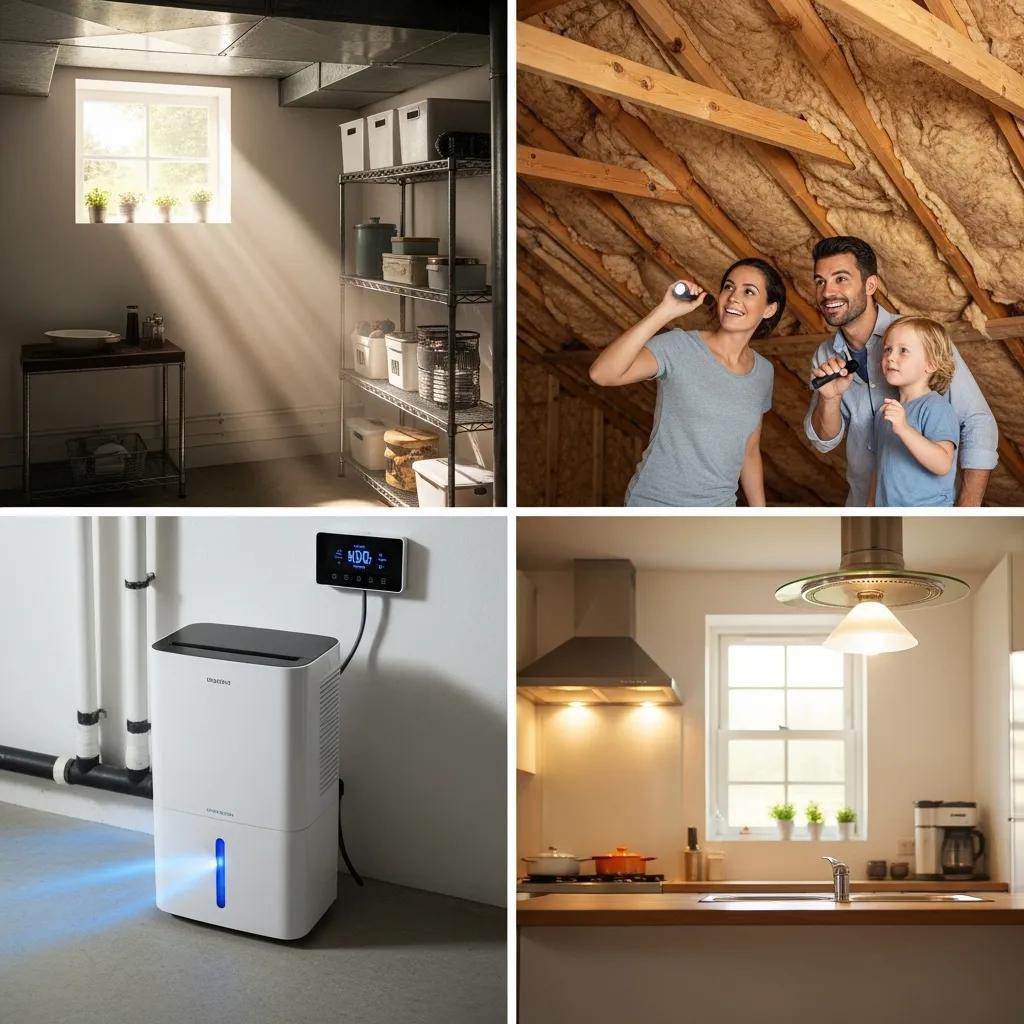
Preventing mold recurrence requires you to eliminate moisture drivers, improving ventilation, and implementing monitoring and maintenance routines tailored to the building’s vulnerabilities. Measures range from simple homeowner actions—maintaining indoor humidity below 50 percent and fixing leaks promptly—to upgrades such as improved attic ventilation, crawl space encapsulation, and HVAC maintenance that address systemic moisture sources. A successful prevention program integrates targeted repairs, insulation and vapor barrier improvements where it’s needed, and periodic inspections to catch issues early. The list below compares common prevention measures, clarifying where each is most effective and the benefits you can expect.
- Humidity control / dehumidifiers: Best for basements, crawl spaces, and living areas. Expected benefit: Reduces airborne moisture that supports mold growth.
- Ventilation upgrades (exhaust fans): Apply in bathrooms, kitchens, and attics. Expected benefit: Removes moisture at the source and reduces condensation.
- Attic and crawl space sealing: Focus on attics and crawl spaces. Expected benefit: Prevents outside humidity intrusion and thermal bridging.
- Regular monitoring / inspections: Apply to the whole house. Expected benefit: Early detection limits remediation scope and cost.
These prevention strategies work in combination to reduce recurrence risk and protect indoor air quality; the next paragraphs provide practical homeowner actions and attic-specific measures that sustain remediation gains.
What Are Effective Mold Prevention Strategies for Homeowners?
You can reduce recurrence risk by maintaining indoor relative humidity below 50 percent, using exhaust fans during cooking and bathing, and deploying dehumidifiers in basements and crawl spaces where humidity is persistently high. Promptly repairing roof leaks, plumbing failures, or HVAC condensation issues and drying wet materials within 24–48 hours prevents mold colonization on porous substrates in your home. Regularly inspecting attics and crawl spaces for signs of moisture, keeping gutters clean, and ensuring proper exterior grading further reduce water intrusion risks for your property. Combining these everyday maintenance steps with periodic professional inspections creates a defense-in-depth approach that preserves your remediation investments and improves long-term indoor air quality.
- Maintain indoor humidity below 50% with a hygrometer and dehumidifier as needed.
- Fix leaks and dry or replace wet materials within 24–48 hours.
- Use exhaust fans in bathrooms and kitchens and verify attic ventilation.
- Inspect vulnerable areas seasonally and after major storms or floods.
Adopting these measures consistently reduces the likelihood of costly repeat remediation and supports healthier indoor environments for you and your family.
How Does Attic Mold Removal Contribute to Long-Term Mold Control?
Attic mold removal and associated repairs—such as replacing contaminated insulation, repairing roof leaks, and improving ventilation—prevent spores from migrating into your conditioned living spaces and limit recontamination of your home. Correcting attic ventilation and ensuring adequate insulation creates a thermal balance that reduces condensation on roof sheathing, one common driver of attic mold. In many cases, attic remediation is paired with targeted upgrades like ridge vents, soffit ventilation, or sealing bypasses between living areas and attic spaces to prevent humid air infiltration. Periodic attic checks after remediation and seasonal ventilation assessments complete a long-term control strategy that protects both your structure and indoor air quality.
Here’s what we’ve learned from helping thousands of homeowners: For ongoing support and to schedule inspection or remediation, 24 Hour Flood Fighters offers 24/7 emergency response and free estimates from IICRC-certified specialists experienced in attic and crawl space remediation. Their local, family-owned team can assist with insurance claims documentation and rapid mitigation to protect properties across Nashville and Murfreesboro; contact their office by phone for urgent assistance.
Conclusion
Addressing mold issues effectively is essential for safeguarding your health and property, and professional remediation ensures thorough and safe removal. By understanding the key steps and prevention strategies outlined in this guide, you can make informed decisions that protect your indoor environment. Don’t wait for symptoms to escalate; take proactive measures by scheduling a professional inspection today. For expert assistance and peace of mind, reach out to our team at 24 Hour Flood Fighters for a free estimate and support tailored to your needs.