Storm Damage Repair Nashville: Comprehensive Restoration and Recovery Guide
We know how stressful storm damage can be, and that’s why we’ve put together this guide. Severe weather can inflict immediate and unseen damage to homes and businesses across Nashville, Murfreesboro, and Middle Tennessee, and understanding rapid restoration priorities helps prevent minor issues from becoming major losses, which is why this matters to you. This guide explains what to do the moment a storm impacts your property, how professionals assess and mitigate structural and water damage, and how to document and navigate insurance claims to secure timely repairs. You’ll learn practical safety steps, the typical storm damage types in this region, a step-by-step restoration workflow (including water extraction and mold prevention), plus guidance on insurance documentation and proactive maintenance. If you need urgent mitigation, 24 Hour Flood Fighters provides 24/7 emergency response with IICRC-certified technicians who handle tarping, board-up, water extraction, and coordination with insurers; call 615-359-9406 for immediate assistance. Read on for actionable checklists, equipment and timeline expectations, and localized advice to help property owners recover efficiently and reduce long-term costs.
What immediate steps should you take after severe storm damage?
Here’s what we’ve learned from helping thousands of homeowners in Nashville and Middle Tennessee navigate the immediate aftermath of a storm. Immediate action after storm damage focuses on safety, stopping further water intrusion, and documenting loss so restoration can begin quickly and insurance claims are supported – here’s why this matters to you. First, you’ll want to ensure all occupants are safe and move away from obvious hazards such as downed power lines, unstable structures, and contaminated floodwater; once safety is confirmed, shut off utilities only if it is safe to do so. Next, we recommend you document visible damage with time-stamped photos and video from multiple angles before any cleanup, because early documentation preserves evidence for claims and scopes of work. Finally, you’ll want to call a professional emergency restoration service with 24/7 response capabilities to perform mitigation like tarping, board-up, and water extraction to limit secondary damage and mold growth.
The following prioritized checklist outlines immediate actions every property owner should take after a storm.
- You’ll want to ensure safety first: Move people and pets to safe locations away from hazards before inspecting damage.
- We recommend shutting off utilities when safe: Turn off gas, electricity, and water only if you can do so without exposure to risk.
- You’ll want to document damage thoroughly: Capture photos and videos with timestamps of all affected areas and contents.
- We recommend calling emergency restoration immediately: Request mitigation services immediately to limit water intrusion and mold risk.
Taking these steps reduces the scope and cost of repairs and prepares you for the next phase: emergency mitigation and professional restoration.
How does 24/7 emergency storm restoration in Tennessee minimize damage?

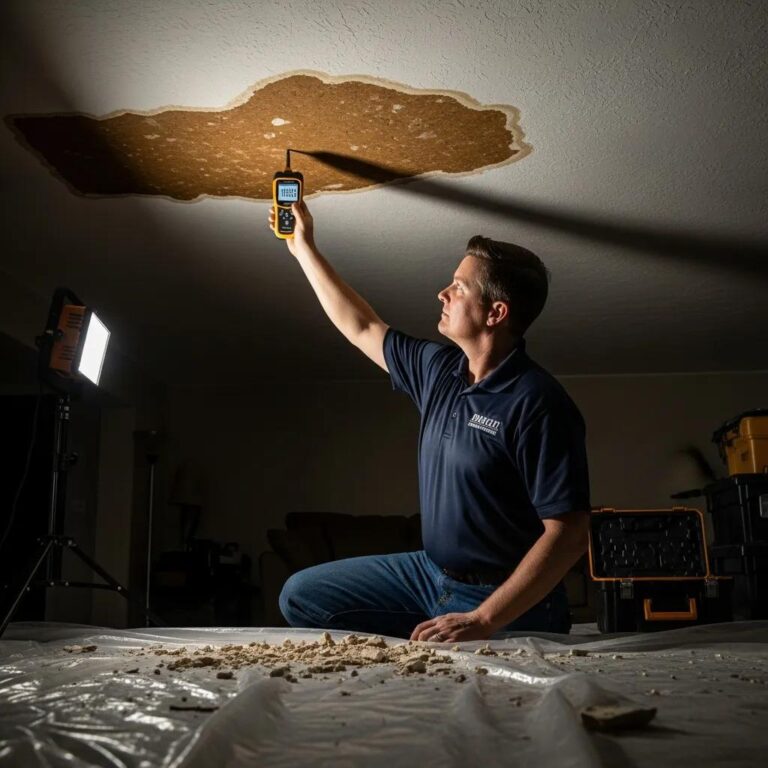
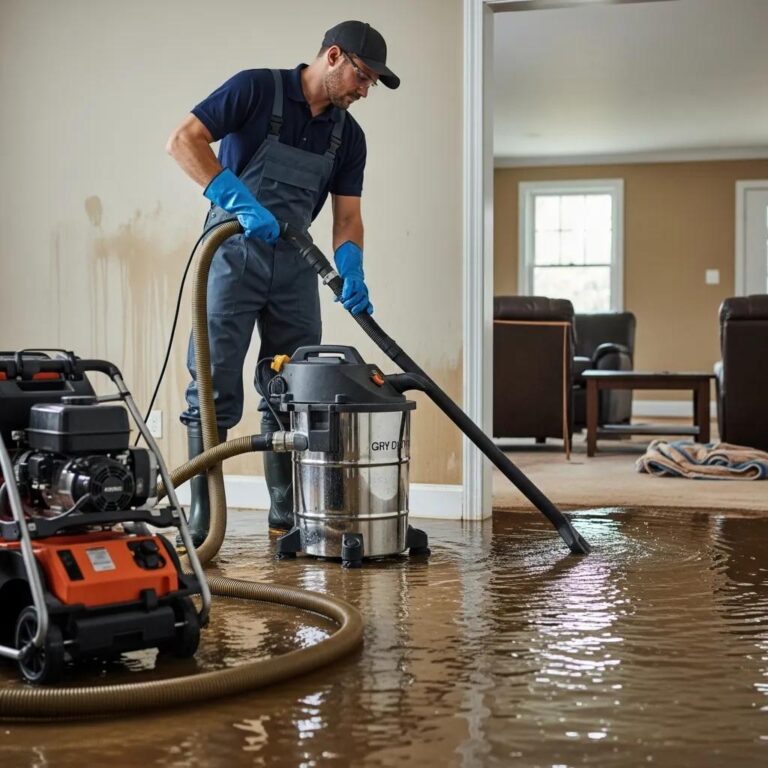
When a storm hits, rapid emergency response is crucial, and here’s how our team minimizes ongoing damage. Rapid emergency response limits ongoing damage by stabilizing the structure, removing standing water, and protecting exposed building elements until full repairs can begin. A typical emergency crew arrives quickly to perform temporary roof tarping, board up broken windows and doors, and begin controlled water extraction using pumps and truck-mounted vacuums, which reduces moisture penetration into framing and finishes. Technicians also deploy air movers and industrial dehumidifiers to begin structural drying and use infrared moisture meters to map hidden moisture that can cause mold if left untreated. Fast mitigation narrows the remediation scope, lowers replacement costs for materials, and shortens the overall restoration timeline – here’s why immediate professional intervention matters to you after severe storms.
These emergency measures set the stage for a full restoration assessment that defines permanent repairs and insurance estimates, which we cover next.
What safety precautions are essential before restoration begins?
Your safety is our top priority, and here are the essential precautions we recommend before restoration begins. Before restoration crews enter, we recommend property owners and occupants avoid re-entering damaged spaces until a safety assessment confirms structural stability and electrical systems are secure. Floodwater is often contaminated with sewage or chemical runoff, so anyone entering affected areas will want to wear protective gear including nitrile gloves, waterproof boots, and N95 or higher respiratory protection as recommended; avoid touching exposed wiring or standing water near electrical sources. We recommend photographing conditions from a safe distance rather than moving items that could be evidence for claims, and keeping a log of access to the property to support insurer review. You’ll want to confirm that responding restoration technicians are properly equipped and trained, then coordinate next steps with them to limit exposure and preserve evidence for repairs and claims.
These precautions protect health and preserve the integrity of evidence needed for accurate damage assessment and insurance documentation.
Which types of storm damage affect Nashville and Murfreesboro properties?
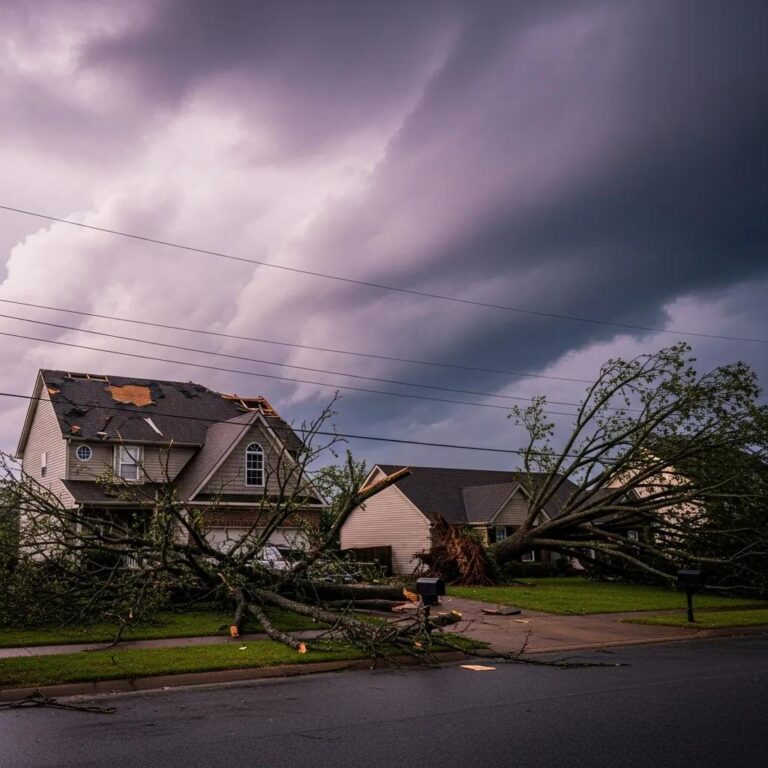
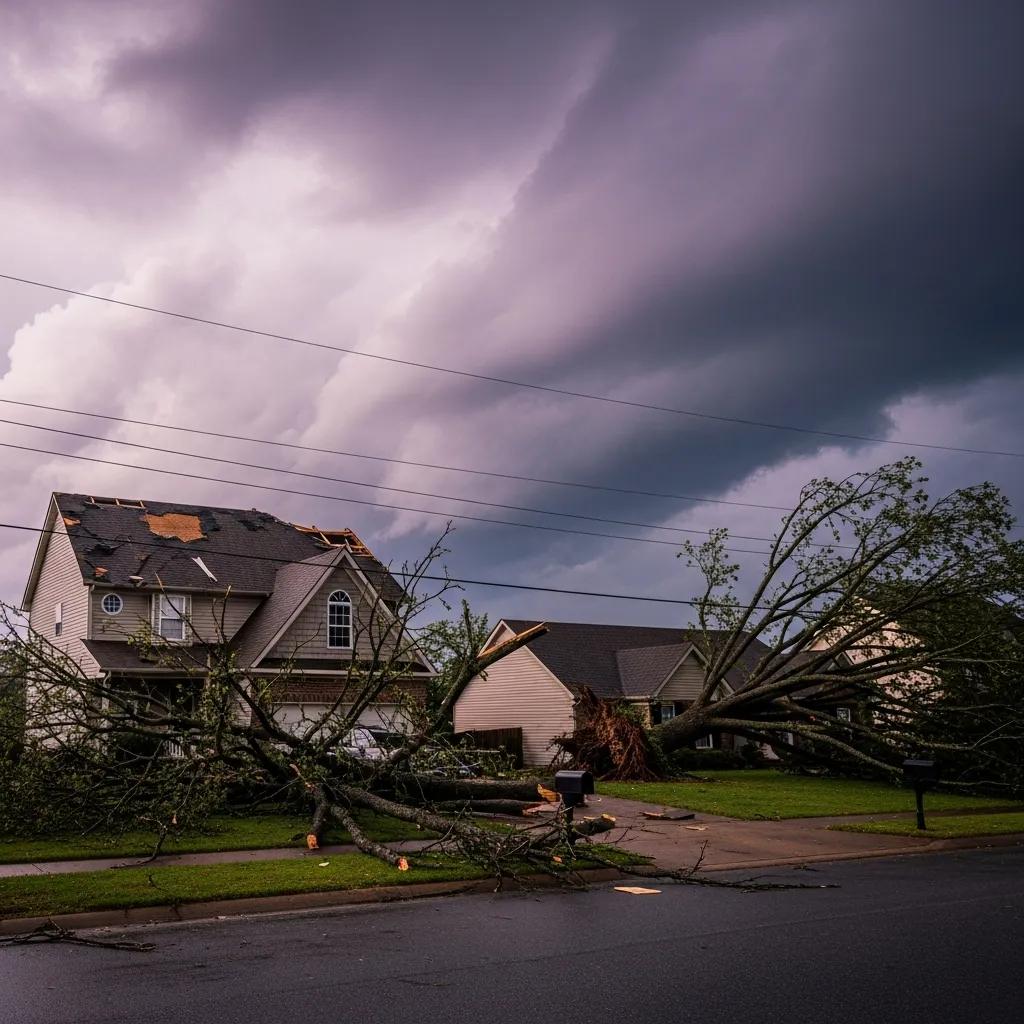
Having helped countless families and businesses, we’ve seen firsthand the types of storm damage that affect Nashville and Murfreesboro properties. Storms in Middle Tennessee produce several distinct damage profiles—wind, hail, flood, tornado, and lightning strikes—each with predictable impacts to roofs, siding, windows, foundations, and interiors. Understanding the typical patterns and urgency of repairs helps homeowners prioritize inspections and mitigation – here’s why this matters to you. Wind tends to lift shingles and expose sheathing, hail dents roofing and siding and dislodges granules, and floodwater causes contamination and prolonged moisture in walls and floors. Quick detection and mitigation shorten restoration timelines and reduce the likelihood of mold and structural deterioration.
Below is a quick comparison of common storm types, their typical damage, and recommended repair urgency and timelines.
- Windstorms
- Typical Damage: Uplifted shingles, torn soffits, broken windows
- Common Repairs / Urgency / Typical Timeline: Temporary tarping/board-up immediately; full roof repair within days to weeks depending on inspection
- Hail
- Typical Damage: Dented metal, granule loss on shingles, cracked siding
- Common Repairs / Urgency / Typical Timeline: Inspection for replacement vs repair; roofing often needs contractor review within days
- Flooding
- Typical Damage: Contaminated water intrusion, saturation of walls/floors, HVAC contamination
- Common Repairs / Urgency / Typical Timeline: Emergency extraction and drying within 24–48 hours; repairs and remediation over weeks
- Typical Damage: Uplifted shingles, torn soffits, broken windows
- Common Repairs / Urgency / Typical Timeline: Temporary tarping/board-up immediately; full roof repair within days to weeks depending on inspection
- Typical Damage: Dented metal, granule loss on shingles, cracked siding
- Common Repairs / Urgency / Typical Timeline: Inspection for replacement vs repair; roofing often needs contractor review within days
- Typical Damage: Contaminated water intrusion, saturation of walls/floors, HVAC contamination
- Common Repairs / Urgency / Typical Timeline: Emergency extraction and drying within 24–48 hours; repairs and remediation over weeks
How does wind damage impact structural integrity?
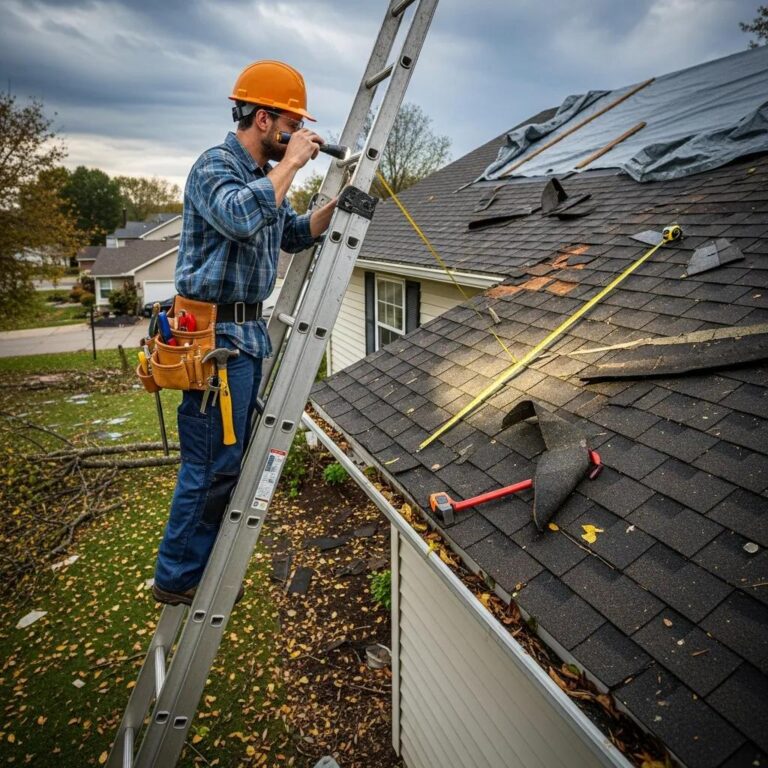
Wind damage can be deceptive, but here’s what we’ve learned about how it impacts structural integrity. Wind damage compromises structural elements by lifting roofing systems, loosening sheathing, and creating points of water entry that accelerate internal decay and mold. You’ll want to look for missing or curled shingles, exposed nail heads, cracked chimney flashings, and ripped siding as early signs that water can penetrate the envelope; these conditions often escalate after subsequent rain events. Temporary interventions such as tarping and board-up stabilize the structure and prevent further intrusion while a qualified crew assesses load-bearing components and roof framing. When structural compromise is suspected, restoration teams coordinate with structural engineers or building inspectors to determine whether immediate shoring, bracket repairs, or full roof replacement is necessary, which affects timeline and insurance scope.
Identifying wind damage early reduces the chance of hidden rot and extended restoration costs, leading naturally to inspection and drying procedures that follow initial mitigation.
What are the signs and repair needs for hail damage on roofs and siding?
Hail damage can be tricky to spot, but here’s what we look for and what you’ll want to know about repairs. Hail damage commonly presents as missing granules on shingles, surface bruising, cracked or dented metal components, and pockmarked siding that can shorten the effective lifespan of roofing and cladding materials. During an inspection, technicians check for concentrated granule loss indicating weakened shingles, damaged flashing around roof penetrations, and compromised gutters that affect drainage; these findings inform whether repair or full replacement is more cost-effective. For insurance documentation, we recommend photographing hail impacts at close range and from multiple angles, and keeping any replaced materials for adjuster review; timely professional inspection helps determine interim fixes like patching or full replacement to prevent leaks. Repair timelines range from immediate patching to scheduled roof replacement within weeks, depending on severity and material availability.
Accurate documentation of hail impacts supports insurance claims and ensures repairs restore the roof’s protective function.
How does the storm damage restoration process work from assessment to cleanup?
We know you’re eager to get your property back to normal, so here’s a clear overview of how our storm damage restoration process works, from assessment to cleanup. Restoration follows a standardized workflow: initial assessment and emergency mitigation, controlled water extraction, structural drying and moisture monitoring, targeted mold prevention, and progressive repairs to return a property to pre-loss condition. This phased approach balances immediate risk reduction with long-term restoration planning, using specialized equipment and measurement targets to verify drying and safety. Effective restoration teams document each phase for insurance and use IICRC standards and moisture-mapping protocols to determine endpoints and avoid premature closure of jobs – here’s why this matters to you. The following numbered summary provides a clear process outline for property owners to expect when engaging professional restoration services.
- Inspection and Scope: Our technicians perform a rapid damage assessment, document damages, and recommend emergency mitigation.
- Emergency Mitigation: We perform tarping, board-up, and containment to stabilize the structure and prevent further loss.
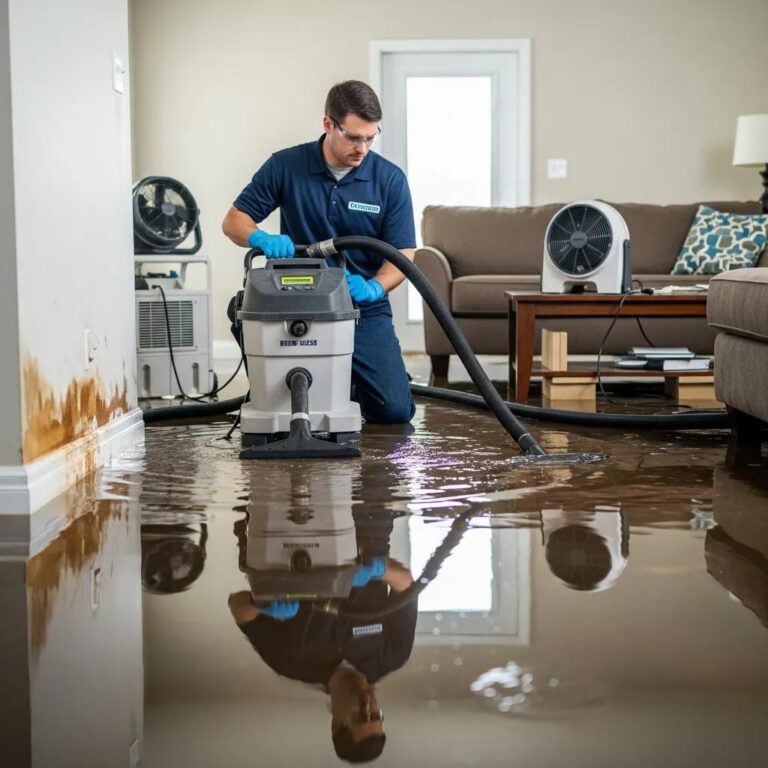
- Water Extraction: Standing water is removed with pumps and vacuums to accelerate drying.
- Structural Drying and Monitoring: We use air movers, dehumidifiers, and moisture meters until moisture targets are achieved.
- Mold Prevention/Remediation: We apply antimicrobial treatments and containment to minimize mold risk; full remediation is conducted if contamination is extensive.
- Repairs and Restoration: We handle carpentry, roofing, HVAC cleaning, and final cleaning to restore the property to pre-loss condition.
Introductory paragraph for the process comparison table: The table below breaks down restoration phases, what occurs during each step, and typical equipment and durations so homeowners know what to expect after a professional crew starts work.
- Assessment & Mitigation
- What Happens: Damage documented; temporary protections applied
- Equipment Used / Expected Duration: Cameras, tarps, chainsaws; same-day to 48 hours
- Extraction & Drying
- What Happens: Standing water removed; dehumidification begins
- Equipment Used / Expected Duration: Pumps, wet vacs, air movers, dehumidifiers; 2–7+ days
- Repairs & Verification
- What Happens: Structural repairs and final walkthrough
- Equipment Used / Expected Duration: Carpentry tools, roofing materials; days to weeks
- What Happens: Damage documented; temporary protections applied
- Equipment Used / Expected Duration: Cameras, tarps, chainsaws; same-day to 48 hours
- What Happens: Standing water removed; dehumidification begins
- Equipment Used / Expected Duration: Pumps, wet vacs, air movers, dehumidifiers; 2–7+ days
- What Happens: Structural repairs and final walkthrough
- Equipment Used / Expected Duration: Carpentry tools, roofing materials; days to weeks
What are the key steps in water extraction and structural drying?
Water extraction and structural drying are critical steps, and here’s how we ensure your property is thoroughly dried. Water extraction begins with controlled removal of standing water using high-capacity pumps and truck-mounted vacuums, which reduces hydrostatic pressure and limits water absorption into structural materials. Our technicians conduct moisture mapping with infrared cameras and moisture meters to identify hidden pockets of water in wall cavities and subfloors; this mapping guides the placement of air movers and desiccant or refrigerant dehumidifiers that drive evaporation and remove airborne moisture. Monitoring is continuous, with specific moisture content targets for materials (e.g., wood and drywall) that determine endpoints – here’s why this matters to you; typical drying times depend on water volume, material porosity, HVAC status, and ambient conditions, ranging from 48 hours to several weeks. Clear documentation of readings and equipment usage supports insurance claims and ensures drying is verified before reconstruction begins – here’s why this matters to you.
Effective drying reduces mold risk and shortens the overall restoration timeframe, connecting directly to preventative mold strategies described next.
How is mold prevention integrated into post-storm restoration?
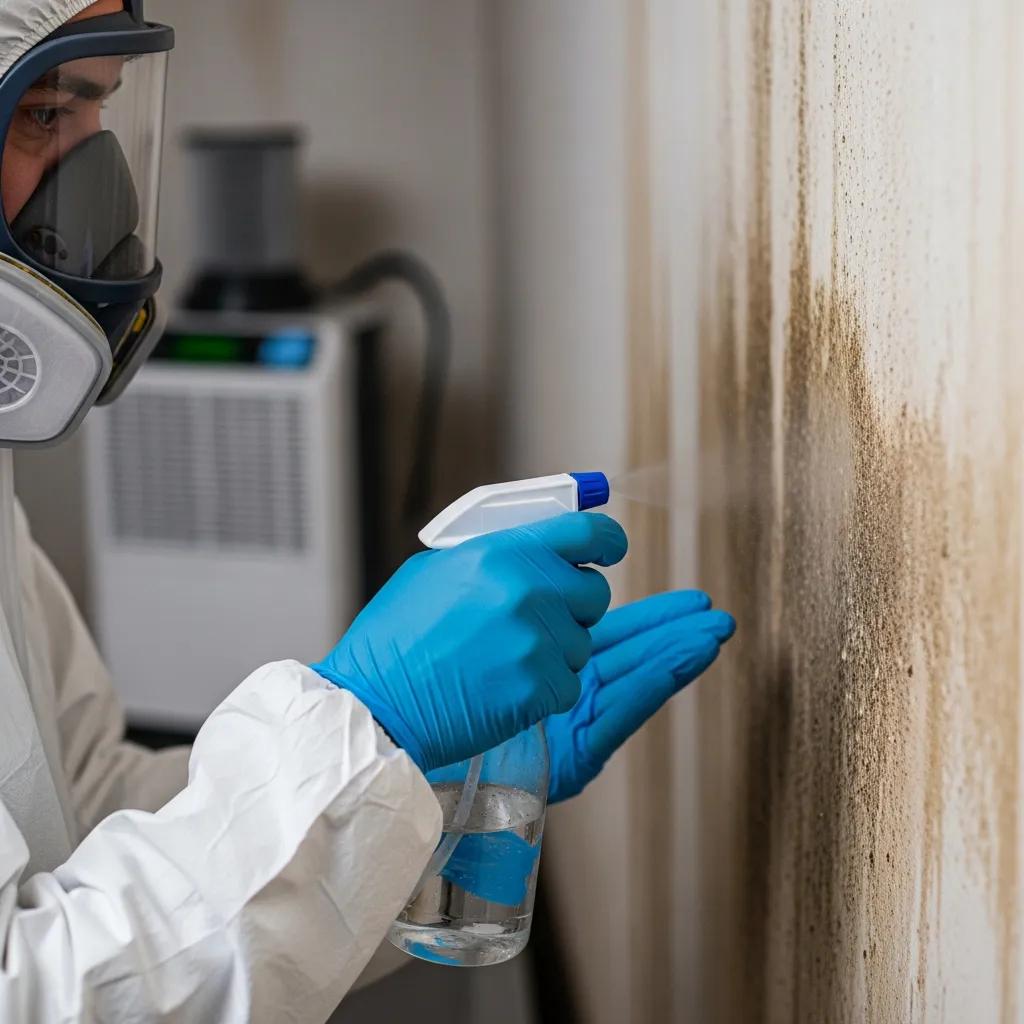
Mold is a serious concern after water damage, and here’s how we integrate prevention into every step of your restoration. Mold prevention is integral to rapid drying protocols and begins with immediate extraction and moisture control to deny spores the damp environment they need to colonize – here’s why this matters to you. Our restoration teams apply EPA-recommended antimicrobial treatments to affected surfaces when appropriate, set up containment to prevent cross-contamination, and inspect HVAC systems for contaminated ducts that require cleaning or replacement. When visible mold or extensive moisture exposure exists, our remediation specialists perform focused removal, HEPA vacuuming, and negative-pressure containment to protect unaffected areas; testing and clearance verification may follow to document a safe environment. Early water management and ongoing moisture monitoring are the most effective preventive measures, reducing the need for extensive remediation and associated costs.
Preventive steps during drying and targeted remediation when needed preserve indoor air quality and support insurer acceptance of restoration work.
How can homeowners and businesses navigate insurance claims for storm damage?
We know navigating insurance claims can be overwhelming, but here’s what we’ve learned from helping thousands of homeowners and businesses successfully manage their storm damage claims. Navigating storm damage claims requires thorough, timely documentation; clear communication with your insurer; and professional estimates that reflect the true scope of mitigation and repairs – here’s why this matters to you. You’ll want to start by notifying your insurer promptly, then provide time-stamped photos, videos, and an inventory of damaged contents; we recommend keeping receipts for emergency mitigation and temporary repairs because these are typically reimbursable. Our restoration professionals can produce detailed scopes of work and measurement logs that clarify the need for specific repairs, and we often coordinate directly with adjusters to explain technical aspects of drying or structural issues. Understanding common pitfalls—like delayed mitigation, incomplete documentation, or DIY repairs that obscure damage—helps prevent claim denials and ensures a fair settlement – here’s why this matters to you.
The table below lists essential documents every claimant should collect, why each is needed, and practical tips for secure storage and submission.
- Photos & Videos
- Why Needed: Visual evidence of pre- and post-loss condition
- Example / Tips: Use timestamps and multiple angles; store backups offsite
- Receipts & Invoices
- Why Needed: Proof of emergency expenses and mitigation work
- Example / Tips: Keep originals and digital copies; include contractor scopes
- Inventory of Contents
- Why Needed: Valuation of damaged personal property
- Example / Tips: List item descriptions, purchase dates, and estimated value
- Why Needed: Visual evidence of pre- and post-loss condition
- Example / Tips: Use timestamps and multiple angles; store backups offsite
- Why Needed: Proof of emergency expenses and mitigation work
- Example / Tips: Keep originals and digital copies; include contractor scopes
- Why Needed: Valuation of damaged personal property
- Example / Tips: List item descriptions, purchase dates, and estimated value
What documentation is required for effective insurance claims?
To ensure your insurance claim is as smooth as possible, here’s the documentation we recommend. Effective claims depend on a coherent packet of evidence: initial photos/videos, dated logs of when damage was discovered, contractor mitigation invoices, professional scope of work documents, and itemized contents inventories – here’s why this matters to you. Timestamps and unedited media prove the chronology of damage, while contractor reports and moisture logs verify the necessity and timing of mitigation efforts – here’s why this matters to you. We recommend keeping a single organized digital folder with backups and providing your insurer with copies upon request; also maintain originals in a secure location. Thorough documentation reduces disputes over scope and speeds approvals for necessary repairs and restoration.
How does 24 Hour Flood Fighters assist with insurance adjusters?
We understand that dealing with insurance adjusters can be complex, which is why 24 Hour Flood Fighters is here to assist you every step of the way. 24 Hour Flood Fighters assists homeowners by documenting damages on-site, preparing detailed estimates that reflect mitigation and repair needs, and communicating directly with insurance adjusters to explain technical findings and moisture-mapping evidence – here’s why this matters to you. Our IICRC-certified technicians produce professional scopes of work and drying logs that substantiate the need for specific treatments and repairs, and we can provide invoices for emergency services that insurers commonly reimburse. When you opt for our professional assistance, we act as a liaison to streamline the inspection and claim review process, reducing delays and ensuring the restoration work aligns with industry standards. For immediate coordination or to request an estimate, contact 24 Hour Flood Fighters at 615-359-9406; their team serves Nashville, Murfreesboro, and surrounding Middle Tennessee with 24/7 emergency response.
This support shortens claim cycles and helps homeowners focus on recovery rather than administrative burdens.
What proactive measures help prevent future storm water damage and severe weather impacts?
After helping countless properties recover, we’ve learned that proactive measures are key to preventing future storm water damage and severe weather impacts. Proactive measures reduce the probability and impact of storm damage through routine maintenance, strategic upgrades, and preparedness planning tailored to local risk factors like seasonal storms and flood-prone areas – here’s why this matters to you. Regular roof inspections, gutter cleaning, landscape grading away from foundations, and maintaining sump pumps and backflow valves significantly reduce water intrusion risk, and we recommend these steps. Structural upgrades—such as reinforcing roof connections, installing impact-resistant siding or windows in high-exposure areas, and adding flood vents in crawlspaces—add resilience and can lower long-term repair frequency. Preparedness also includes an emergency plan, documentation backups, and quick access to restoration contacts to mobilize mitigation when a storm hits – here’s why this matters to you.
The checklist below outlines practical preventive actions homeowners should schedule seasonally and before storm season.
- We recommend inspecting and maintaining your roof & flashing: Check shingles, flashing, and chimney seals twice a year and after major storms.
- You’ll want to clear gutters & downspouts: Remove debris to ensure effective drainage away from the foundation.
- We recommend grading landscaping away from your foundation: Maintain slopes that direct water away from the building envelope.
- You’ll want to service sump pumps & backflow valves: Test and maintain mechanical systems that prevent basement flooding.
- We recommend securing outdoor items & reinforcing entry points: Anchor loose items and consider impact-resistant reinforcements where needed.
What should a home storm preparedness checklist include?
Here’s what we’ve learned about creating a home storm preparedness checklist that truly helps. A focused home storm preparedness checklist combines supplies, documentation, and action plans so households can respond safely and preserve property. Essential supplies include first-aid kits, flashlights, portable chargers, and waterproof storage for important documents; you’ll want to ensure you have multiple contact methods and an evacuation plan that accounts for pets. We recommend preparing a digital and physical inventory of valuable items, including photos and receipts, stored in offsite backups to support claims. You’ll want to establish a list of emergency contacts including local restoration providers and your insurer, and review shut-off procedures for utilities so that actions can be taken quickly and safely.
Preparedness reduces stress during crises and preserves evidence and continuity for recovery efforts, leading naturally into routine maintenance routines.
How can regular maintenance reduce risk of storm damage?
Regular maintenance is one of the best investments you can make, and here’s how it significantly reduces the risk of storm damage. Routine maintenance addresses the small failures that become major vulnerabilities during storms: a few missing shingles, clogged gutters, or a malfunctioning sump pump can allow significant water intrusion when conditions worsen. We recommend establishing a seasonal inspection cadence—spring and late summer—to check roofs, gutters, window seals, and drainage systems; you’ll want to document findings and schedule repairs promptly. Cost-benefit analysis often favors proactive repairs because addressing minor issues early prevents larger structural work and interior restoration later – here’s why this matters to you. For inspection or maintenance tasks beyond homeowner capacity, we recommend engaging qualified professionals to verify systems and recommend resilience upgrades, linking routine upkeep with reduced risk and lower long-term restoration costs.
Regular maintenance is the most cost-effective strategy to reduce the frequency and severity of storm-related claims and aligns with the restoration and insurance coordination practices outlined earlier.