Flood damage can arrive in minutes and leave costly, hazardous problems behind — from weakened structures and live electrical risks to fast-moving mold growth. That’s why a quick, professional restoration response matters: it limits loss, protects health, and reduces long-term repair bills.
This guide lays out what flood damage looks like, why the type of water changes your cleanup plan, and how a step-by-step emergency water damage restoration workflow — assessment, extraction, drying, remediation, and repair — helps you recover sooner. You’ll learn how mold remediation works after flooding, which storm repairs stabilize your property, and practical prevention and insurance-documentation tips that speed recovery. We focus on causes common to Middle Tennessee, clear emergency actions you can take, how to spot mold, and prevention tactics that reduce future risk.
Along the way we explain terms like emergency water removal, structural drying, dehumidification, and mold remediation so you can make confident, practical decisions. Read on for checklists, simple comparisons, and next steps to protect your home or business.
What Are the Common Types and Causes of Flood Damage?
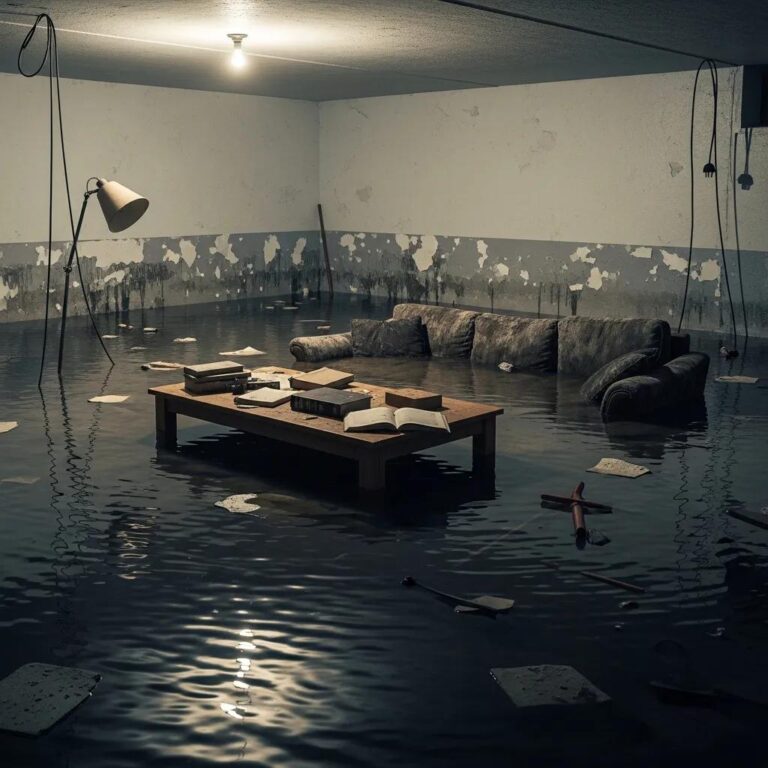
Water intrusion is classified by source and contamination level — and that classification determines health risk and cleanup method. Clean water (from supply lines) is the least hazardous; gray water (from appliances) is more risky; and black water (sewage or floodwaters) carries pathogens and usually requires removing porous materials. Knowing key terms — emergency water removal, sewage backup cleanup, basement flood cleanup — helps you prioritize safety and salvage decisions after an event. Understanding both causes and contamination types guides immediate mitigation and longer-term restoration choices; we unpack each below.
How Does Water Damage Affect Homes and Businesses?
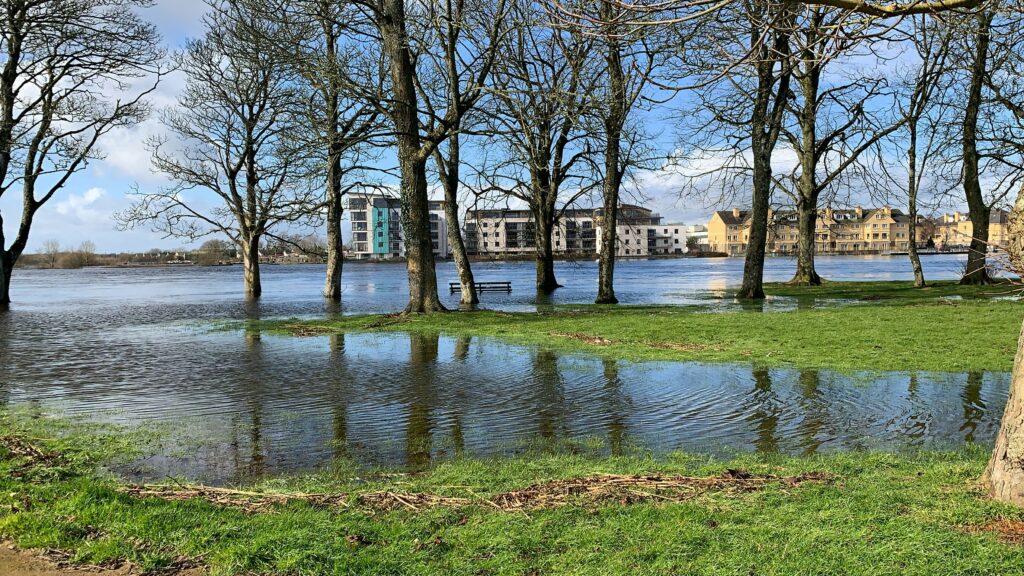
Water harms building materials by soaking porous surfaces, breaking down adhesives, and corroding metal — all of which can quickly weaken structures and finishes. Drywall can begin to swell and separate within hours, hardwood floors may cup and buckle over days, and any electrical equipment exposed to moisture becomes a shock and fire hazard that needs a pro’s inspection. Whether contents are salvageable depends on the water type and how long they were wet: fast extraction and drying often save electronics and fabrics, while contaminated floodwater usually means disposal. Those material effects determine the targeted restoration steps needed to stabilize your property and protect occupants, which we describe next.
What Are the Main Causes of Flood and Water Damage in Middle Tennessee?
Middle Tennessee sees seasonal heavy rain, flash flooding, and storm runoff that can overwhelm drainage and basement systems. Local failures — burst pipes, broken water heaters, appliance leaks, and sump pump outages — also cause major losses. Older homes with poor grading or drainage are more vulnerable, and growing development can increase runoff during storms. Knowing regional weather patterns and common failure points helps you prioritize prevention and speed mitigation after an event.
Surface Water Flood Damage Assessment Using Insurance Claims
Surface water floods in Switzerland: what insurance claim records tell us about the damage in space and time
How Does Storm Damage Contribute to Flooding and Property Loss?
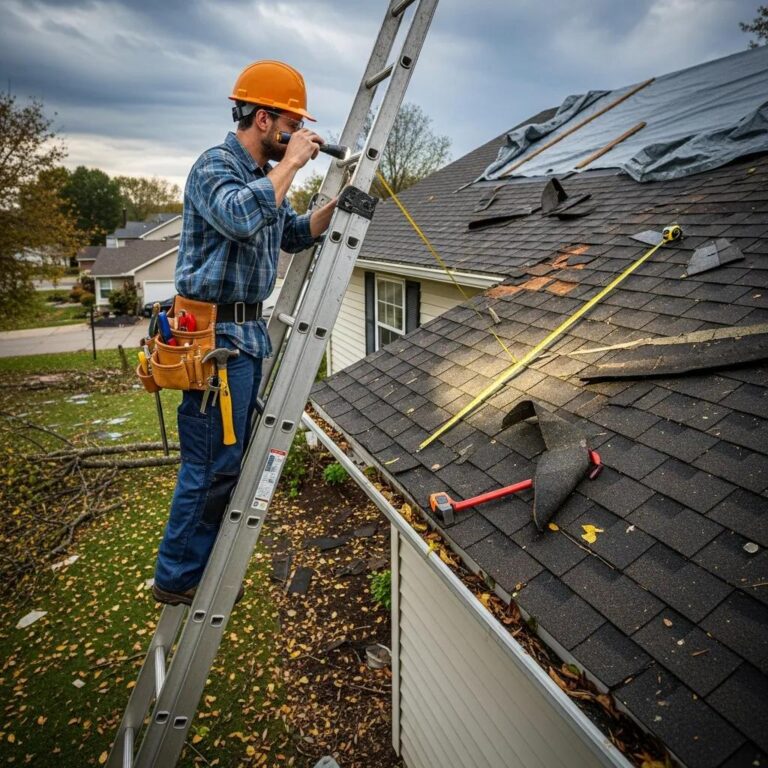
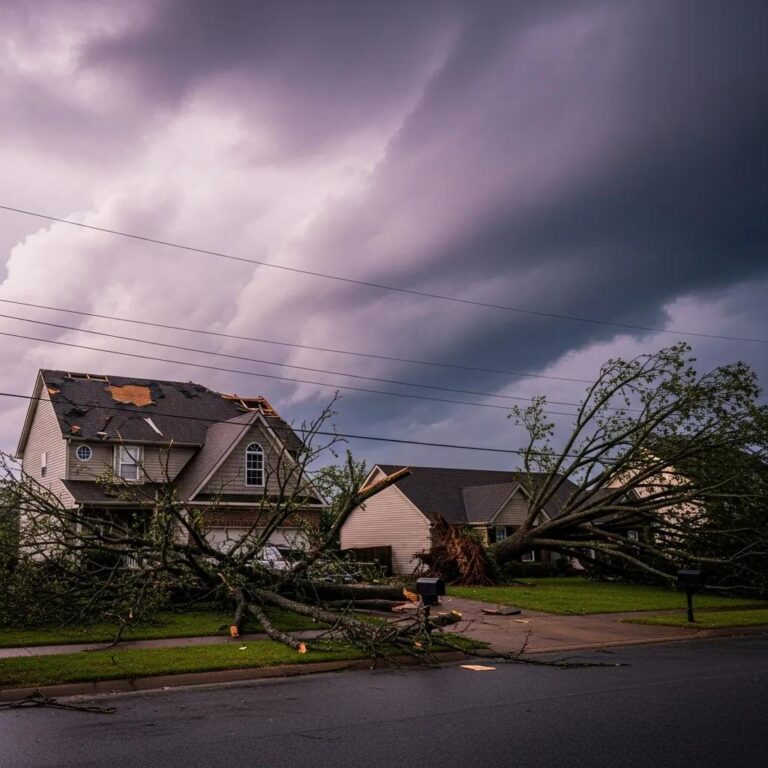
Storms damage the building envelope — roofs, siding, and windows — and those gaps let water inside, causing interior flooding and progressive deterioration. Even a small roof breach during high winds can produce persistent leaks that soak insulation and framing, speeding mold growth and structural decay if not addressed quickly. Temporary protections like roof tarping and board-up reduce ongoing water entry and limit secondary damage while permanent repairs are planned. Knowing how wind and water act together during severe weather helps prioritize emergency actions that preserve more of your property and contents.
What Are the Health Risks Associated with Mold Growth After Flooding?
Mold can begin to colonize wet organic materials within 24–48 hours and poses respiratory and allergic risks, especially for children, older adults, and people with weakened immune systems. Symptoms can include nasal congestion, coughing, wheezing, and eye irritation — and mold can worsen asthma. Agencies such as the EPA and CDC stress moisture control as the primary prevention method, which is why extraction, dehumidification, and professional remediation are top priorities after any water event. Understanding these timelines helps you decide when to call trained technicians for inspection and remediation.
What Is the Emergency Water Damage Restoration Process?
follows a reliable sequence: safety assessment, water extraction, structural drying, sanitization/remediation, and finally repair or reconstruction to return the property to pre-loss condition. This protocol slows deterioration, prevents mold when possible, and provides the documentation insurers require. Certified technicians use moisture meters, air movers, and dehumidifiers and record moisture maps and drying goals to verify progress. The steps below explain what happens at each stage and how you can help the process.
- Initial assessment and safety: Technicians evaluate contamination, structural hazards, and electrical risks before work starts.
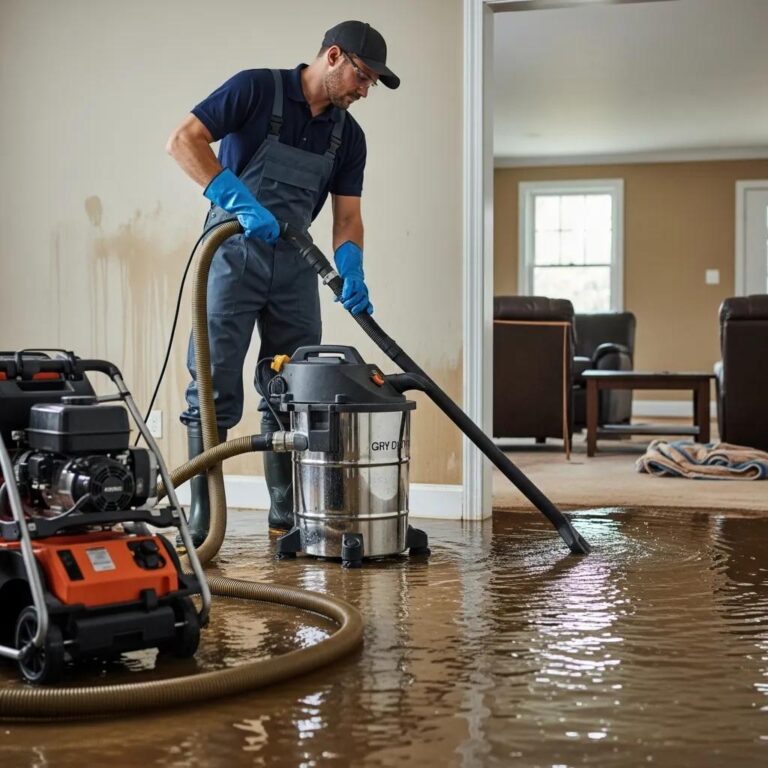
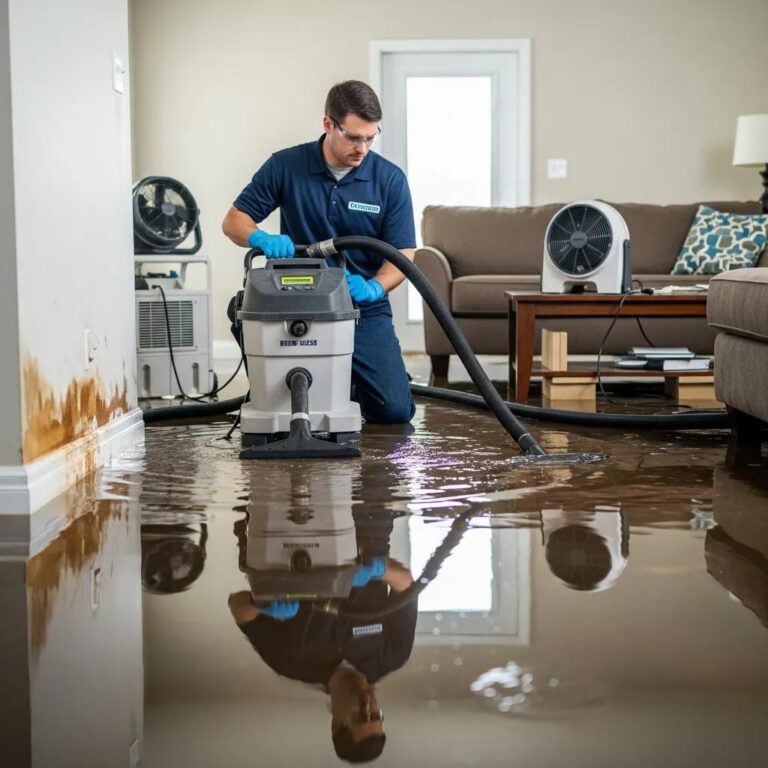
- Water extraction: Submersible pumps and portable extractors remove standing water quickly to reduce saturation depth.
- Structural drying and monitoring: Air movers and dehumidifiers create targeted drying while moisture meters track progress until materials reach safe levels.
- Sanitization and remediation: Affected surfaces are cleaned and disinfected; contaminated porous items are removed when necessary.
- Repair and restoration: Reconstruction and finish work restore the space, with documentation provided for insurance claims.
These stages limit long-term damage and create a verifiable remediation record for insurers. The table below summarizes typical durations and homeowner actions.
| Phase | Typical Duration | Homeowner Action |
|---|---|---|
| Assessment & Safety | 1–3 hours (initial) | Allow access and shut off power to unsafe areas |
| Extraction | Hours to 1 day | Move valuables from work zones if it’s safe to do so |
| Drying & Monitoring | 2–7+ days | Keep equipment accessible; follow crew instructions for furniture placement |
| Sanitization & Remediation | 1–3 days | Document damaged items and follow containment guidance |
| Repair & Reconstruction | Days to weeks | Review estimates and schedule contractor access |
Early professional evaluation shortens recovery time and improves salvage rates. The next section explains how fast you should call a restoration team.
How Quickly Should You Contact Emergency Water Damage Restoration Services?
— ideally within hours. Water damage and contamination escalate fast, and salvage rates fall sharply after 24–48 hours. A rapid response limits structural swelling, prevents mold colonization, and preserves contents; every hour counts for reducing replacement costs and health risks. Before our crew arrives, shut off electricity to flooded areas if safe, move unaffected valuables to a dry spot, and photograph damage with timestamps for insurance. Quick professional involvement also ensures accurate moisture mapping and drying plans that limit long-term problems and support clear insurance documentation.
What Are the Key Steps in Water Extraction and Structural Drying?
We start extraction with submersible pumps for standing water, then use low-profile extractors to pull moisture from flooring and carpets — cutting the time materials stay saturated. Structural drying uses air movers to speed evaporation and dehumidifiers to remove moisture from the air; technicians set target moisture levels and use meters to confirm progress until readings hit safe baselines. Keeping records of equipment placement, daily moisture readings, and photos is critical for insurance claims and for verifying drying goals. Proper extraction and drying reduce mold risk and shorten the path back to restoration.
How Does Leak Detection and Dehumidification Prevent Further Damage?
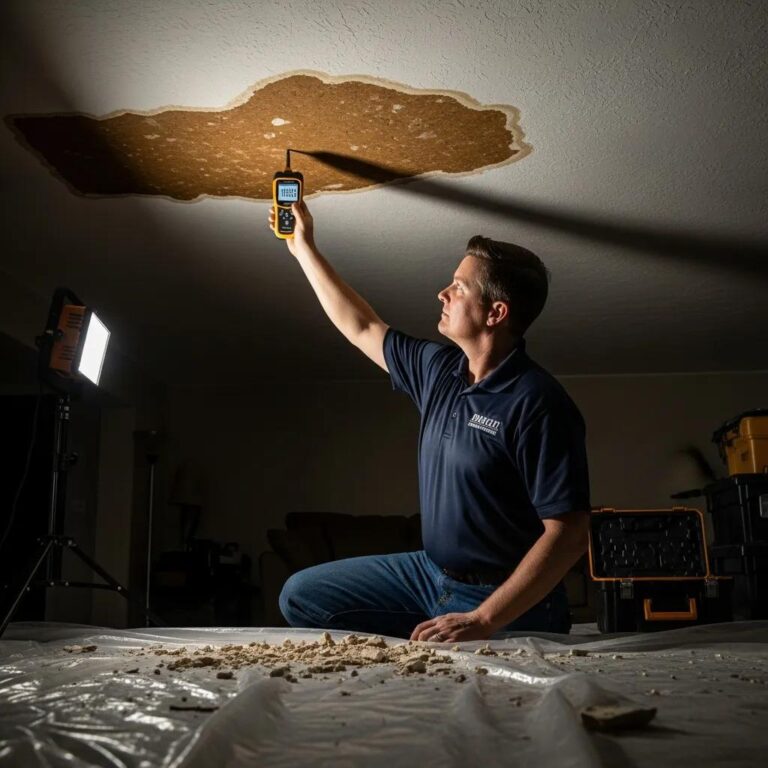
Leak detection — using thermal imaging, moisture mapping, and careful visual inspection — finds hidden water paths that would otherwise keep damaging materials wet. Dehumidification lowers relative humidity and accelerates drying, preventing secondary problems like mold growth and corrosion. Drying cycles vary by condition but often require several days of continuous equipment operation. Regular monitoring during dehumidification confirms materials reach equilibrium moisture content, and follow-up checks verify repairs. Early leak detection and steady dehumidification are central to a successful remediation strategy and long-term moisture control.
How Do Certified Technicians Ensure Quality Restoration?
Certified technicians follow industry standards to deliver consistent, safe, and effective restoration results. Certification reflects training in assessment, drying, and remediation protocols. Teams document initial conditions, set measurable drying goals, and use validated equipment and methods while maintaining containment and hygiene where needed. Quality assurance includes daily monitoring, photographic records, and final verification that moisture levels are within acceptable tolerances before reconstruction starts. This documented approach protects occupants and strengthens insurance claims with credible remediation records.
Effective Mold Remediation and Prevention by 24 Hour Flood Fighters
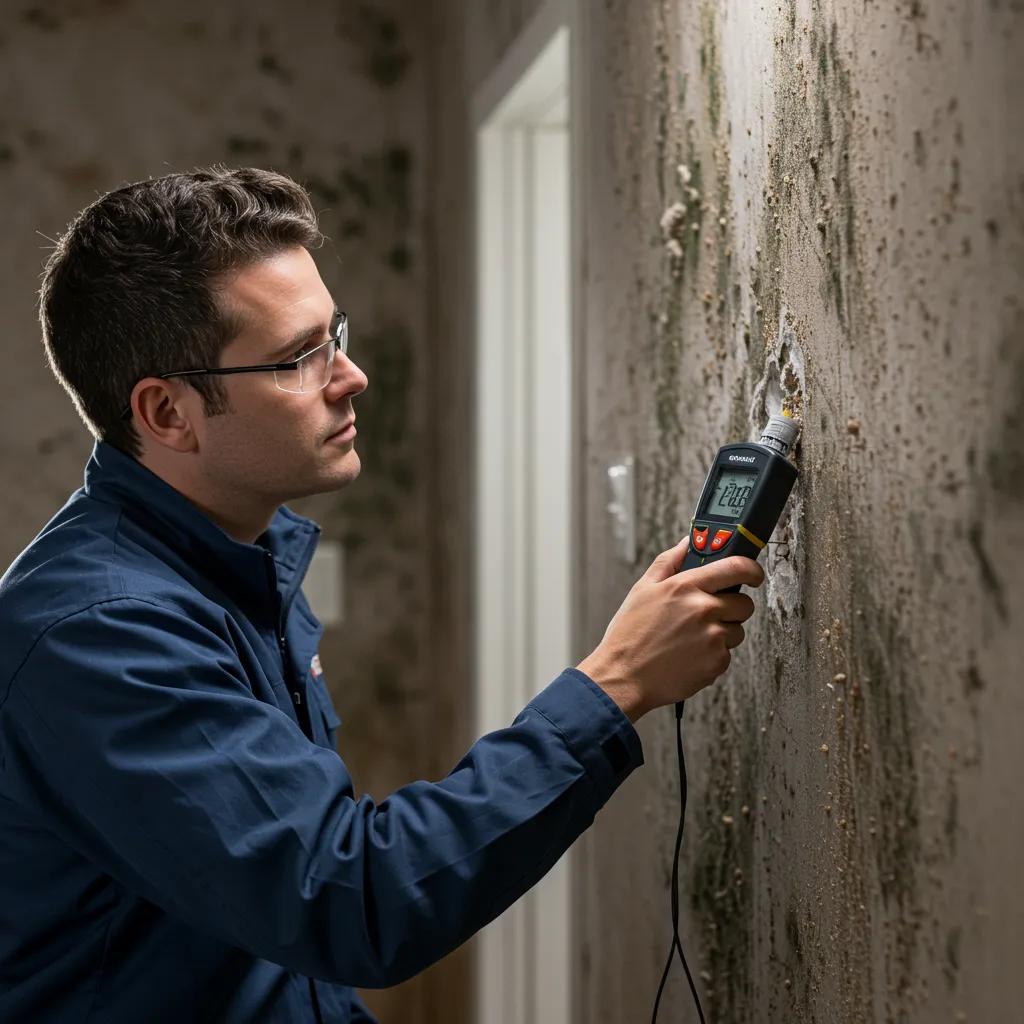
after a flood starts with a thorough inspection and scope assessment to identify affected areas, contamination level, and required containment. Remediation can include removing contaminated materials, HEPA vacuuming, antimicrobial cleaning, and controlled demolition when mold has rooted into building components — followed by reconstruction to remove reservoirs. Prevention focuses on moisture control: fixing leaks, upgrading ventilation, and using dehumidifiers to keep indoor relative humidity below recommended targets. The sections below cover signs of mold, step-by-step remediation, moisture-control tactics, and health considerations to help you decide when to call professionals.
What Are the Signs of Mold Growth Following Water Damage?
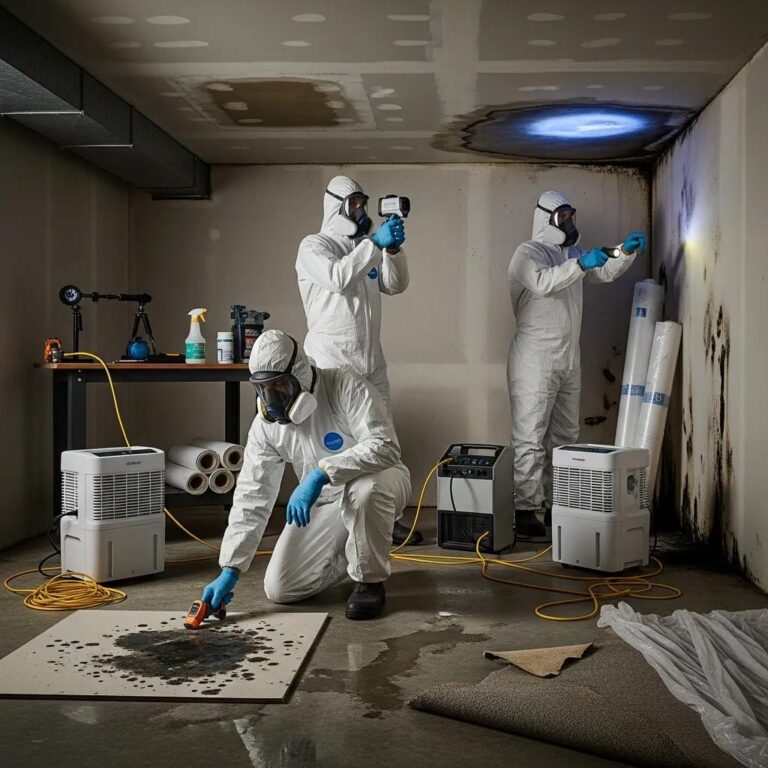
Mold shows up as visible staining — spots, discoloration, or fuzzy colonies — on walls, ceilings, and under flooring, often with a persistent musty odor that gets stronger in damp conditions. Occupants may notice allergy-like reactions (sneezing, wheezing, eye irritation) that worsen when they spend time in the affected space. Hidden mold can grow behind drywall or under carpets; moisture meters or infrared cameras often reveal elevated readings where surfaces look normal. If you see or smell these signs, document them and schedule a professional inspection to determine the extent and next steps.
- Visible staining or fuzzy growth on vulnerable surfaces.
- Persistent, musty odors that don’t go away.
- Recurring respiratory or allergy symptoms tied to time in the space.
Spotting these signs early speeds remediation and lowers health risks. The next section explains inspection and removal steps.
What Are the Steps for Effective Mold Inspection and Black Mold Removal?
A proper mold inspection begins with a visual survey, moisture mapping, and sampling when needed to identify species and contamination levels; this creates a clear scope of work for remediation. Remediation focuses on containment to prevent cross-contamination — using barriers and negative air pressure — then removes heavily contaminated porous materials and HEPA-cleans non-porous surfaces. Cleaning includes proven antimicrobial treatments and post-remediation checks (moisture readings and visual clearance) to confirm the space is safe to re-enter. Thorough documentation at every step protects health and supports insurance claims; professionals complete clearance testing when required.
Below is a quick comparison of common mold services and expected outcomes.
| Service | Inspection Method | Expected Outcome |
|---|---|---|
| Visual & Moisture Mapping | Infrared scans + moisture meters | Accurate scope, focused remediation |
| Containment & Removal | Barriers + negative air setups | Limits cross-contamination |
| HEPA Cleaning & Sanitization | HEPA vacuums + antimicrobial cleaners | Surface decontamination and odor reduction |
How Can Moisture Control Help Prevent Mold Recurrence?
Moisture control is the main way to stop mold from coming back. Mechanical fixes include installing ventilation fans, running dehumidifiers, and ensuring HVAC systems manage humidity. Simple habits — repairing leaks quickly, not overwatering indoor plants, and drying wet items promptly — complement mechanical measures to keep relative humidity in the recommended range. Structural fixes like regrading around foundations, sealing cracks, and keeping sump pumps maintained (with backups) reduce water ingress. Routine inspections and humidity monitoring create an early-warning system so small problems don’t turn into big mold issues.
What Are the Health Effects of Mold Exposure?
Mold exposure commonly causes upper respiratory symptoms — nasal congestion, throat and eye irritation — and can worsen asthma and other chronic respiratory conditions. Young children, older adults, and people with weakened immune systems face higher risks and should avoid heavily contaminated spaces until remediation is complete. Seek medical advice for persistent or severe symptoms, and prioritize remediation in occupied homes to lower exposure. Knowing the health risks helps property owners decide containment, clearance testing, and when to safely re-occupy.
What Storm Damage Repair Services Are Available in Nashville and Surrounding Areas?
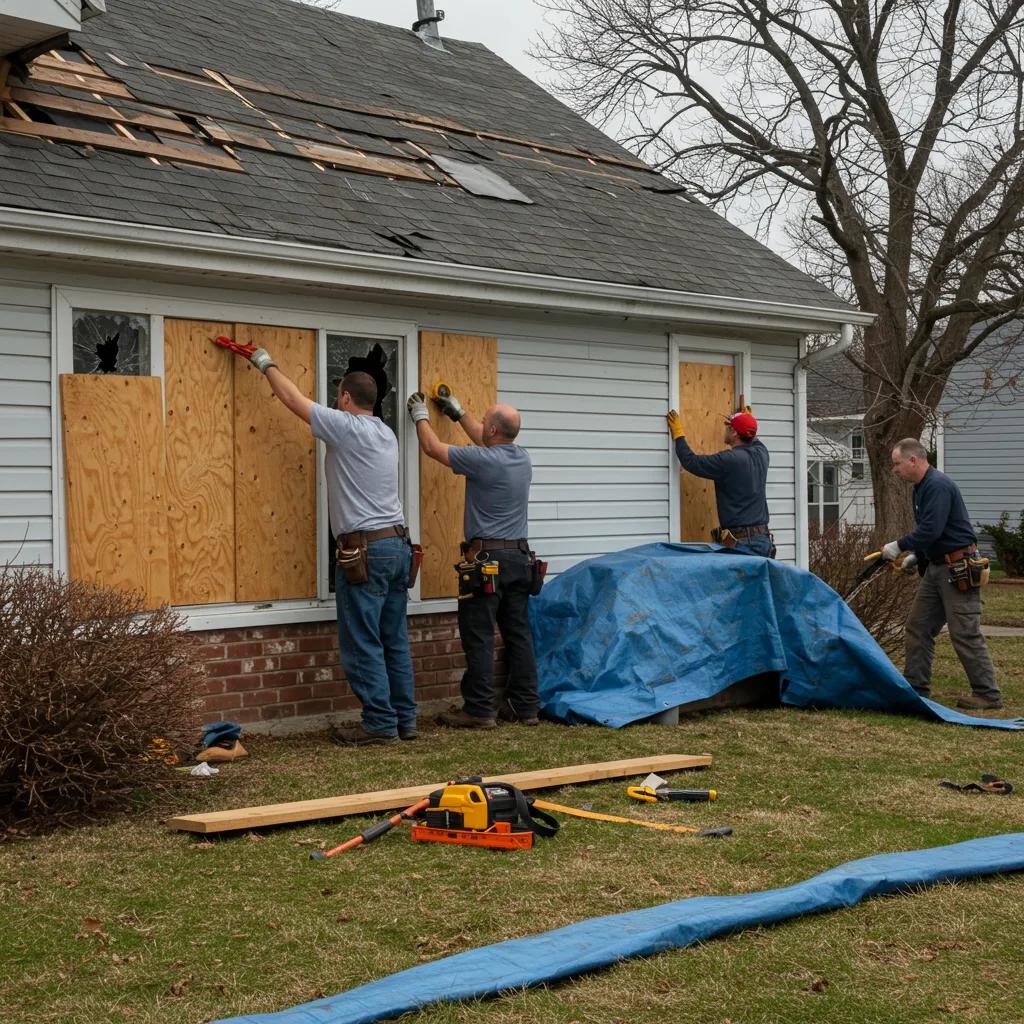
across Nashville and Middle Tennessee include emergency roof tarping, boarding up openings, floodwater cleanup, structural stabilization, and reconstruction to restore safe, habitable spaces. These services stop further water entry and security risks, then move into permanent repairs that fix both visible and hidden damage. Coordinating cleanup with structural assessments ensures temporary protections lead into complete repairs. The sections below detail the emergency protections, cleanup tasks, and local repair strategies we commonly use.
How Does Emergency Roof Tarping and Board-Up Protect Your Property?
Emergency roof tarping covers damaged roof areas with a water-resistant barrier to stop ongoing leaks and protect interior finishes until permanent repairs can be made. Board-up services secure broken windows and doors to reduce theft, vandalism, and wildlife entry while also preventing further water damage from open breaches. These temporary measures minimize interior exposure, cut mold risk, and create a safer environment for technicians and occupants during cleanup and restoration planning. Whether to tarp or proceed with full roof repair depends on insurance guidance, structural assessments, and current weather.
What Is Involved in Floodwater Cleanup and Post-Storm Recovery?
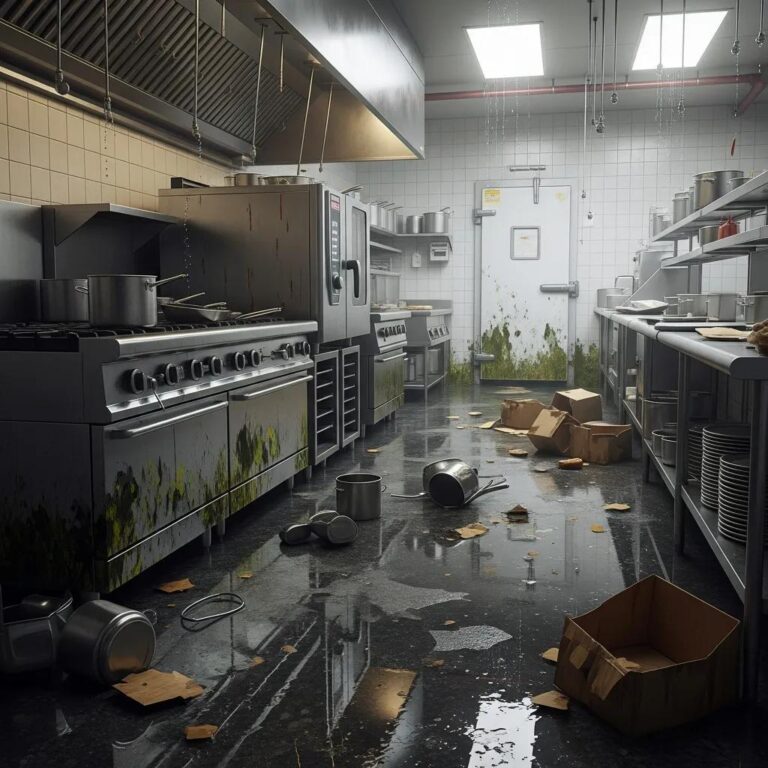
Floodwater cleanup follows a triage approach: confirm occupant safety and power isolation, remove standing water, sort and dispose of contaminated materials, begin drying and dehumidification, then sanitize salvageable surfaces and contents. Contaminated items like wet insulation, porous flooring, or saturated drywall often must be removed and replaced; non-porous items can sometimes be cleaned and returned. Coordinating contractors for structural repairs and remediation specialists for contaminated water scenarios is key to a safe, efficient recovery. Effective cleanup reduces secondary hazards like mold and electrical risks and sets the stage for reconstruction.
The table below outlines common emergency services, their purpose, and timeline/cost factors.
| Repair Service | Purpose | Typical Timeline / Cost Factors |
|---|---|---|
| Roof Tarping | Stop ongoing water entry | Immediate; access and roof complexity affect cost |
| Board-Up | Secure openings and deter theft | Immediate; materials and number of openings affect cost |
| Floodwater Cleanup | Remove water and dispose contaminated materials | Days to weeks; contamination level drives disposal costs |
How Do Storm Damage Repairs Restore Structural Integrity?
Repairing structural integrity starts with a full assessment of framing, load-bearing elements, and foundation components to determine stabilization and rebuilding steps. Work typically prioritizes framing and sheathing before finish work to ensure the building envelope and load paths are secure. Reconstruction teams coordinate with engineers when needed and with restoration technicians to sequence drying, repairs, and finishing. Proper staging and documentation support safe restoration and insurance claims that reflect the full scope of work.
How Can 24 Hour Flood Fighters Help With Water Damage Insurance Claims?
At 24 Hour Flood Fighters, we support homeowners and business owners by documenting mitigation actions, producing detailed restoration reports, and helping present evidence to insurance adjusters to . Our family-owned, locally operated Middle Tennessee team provides 24/7 emergency response and IICRC-certified technicians who follow industry standards for assessment, drying, and remediation documentation. Working with our crew, who document moisture maps, equipment logs, and photos, strengthens your claim and reduces disputes over mitigation needs or scope. The sections below outline required documentation, working with adjusters, and tips to streamline claims.
What Documentation Is Needed for Flood Damage Insurance Claims?
Gather time-stamped photos and videos of the damage, an itemized inventory of affected contents, receipts for emergency mitigation, and detailed restoration reports that include moisture readings and equipment logs. These documents show the extent of loss, prove reasonable mitigation, and support line items during adjuster reviews — which can speed resolution and cut denials. Keep digital backups and organize records chronologically to present a clear story to your insurer. Good documentation also helps contractors prepare accurate repair estimates and lets our restoration team tailor remediation to claim requirements.
- Photos and videos: Take timestamped images before cleanup begins.
- Inventory: List damaged contents with estimated values and receipts.
- Mitigation receipts and logs: Keep invoices and equipment/drying records.
Keeping these records makes claims easier and helps pros align remediation with insurer expectations, which we cover next.
How Do You Work Effectively with Insurance Adjusters?
Be organized, attend adjuster inspections to point out hidden damage, and provide restoration reports to support technical needs. Our team can present moisture maps, drying logs, and contamination assessments that explain why certain mitigation steps were necessary. Clear, proactive communication and sharing documentation reduce back-and-forth and help adjusters make informed coverage decisions. Contractor estimates provide credible cost baselines; working collaboratively speeds approval and supports accurate restoration outcomes.
What Tips Simplify the Water Damage Claim Submission Process?
File promptly and keep a running mitigation log with dates, actions taken, and receipts to show your timely efforts to reduce loss. Secure professional mitigation documentation — moisture maps and equipment invoices — to substantiate repair needs, and discuss estimates with your adjuster early to avoid scope disputes. Maintain open lines of communication with your insurer and our restoration team, and follow up in writing after inspections to confirm next steps. Proactive documentation and coordination shorten delays and increase the chance of a full settlement.
- File early and record every mitigation step.
- Use professional reports to back repair scopes.
- Communicate proactively with both the adjuster and the restoration team.
These practices shorten claim cycles and improve recovery outcomes. The next section covers prevention tips to reduce future flood and mold damage.
What Are the Best Prevention Tips to Minimize Flood and Mold Damage?
Prevention combines regular maintenance, seasonal preparation, and fast-response habits to cut the chance and severity of flood and mold events. Service sump pumps, insulate pipes, keep gutters and grading in good condition, and monitor indoor humidity to limit water entry and condensation. Seasonal checks before heavy rains, plus an emergency plan that includes how to safely shut off utilities, reduce response time and potential damage. The following subsections list specific actions to prevent basement flooding and pipe bursts, maintenance routines that lower mold risk, and why acting fast limits long-term impacts.
How Can Homeowners and Business Owners Prevent Basement Flooding and Pipe Bursts?
Prevent basement flooding by testing sump pumps monthly and adding battery backups, keeping gutters and downspouts clear and aimed away from the foundation, and grading landscapes to slope away from the building. Insulate exposed pipes (especially in unheated areas) and perform seasonal inspections to catch corrosion or wear that can cause bursts. In high-risk zones, consider sewer backflow preventers to reduce sewage backups during heavy rain. These steps address common failure points and make emergency water intrusion far less likely.
What Maintenance Practices Reduce Mold Growth Risks?
Keep HVAC systems serviced and filters changed, ensure high-moisture areas have proper ventilation, and run dehumidifiers in basements or crawlspaces to keep relative humidity in a safe range. Fix plumbing leaks promptly, inspect roof flashings and seals, and remove or replace porous materials that cannot be fully dried. Use humidity monitors and set seasonal maintenance schedules to catch issues early. These practices help maintain an indoor environment that discourages mold and protects occupants’ health.
How Does Quick Response Limit Long-Term Damage?
Fast mitigation breaks the chain from initial water intrusion to structural decay and mold colonization, improving salvage rates for building materials and contents and lowering total repair costs. Experience shows that extraction and drying within the first 24–48 hours greatly increase the chance of saving carpets, furniture, and finishes. Professional mitigation also produces documentation that supports insurance claims and shows reasonable efforts to limit loss. Acting quickly preserves more of your property and reduces disruption for occupants — which is why a rapid-response plan matters.
Which Areas in Middle Tennessee Does 24 Hour Flood Fighters Serve for Flood Cleanup and Restoration?
We help homeowners and businesses in Murfreesboro, Nashville, and nearby areas. We offer emergency water damage restoration, mold removal, and storm damage repair. Our services are designed for local needs. Our family-owned, IICRC-certified team emphasizes fast response to regional weather patterns and common local failure points like basements and older plumbing systems. Residential and commercial clients receive mitigation and documentation aligned with local insurance practices to speed recovery. The sections below summarize local services, differences between commercial and residential jobs, and why a local certified team matters.
What Water Damage Restoration Services Are Offered in Murfreesboro and Nashville?
in our area include emergency water extraction, structural drying and dehumidification, full mold inspection and remediation, and storm repairs such as roof tarping and board-up. Technicians perform moisture mapping, use HEPA filtration when needed, and document drying goals to support health outcomes and insurance claims. Our local experience with Middle Tennessee risks — seasonal storms, sump pump failures, and older plumbing — lets us tailor mitigation and prevention recommendations for faster, more efficient restoration.
How Are Commercial and Residential Properties Supported Across Middle Tennessee?
Commercial properties typically need larger equipment, longer drying cycles, and phased plans to reduce business interruption; these jobs often require coordination to keep operations running. Residential restorations focus on occupant safety, content salvage, and quick habitability restoration, with containment and clearance strategies designed for living spaces. Documentation needs differ: commercial claims may need detailed business-interruption and inventory records, while residential claims emphasize contents inventories and mitigation logs. Both property types benefit from certified technicians who scale resources and documentation to meet scope and insurer requirements.
Why Choose a Local, Family-Owned, IICRC-Certified Restoration Company?
A local, family-owned company delivers faster mobilization, community knowledge, and personal accountability, while IICRC certification ensures technicians follow recognized industry standards for restoration quality. Quicker arrival reduces water contact time and improves salvage chances, and local teams understand regional permitting and insurance practices that speed repairs. Choosing a certified local provider combines technical skill with community trust, delivering measurable advantages in response times, documentation, and communication.
- Local responsiveness: Faster arrival reduces long-term damage.
- Certified standards: IICRC certification ensures professional protocols.
- Community trust: Family-owned teams prioritize accountability.
Frequently Asked Questions
What should I do immediately after experiencing flood damage?
First, make safety your priority: turn off electricity in affected areas only if it’s safe, and evacuate if conditions are dangerous. Move valuables and important documents out of the wet area when possible and photograph or video the damage with timestamps for insurance. Call a professional water damage restoration service right away — within hours if you can — to begin mitigation and reduce long-term harm. Fast action limits structural damage and lowers the risk of mold.
How can I tell if my home has hidden water damage?
Hidden water damage often shows as musty odors, unexplained stains or discoloration, warped or buckled floors, or peeling paint. You may also notice increased allergy symptoms indoors. If you suspect hidden moisture, use a moisture meter or hire a professional for a full inspection — they can find elevated readings behind walls or under flooring that aren’t visible to the eye.
What are the long-term effects of mold exposure on health?
Long-term mold exposure can contribute to chronic respiratory issues — including worsened asthma, bronchitis, and persistent allergies — especially in people with pre-existing conditions or weakened immune systems. Some individuals report fatigue or neurological symptoms with prolonged exposure. Prompt remediation and medical advice for ongoing symptoms help protect occupants, especially children and the elderly.
How can I prepare my home for potential flooding?
Start by checking your property’s drainage and grading; keep gutters and downspouts clear and directed away from the foundation. Install sump pumps with battery backups in basements and consider flood barriers for vulnerable areas. Inspect and maintain plumbing regularly to prevent leaks, and create an emergency plan that lists evacuation routes and important contacts so your family is ready if a flood occurs.
What should I include in my flood damage insurance claim?
Include timestamped photos and videos, an itemized inventory of damaged items, and receipts for emergency mitigation actions. Professional restoration reports with moisture readings and equipment logs strengthen your claim. Organize everything chronologically to present a clear narrative to your insurer and speed the review process.
How often should I conduct maintenance to prevent water damage?
Inspect your property at least twice a year, focusing on moisture-prone areas like basements, attics, and around windows. Check plumbing, roofs, and gutters, and ensure drains are clear. Maintain HVAC systems and run dehumidifiers where needed. Seasonal checks before heavy-rain months catch problems early and reduce the risk of major water damage.
What are the benefits of hiring a professional restoration service?
Professional restoration services bring experience in assessing damage, access to advanced extraction and drying equipment, and expertise in mold remediation. They document the entire process — crucial for insurance — and respond quickly to limit long-term damage and health risks. Certified technicians follow industry standards, giving you confidence that your home or business will be restored safely and efficiently.
Conclusion
Understanding flood damage and the restoration process is crucial for protecting your property and health. By acting quickly and utilizing professional services, you can minimize long-term damage and reduce the risk of mold growth. Don’t wait for the next storm; take proactive steps to safeguard your home or business today. Explore our comprehensive restoration services to ensure your peace of mind during emergencies.