Water Damage Restoration in Franklin, TN: Your Guide to Expert Emergency Repair and Mold Remediation by 24 Hour Flood Fighters
When water invades your Franklin, TN home or business, quick action is essential. **24 Hour Flood Fighters** combines rapid emergency response, thorough structural drying, and effective mold remediation to protect your property from escalating damage and health risks. This guide will walk you through everything you need to know: from common local causes and the step-by-step restoration process to specialized repair services, the benefits of certified experts, prevention tips, and what to expect with costs and insurance.
Understanding how professionals like **24 Hour Flood Fighters** handle water extraction, the dehumidification services Franklin homeowners rely on, and how specialists monitor moisture during structural drying can significantly reduce permanent damage and prevent long-term mold growth. You’ll learn about common triggers like burst pipes and severe storms, what happens during emergency water removal, which specialized services tackle sewage or flood contamination, and how IICRC-certified practices lead to better outcomes and smoother insurance claims. We’ve also included practical prevention checklists to help you prioritize actions and budget effectively.
Facing Water Damage in Franklin, TN? Get Immediate Help!
Don’t let water damage escalate. Our IICRC-certified experts at 24 Hour Flood Fighters are ready to respond 24/7 with rapid emergency repair and comprehensive mold remediation services. Protect your property and peace of mind.
What Causes Water Damage in Franklin, TN Homes?
Water damage in Franklin, TN often stems from internal plumbing issues, appliance leaks, severe storms, and wastewater backups. Each type of incident creates unique restoration challenges that **24 Hour Flood Fighters** are equipped to handle. For instance, a burst pipe can cause sudden, high-volume flooding that saturates walls and floors, while a slow appliance leak might create hidden, chronic moisture that gradually degrades materials. External events like storm flooding can introduce contaminated water, requiring specialized cleanup and drying techniques. Older homes in historic areas, with their aging plumbing and roofs, are particularly vulnerable to long-term damage and mold, making early detection and targeted mitigation crucial to avoid costly reconstruction.
Here are the most common culprits, explained briefly to help you understand the immediate risks:
- Burst Pipes: A sudden failure in your plumbing can release large volumes of water quickly, saturating building materials and potentially weakening your home’s structure.
- Appliance Leaks: Slow, often hidden leaks from water heaters, washing machines, or dishwashers can create persistent dampness, fostering mold growth and material decay over time.
- Storms and River Flooding: Heavy rains and overflows from the Harpeth River can introduce contaminated floodwater, compromising foundations and basements.
- Sewage Backups: Blocked sewer lines can lead to hazardous “black water” contamination, requiring specialized personal protective equipment (PPE), containment, and disposal.
Knowing these common causes helps you take priority actions like shutting off your water, documenting the damage, and contacting emergency restoration professionals like **24 Hour Flood Fighters**. This leads us directly into the restoration workflow you should expect.
How Burst Pipes and Appliance Leaks Lead to Water Damage
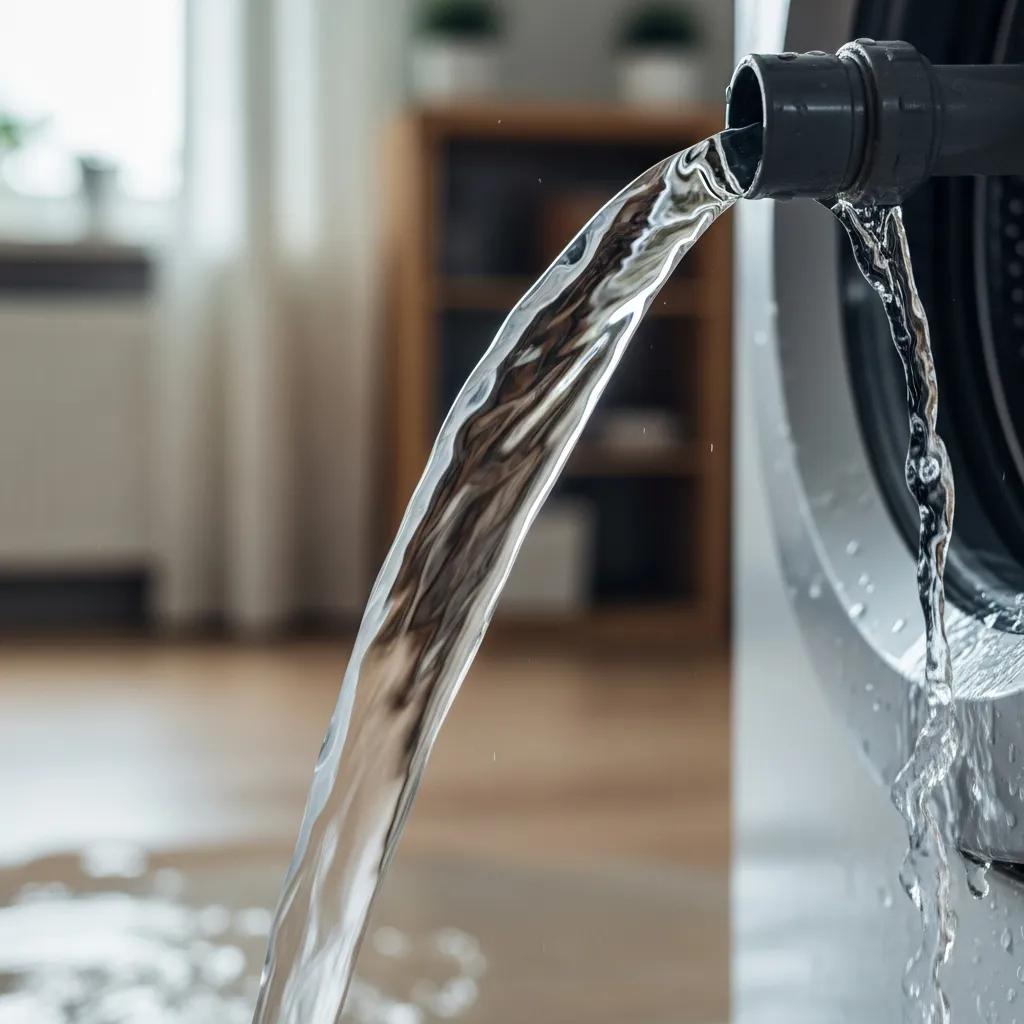
Burst pipes and appliance leaks cause water intrusion in different ways, which affects how quickly they’re detected and how you should respond. A burst pipe typically results in an abrupt, high-pressure release that quickly soaks large areas, often showing visible pooling, wet drywall, or warped flooring. Appliance leaks, however, are frequently slow, creating damp spots, stains, or odors that might go unnoticed until mold starts to appear.
Your immediate actions are crucial: shut off the main water supply, move valuables to dry areas, and photograph the damage for insurance purposes. These steps limit the spread of water and preserve documentation for your claim. **24 Hour Flood Fighters** crews use specialized water extraction equipment and moisture meters to find hidden saturation and begin structural drying promptly. Acting quickly reduces the need for extensive material replacement and significantly lowers the risk of mold.
Quick detection often relies on recognizing early signs like unexplained increases in your water bill, a persistent damp smell, or buckling floors. Responding to these cues reduces the scope and cost of restoration, setting the stage for emergency water removal and controlled drying to stabilize affected structures while moisture levels are carefully monitored.
The Impact of Storms and Flooding on Local Properties
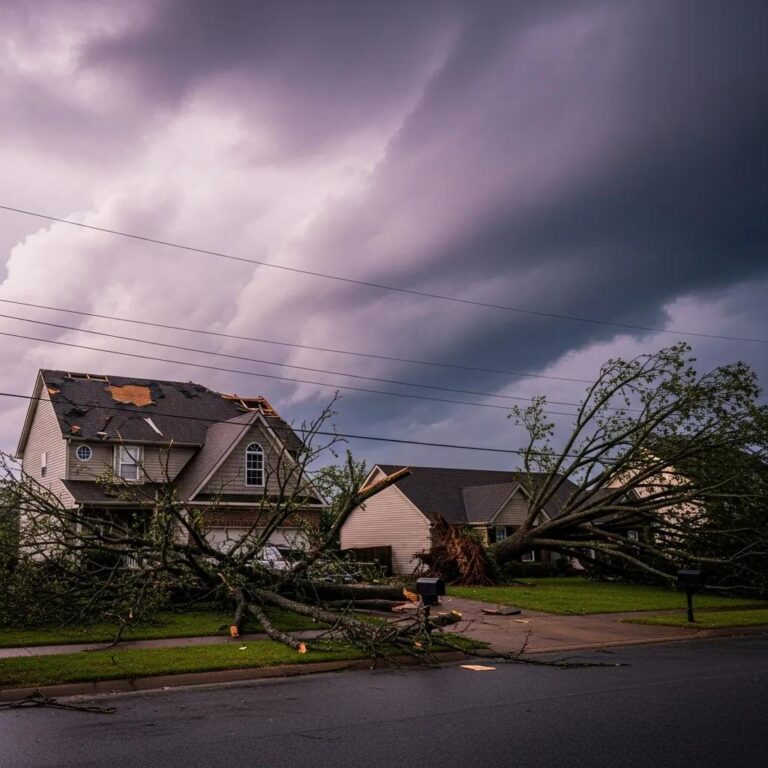
Storms and flooding in Franklin can range from minor basement seepage to widespread river overflows, and each level of severity dictates different cleanup protocols and contamination handling. Clean rainwater might just require drying and dehumidification services, but floodwater that mixes with soil or sewer systems becomes “gray” or “black” water, carrying pathogens and chemical contaminants. This type of water demands strict containment and specialized sanitation, a service expertly provided by **24 Hour Flood Fighters**.
Historic homes in Williamson County often feature absorbent materials like old plaster and hardwood, which retain moisture and deteriorate faster. This necessitates careful moisture mapping and selective demolition to preserve the home’s character while removing compromised elements. Seasonal storm patterns and proximity to waterways like the Harpeth River determine your flood exposure risk and help you decide if temporary flood barriers or future basement waterproofing are good investments.
Understanding water contamination categories and your property’s structural vulnerability helps you decide when to call professionals like **24 Hour Flood Fighters** for flood cleanup and to plan for more intensive repairs rather than just simple drying. This leads us to the detailed restoration process.
How Water Damage Restoration Works in Franklin, TN
The water damage restoration process in Franklin, TN, as executed by **24 Hour Flood Fighters**, follows a clear, structured sequence to ensure thorough and effective recovery. It typically involves five main stages: inspection and assessment, emergency water removal, structural drying and dehumidification, cleaning and sanitization, and finally, restoration and verification.
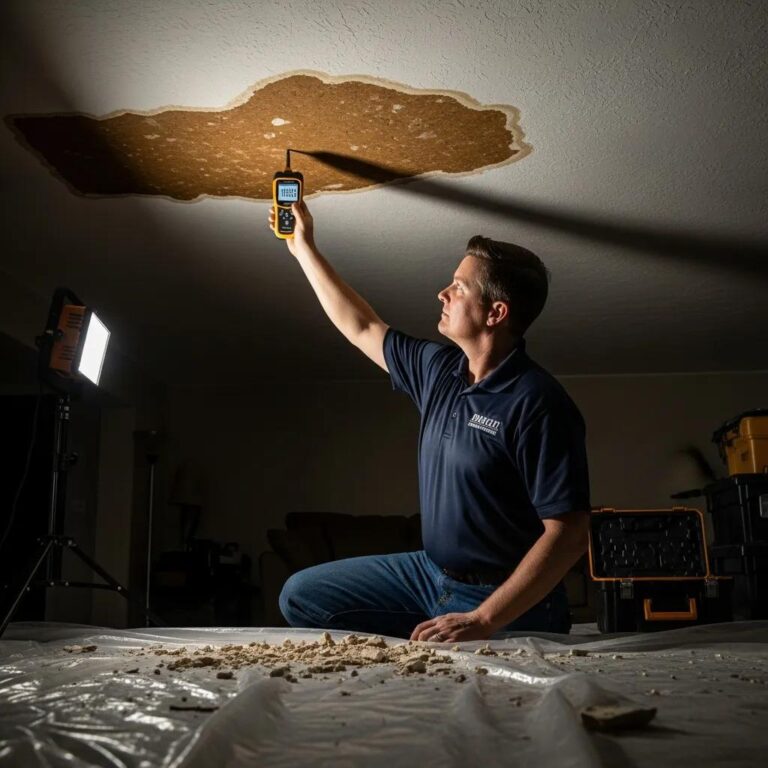
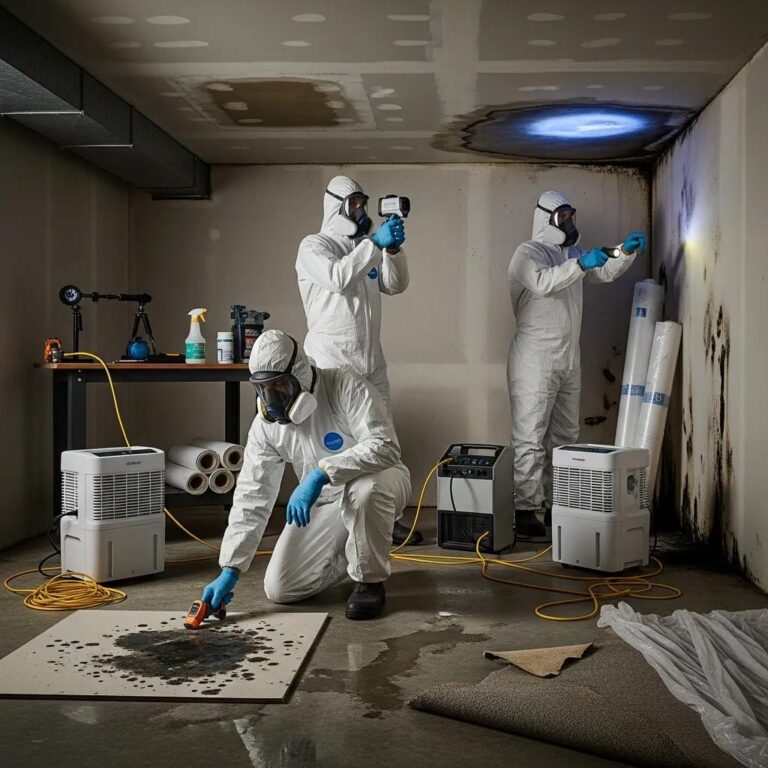
During the initial assessment, **24 Hour Flood Fighters** technicians use advanced tools like moisture meters and thermal imaging to map moisture, classify the water contamination level, and create a customized drying plan for your specific materials. Emergency water extraction uses powerful pumps and portable extractors to quickly remove standing water. After extraction, air movers and dehumidifiers accelerate evaporation, with technicians constantly monitoring moisture levels until they reach target goals. Cleaning and sanitization address contaminants and odors, and reconstruction restores your building’s systems and finishes. Final moisture readings verify that the remediation was successful.
This step-by-step approach minimizes mold risk and structural loss while meticulously documenting conditions for insurance purposes. Acting quickly at each phase shortens timelines and often lowers overall costs. Let’s dive into the equipment, techniques, and typical durations for each phase.
Emergency Water Removal and Structural Drying: The Key Steps
Stopping the Water and Initial Extraction
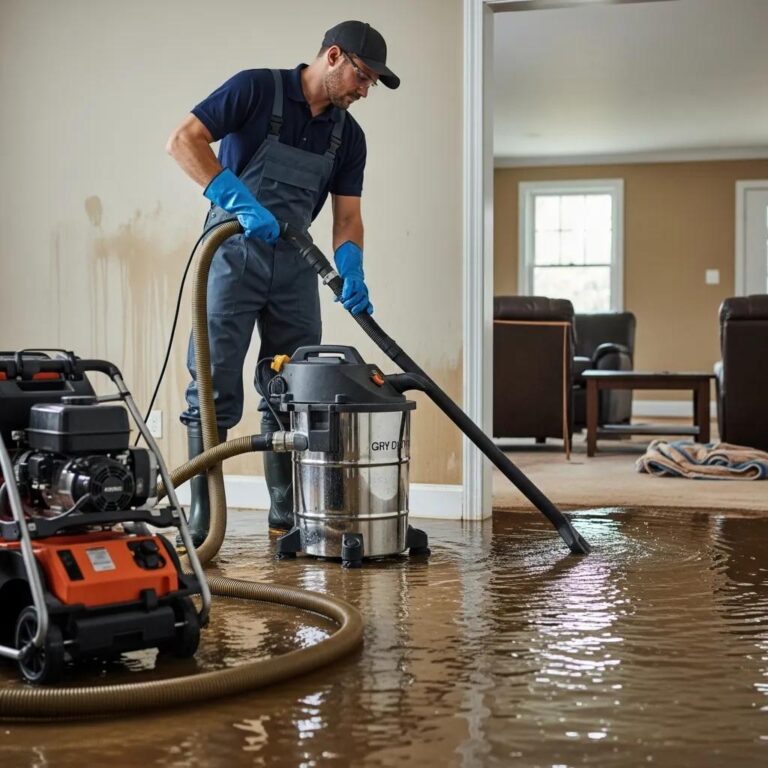
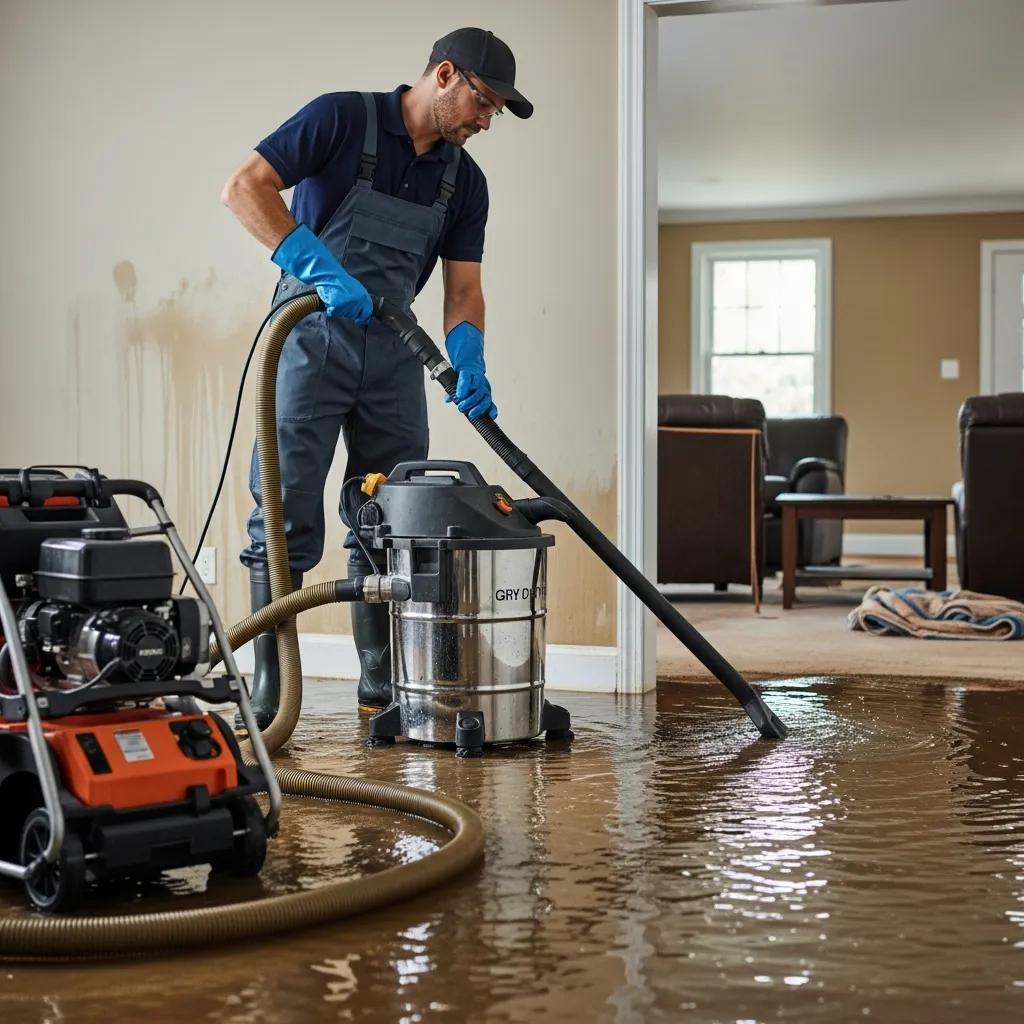
Emergency water removal by **24 Hour Flood Fighters** begins with containing the damage and controlling the source to stop more water from entering your property. This is immediately followed by mechanical extraction, using powerful equipment to remove standing water and reduce the hydrostatic pressure on your building materials.
The Drying Process
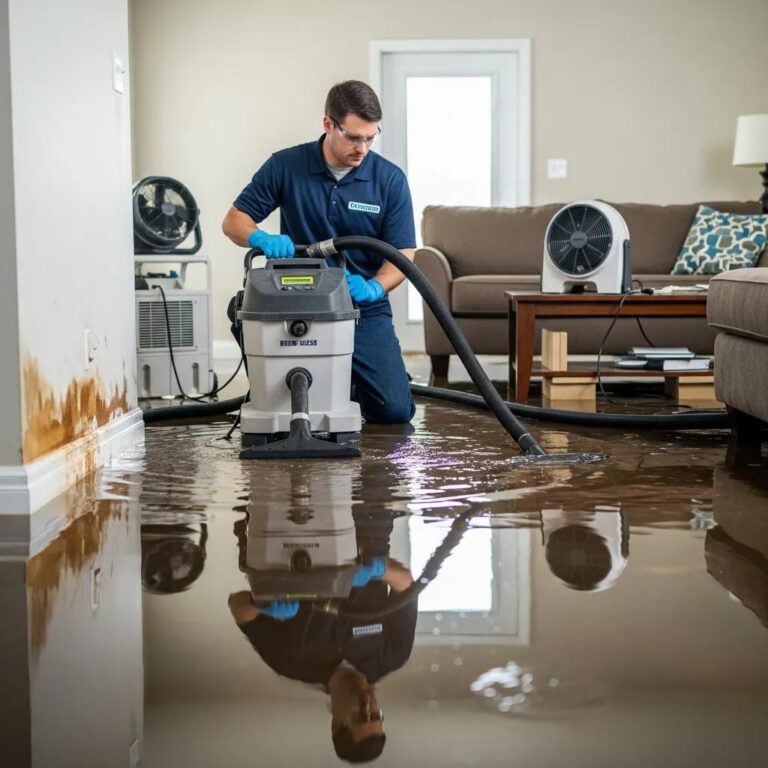
After extraction, structural drying kicks in. Air movers create high airflow across wet surfaces, while refrigerant or desiccant dehumidifiers remove moisture from the air. **24 Hour Flood Fighters** technicians constantly track relative humidity and the moisture content of materials until readings stabilize at healthy levels. Moisture meters and thermal imaging are crucial here, guiding targeted drying and revealing hidden pockets of saturation that could otherwise lead to mold.
Typical timelines vary with the severity of the incident: extraction might take a few hours, initial drying 24–72 hours, and complete moisture equilibrium several days to a week for moderate incidents. This highlights why speed and consistent monitoring are so important.
Consistent monitoring ensures that each step is fully completed before any reconstruction begins. This process also seamlessly integrates mold remediation if contamination or biological growth is present, which we’ll discuss next.
Integrating Mold Remediation to Prevent Health Risks

Mold remediation by **24 Hour Flood Fighters** becomes a critical part of the restoration process whenever moisture has lingered long enough for fungal growth to begin, or when contamination classes indicate biological hazards. The process starts with a thorough mold risk assessment and containment measures to prevent spores from spreading to unaffected areas. This is followed by the safe removal of affected materials, HEPA-filtered air scrubbing to clean the air, and washing or antimicrobial treatments for salvageable surfaces.
Before any finishing work resumes, clearance testing and moisture verification confirm that remediation has achieved acceptable air quality and moisture levels. Addressing mold early protects the health of occupants, preserves salvageable materials, and reduces the need for extensive reconstruction. This directly ties back to the importance of fast extraction and thorough drying in the earlier steps.
Clear documentation of mold findings and remediation steps is also vital for supporting insurance claims and helping homeowners make informed decisions about the scope of reconstruction.
Specialized Water Damage Repair Services in Franklin, TN
Franklin properties face a variety of water damage scenarios, from small appliance leaks to large-scale commercial floods and sewage backups. **24 Hour Flood Fighters** offers a comprehensive range of specialized restoration services to address these diverse needs. These services include:
- Emergency Water Extraction: For immediate removal of standing water. **24 Hour Flood Fighters** responders are typically available 24/7 and arrive within hours, using portable pumps, wet vacs, and extraction wands.
- Structural Drying & Dehumidification: To thoroughly dry out building materials. Active drying usually takes 24–72 hours, utilizing air movers, refrigerant/desiccant dehumidifiers, and moisture meters.
- Flood Cleanup (Contaminated Water): For situations involving water that has contacted soil or sewage. Same-day response is recommended, requiring PPE, containment barriers, antimicrobial treatments, and specialized disposal.
- Sewage Backup Cleanup: For hazardous black water events. Immediate to same-day response is crucial, involving sanitation crews, strict black-water protocols, HEPA filtration, and odor control.
- Targeted Mold Remediation: To safely remove and prevent mold growth.
- Burst Pipe Repair Coordination: Working with plumbing trades to fix the source of the leak.
- Commercial Flood Restoration: For businesses facing large-scale water damage. This involves rapid mobilization, large-capacity pumps, industrial dehumidifiers, and comprehensive project management.
- Odor Removal: To eliminate lingering smells from water damage and mold.
Each service employs specific equipment—from air movers and dehumidifiers to thermal imaging and containment barriers—to match the damage profile and contamination level, ensuring effective restoration by **24 Hour Flood Fighters**.
What Flood Cleanup and Sewage Backup Removal Involve
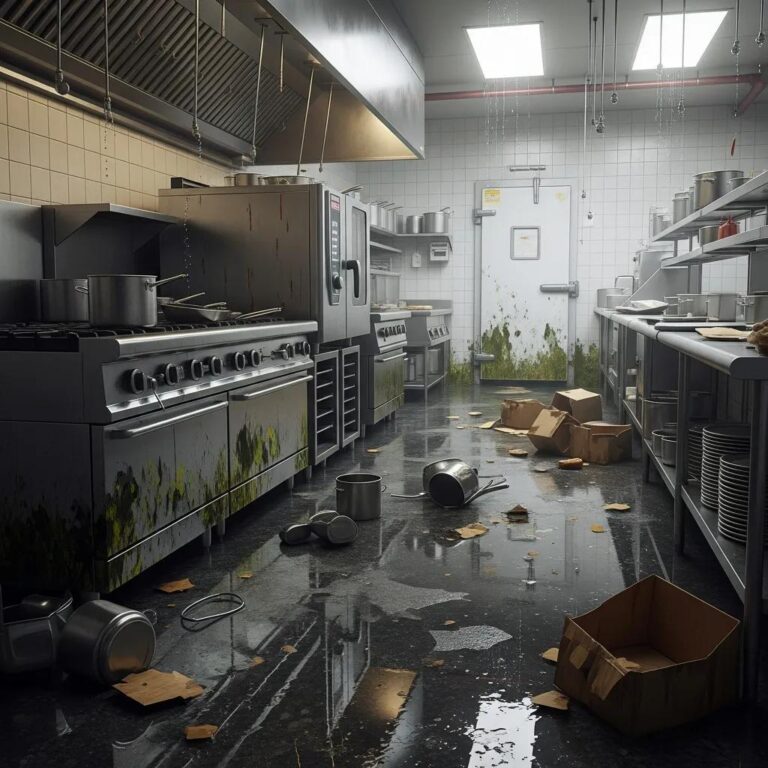
Flood cleanup and sewage backup removal by **24 Hour Flood Fighters** demand strict safety protocols because contaminated water carries significant biological hazards and potentially hazardous materials. Technicians first classify the water (clean, gray, or black) to determine the necessary personal protective equipment (PPE), containment strategies, and disposal procedures. Black water, from sewage or flood runoff, typically requires the removal of porous materials, thorough disinfection, and controlled disposal of contaminated debris.
The cleanup sequence includes securing the affected area, extraction, careful waste handling, comprehensive surface and HVAC sanitation, and then rebuilding or selectively replacing damaged components. Homeowners should never attempt DIY cleanup for black water events, as improper handling dramatically increases health risks and could jeopardize insurance coverage. This underscores the importance of certified restoration practices and thorough documentation provided by **24 Hour Flood Fighters**.
Following sanitation and clearance testing, reconstruction planning begins to restore your property’s habitability and structural integrity.
Handling Burst Pipe Repairs and Commercial Water Damage
Addressing burst pipe repairs and commercial water damage requires close coordination between **24 Hour Flood Fighters** restoration technicians and licensed trades. The goal is to stop leaks, perform structural drying, and execute repairs or rebuilds with minimal disruption to operations.
For residential burst pipes, temporary mitigation might involve shutting off valves and localized drying while plumbers replace the failed pipes. For commercial incidents, larger equipment, staged remediation, and business-continuity planning are common strategies to limit revenue loss. Meticulous documentation for insurance and careful sequencing—temporary repairs, drying, then permanent repairs—ensure costs are controlled and critical systems like electrical, HVAC, and finished interiors are restored safely. Clear communication among property owners, **24 Hour Flood Fighters** teams, and contractors is essential for aligning schedules and approvals for efficient repair and reopening.
Effective handling of these scenarios reduces long-term structural damage and supports smoother insurance outcomes, topics we’ll explore further in the sections on certification and claims.
24 Hour Flood Fighters: Restoring Water Damage in Franklin, TN
Choosing IICRC-certified restoration technicians like those at **24 Hour Flood Fighters** means you’re selecting professionals who adhere to rigorous industry standards. These standards promote consistent assessment, effective drying protocols, and documented procedures that both insurers and homeowners recognize as best practices. Certification signifies that technicians have received specialized training in moisture control, structural drying, and contamination handling, ensuring that remediation follows scientifically grounded methods like moisture mapping and controlled drying rates.
Certified teams at **24 Hour Flood Fighters** also commonly provide 24/7 emergency water restoration services, which significantly reduces secondary damage and mold risk through rapid response. Crucially, these providers typically produce the detailed technical documentation—including moisture readings, drying goals, and remediation reports—that insurers value during claims review. This can greatly smooth approval and settlement processes.
Selecting certified professionals ensures that restoration actions align with recognized standards, leading to better long-term outcomes. This is further reinforced by understanding the benefits of rapid availability and their role in insurance liaison work.
The Benefits of 24/7 Emergency Water Restoration Services
Round-the-clock emergency restoration services from **24 Hour Flood Fighters** are invaluable because they minimize the time water remains in your materials, directly reducing structural degradation and preventing mold colonization. Fast arrival allows for immediate source control, rapid water extraction, and the early commencement of drying. This typically lowers the total restoration scope and cost compared to delayed mitigation efforts.
When **24 Hour Flood Fighters** technicians arrive, you can expect them to prioritize safety, secure utilities, and begin containment immediately. They will also provide an estimated timeline for drying and repairs. Immediate mitigation also preserves crucial documentation from the earliest moments on-site, strengthening insurance records and expediting claims. This direct link between rapid response and better financial and health outcomes highlights the critical value of 24/7 services.
Understanding these benefits helps homeowners weigh the value of rapid professional dispatch against the risks of delayed DIY fixes, and prepares them to take effective immediate steps before technicians arrive.
How Certified Technicians Assist with Insurance Claims
Certified technicians from **24 Hour Flood Fighters** play a vital role in assisting with insurance claims by providing clear, standardized documentation. This includes initial moisture maps, comprehensive photographic records, contamination classifications, detailed scopes of work, and ongoing moisture logs throughout the drying process. This thorough documentation clearly demonstrates the scope and necessity of mitigation, helping adjusters evaluate damage accurately without guesswork, which can reduce back-and-forth communication and potential claim denials.
**24 Hour Flood Fighters** technicians can also explain technical terms, meet adjusters on-site for walkthroughs, and provide estimates that align with industry-standard practices, improving transparency. While homeowners should always keep their own records—photos, timelines, and expense receipts—certified documentation often accelerates approvals and clarifies repair priorities for both parties.
This liaison role reduces friction in the claims process and increases the chance of a timely settlement, guiding homeowners toward better restoration decisions.
Preventing Water Damage and Reducing Restoration Costs for Franklin Homeowners
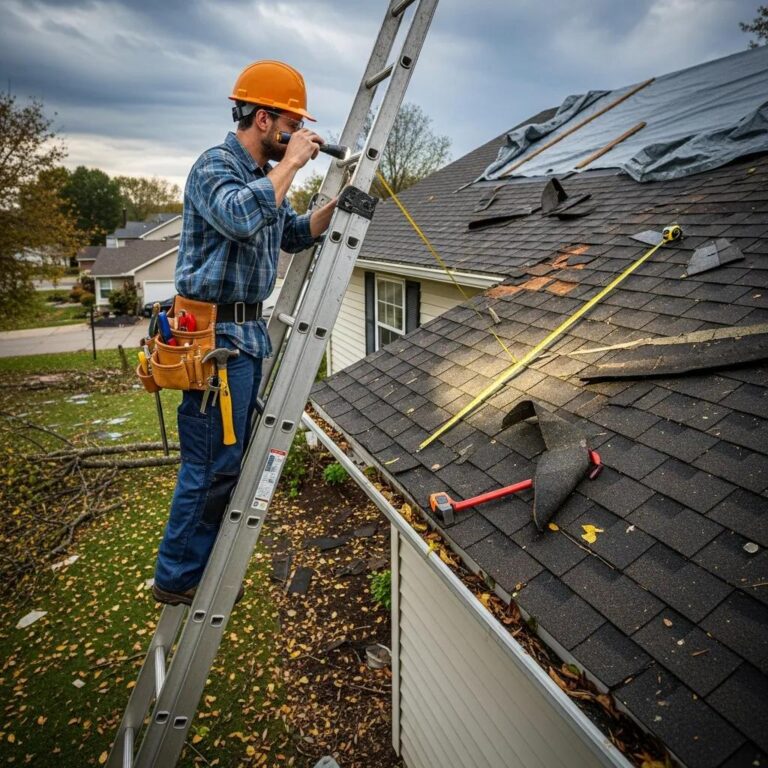
Preventing water damage primarily involves taking targeted measures in high-risk areas—such as basements, attics, plumbing appliances, and rooflines—and implementing early detection strategies to catch problems before they require major restoration. Routine tasks like inspecting and maintaining gutters and downspouts, checking sump pumps and their battery backups, scheduling regular plumbing and appliance inspections, and ensuring proper grading away from your foundation are all crucial. **24 Hour Flood Fighters** can also provide guidance on preventative measures.
Early detection through moisture sensors, routine visual inspections, and even thermal imaging can identify leaks before mold has a chance to establish itself, which is especially important for preserving historic materials in Williamson County properties. Prioritizing these preventative steps significantly reduces the probability of catastrophic events and lowers the scope and associated costs of restoration.
Here’s a breakdown of common risk areas, preventative measures, and their estimated benefits to help you prioritize your investments:
- Basement:
- Preventative Measure: Install and regularly maintain a sump pump with a battery backup.
- Estimated Impact / Benefit: Significantly reduces flooding risk and the need for emergency repairs.
- Appliances:
- Preventative Measure: Inspect hoses and connections for water heaters, washing machines, and dishwashers annually.
- Estimated Impact / Benefit: Prevents slow leaks that can cause hidden mold and material damage over time.
- Roof & Gutters:
- Preventative Measure: Clean gutters regularly and repair any damaged flashing or shingles.
- Estimated Impact / Benefit: Lowers the chance of attic leaks and water infiltration into your home during storms.
- Foundation Grading:
- Preventative Measure: Ensure the soil around your home slopes away from the foundation.
- Estimated Impact / Benefit: Limits hydrostatic pressure and prevents basement seepage.
- Preventative Measure: Install and regularly maintain a sump pump with a battery backup.
- Estimated Impact / Benefit: Significantly reduces flooding risk and the need for emergency repairs.
- Preventative Measure: Inspect hoses and connections for water heaters, washing machines, and dishwashers annually.
- Estimated Impact / Benefit: Prevents slow leaks that can cause hidden mold and material damage over time.
- Preventative Measure: Clean gutters regularly and repair any damaged flashing or shingles.
- Estimated Impact / Benefit: Lowers the chance of attic leaks and water infiltration into your home during storms.
- Preventative Measure: Ensure the soil around your home slopes away from the foundation.
- Estimated Impact / Benefit: Limits hydrostatic pressure and prevents basement seepage.
Effective Strategies for Preventing Basement and Structural Water Damage
Protecting your basement and foundation starts with exterior grading to divert surface water away from the foundation and proper gutter/drainage maintenance to prevent water from pooling near your walls. Installing a reliable sump pump with a battery backup and testing it regularly is key to mitigating groundwater intrusions. Interior sealants and perimeter drainage systems can provide additional defense against seepage.
For homes with finished basements, water alarms and moisture sensors can alert you to slow leaks, allowing for early intervention before mold growth or structural decay occurs. If initial measures indicate persistent issues, it’s wise to call a specialist like **24 Hour Flood Fighters** to evaluate options like interior French drains or exterior waterproofing to prevent chronic damage.
These measures not only reduce the likelihood of emergency restoration calls but can also significantly lower long-term maintenance costs and insurance exposure.
How Early Detection Saves Money and Protects Historic Homes
Early detection is a powerful money-saver because it allows you to address minor leaks before they escalate into costly structural rot, extensive mold remediation, or major reconstruction. For historic homes in Franklin and Williamson County, which often contain older, more fragile materials that deteriorate quickly when exposed to moisture, early inspection with moisture meters and thermal imaging by professionals like **24 Hour Flood Fighters** is crucial. This approach helps preserve original features by targeting repairs to localized areas.
Routine inspections—such as seasonal roof checks and annual plumbing evaluations—coupled with inexpensive sensors can help you avoid expensive restorations. Investing in early detection yields high returns through reduced repair scope and the preservation of character-defining elements that are costly or even impossible to replace.
Proactive monitoring also creates a valuable record of maintenance that supports insurance discussions and demonstrates responsible stewardship of older properties.
Typical Costs and Insurance Considerations for Water Damage Repair in Franklin, TN
The costs for water damage restoration by **24 Hour Flood Fighters** vary significantly based on the severity of the damage, the level of water contamination, the affected square footage, and the extent of reconstruction required. Homeowners should expect a broad range rather than a single fixed fee until an on-site assessment can be performed. Minor incidents typically involve extraction and drying with limited material replacement, while moderate events might add structural repairs and mold remediation. Severe or “black-water” incidents often require full demolition and rebuilds.
Insurance coverage depends heavily on your specific policy. Sudden accidental water events are commonly covered, but damage resulting from gradual neglect often is not. Therefore, immediate mitigation and thorough documentation are crucial to support your claim.
Here’s a breakdown of common cost drivers and typical ranges to help homeowners budget for repairs:
- Severity:
- Minor (isolated leak): Lower costs, typically involving extraction, drying, and limited repairs.
- Moderate (some material replacement): Increased costs due to more extensive drying, material removal, and initial reconstruction.
- Severe (structural damage, black water): Substantially higher costs due to extensive demolition, specialized disposal, and full rebuilding needs.
- Contamination Level:
- Clean vs. Black Water: Black water incidents sharply increase costs due to the need for specialized disposal, extensive sanitization, and often more comprehensive reconstruction.
- Affected Square Footage:
- Area Affected: Larger affected areas directly multiply labor, equipment, and reconstruction expenses.
- Structural Repair:
- Required Reconstruction: Rebuilds and finish work add substantial material and labor costs.
- Mold Remediation:
- Extent of Growth: Containment, specialized cleaning, and clearance testing add to the overall restoration fees.
- Minor (isolated leak): Lower costs, typically involving extraction, drying, and limited repairs.
- Moderate (some material replacement): Increased costs due to more extensive drying, material removal, and initial reconstruction.
- Severe (structural damage, black water): Substantially higher costs due to extensive demolition, specialized disposal, and full rebuilding needs.
- Clean vs. Black Water: Black water incidents sharply increase costs due to the need for specialized disposal, extensive sanitization, and often more comprehensive reconstruction.
- Area Affected: Larger affected areas directly multiply labor, equipment, and reconstruction expenses.
- Required Reconstruction: Rebuilds and finish work add substantial material and labor costs.
- Extent of Growth: Containment, specialized cleaning, and clearance testing add to the overall restoration fees.
How Much Does Water Damage Restoration Usually Cost?
Typical restoration costs directly correlate with the incident’s severity. Small-scale clean water events, like an appliance leak, may be relatively modest, limited to drying and light repairs. Moderate incidents requiring material replacement and some reconstruction will increase costs. Severe contaminated water or structural failures, however, escalate costs substantially due to the need for demolition and rebuilding.
Exact pricing always requires an on-site inspection because hidden saturation and contamination can dramatically alter the scope of work. Homeowners should always request detailed scopes of work, moisture logs, and itemized estimates from **24 Hour Flood Fighters** to compare options and avoid surprises. Getting multiple assessments when feasible ensures accurate budgeting and helps identify the most appropriate restoration pathway.
Transparent documentation at each stage also supports insurance reimbursement and helps prioritize repairs by urgency and cost-efficiency.
Navigating Insurance Claims After Water Damage
Navigating insurance claims effectively begins with immediate notification to your insurer, prompt mitigation to limit further damage, and thorough documentation of conditions and all actions taken. Keep dated photos, videos, mitigation receipts, and restoration documentation such as moisture maps and the scope of work provided by **24 Hour Flood Fighters**. These items form the backbone of a persuasive claim.
Be prepared to meet adjusters on-site, provide copies of technician reports, and clearly explain the sequence of events to support coverage for sudden incidents. It’s crucial to avoid delaying mitigation—insurers may deny claims if damage results from neglect. Maintain a clear record of all communications and approvals throughout the entire process.
Working with certified technicians from **24 Hour Flood Fighters** who provide standardized documentation and technical explanations can significantly smooth adjuster reviews and reduce claim processing time, ultimately improving restoration outcomes and your financial recovery.
Frequently Asked Questions (FAQ) About Water Damage Restoration
How quickly should I act after discovering water damage?
Immediately! The faster you act, the less damage will occur. Water can cause significant damage and lead to mold growth within 24-48 hours. Shut off the water source, if possible, and call **24 Hour Flood Fighters** right away for professional restoration service.
Is mold always a concern after water damage?
Yes, mold is a significant concern. If moisture persists for more than 24-48 hours, mold can begin to grow. Professional restoration by **24 Hour Flood Fighters** includes thorough drying and, if necessary, mold remediation to prevent health risks and further damage.
Will my homeowner’s insurance cover water damage?
Coverage depends on your specific policy and the cause of the water damage. Most policies cover sudden and accidental events (like a burst pipe). However, damage from gradual leaks or neglect is often not covered. Always notify your insurer immediately and document everything. **24 Hour Flood Fighters** can assist with documentation for your claim.
What does “IICRC-certified” mean?
IICRC stands for the Institute of Inspection, Cleaning and Restoration Certification. It means technicians have undergone rigorous training and adhere to industry-recognized standards for water damage restoration, mold remediation, and other services. Choosing IICRC-certified professionals like **24 Hour Flood Fighters** ensures quality and helps with insurance claims.
Can I dry out my home myself after water damage?
For very minor, clean water spills, you might be able to dry it yourself. However, for anything more significant, especially involving contaminated water or large areas, professional help from **24 Hour Flood Fighters** is strongly recommended. Professionals have specialized equipment to detect hidden moisture and dry materials thoroughly, preventing long-term issues like mold and structural damage.
Conclusion: Your Partner in Water Damage Recovery
Water damage can be a stressful and overwhelming experience for any homeowner or business in Franklin, TN. However, with the right knowledge and a swift response, you can significantly mitigate the impact. Remember that immediate action, understanding the cause of the damage, and engaging IICRC-certified professionals like **24 Hour Flood Fighters** are your best defenses against escalating costs, structural issues, and health risks like mold.
By prioritizing prevention, knowing what to expect from the restoration process, and understanding how to navigate insurance claims, you empower yourself to protect your property effectively. When water strikes, don’t hesitate to reach out to **24 Hour Flood Fighters** for expert emergency repair and mold remediation services. They are your trusted partners in restoring your property and peace of mind.
Further Resources
Helpful Resources
- IICRC (Institute of Inspection, Cleaning and Restoration Certification) – Learn more about industry standards and certifications.
- EPA Guide to Mold in Your Home – Information on mold prevention and cleanup from the Environmental Protection Agency.
- FEMA Flood Insurance Information – Resources on flood preparedness and insurance from the Federal Emergency Management Agency.
Additional Info from 24 Hour Flood Fighters
- Contact 24 Hour Flood Fighters – Our Emergency Restoration Team – Get immediate help for water damage.
- Explore Our Mold Remediation Services – Learn more about how we tackle mold.
- About Our Certified Technicians at 24 Hour Flood Fighters – Discover the expertise behind our services.