Why Holiday Lights Start House Fires — How to Prevent Them and Recover Safely
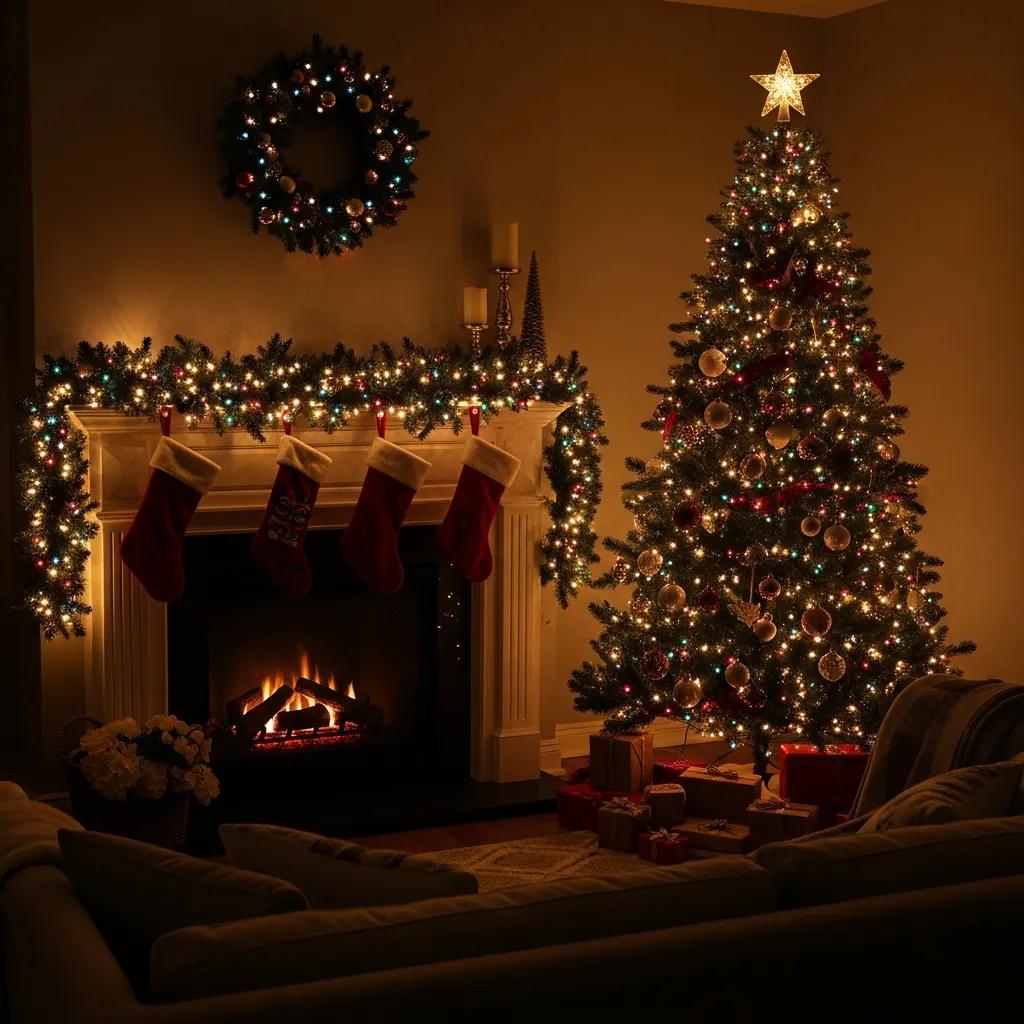
Holiday lights can cause house fires when electrical failures or improper installation allow heat to ignite nearby materials. This guide explains why holiday light fires happen and how overloaded circuits or damaged wiring create risk. You’ll learn simple inspection and installation tips to reduce fire hazards in your home. We also cover the dangers of dry trees and flammable holiday decorations.
An easy emergency checklist explains what to do if a fire occurs.The guide explains how firefighting can cause water damage inside your home.It also shows why fast professional restoration helps prevent mold and structural damage. Local recovery guidance is included for homeowners in Nashville and Murfreesboro.
Numbers make the risk clear — here’s how often lights factor into home structure fires.
Holiday Lights & Home Structure Fire Statistics
Holiday lights and other decorative lighting with line voltage were involved in an estimated average of 150 home structure fires.
Home Christmas tree and holiday light fires, 2007
What Are the Main Causes of Holiday Light Fires?
Holiday light fires most often start when an electrical fault meets a combustible fuel and enough heat to ignite materials. Common culprits include overloaded circuits, frayed wiring, and using indoor-only lights outside. Knowing these root causes helps you focus inspections and fixes so you can lower risk before decorations go up. Below is a concise list of the top hazards to watch for during setup and daily use. These are ranked by the threat they pose and how fast incidents can escalate.
- Overloaded electrical circuits: Putting several high‑wattage strands on one circuit causes excessive heat and tripped breakers.
- Damaged or frayed light strands: Exposed wires or missing insulation raise the chance of short circuits and arcing.
- Proximity to heat sources and dry trees: Lights close to heaters or dry needles can ignite combustible materials quickly.
- Improper indoor/outdoor misuse of lights: Using indoor-rated strands outdoors exposes them to moisture and movement that can create shorts.
- Overloaded circuit: Frequent breaker trips, warm outlets, or many plugs on one strip. High risk.
- Damaged light strand: Frayed insulation, exposed wires, broken bulbs, or loose sockets. High risk.
- Dry tree/near heat: Brown, brittle needles or placement within three feet of heaters. High risk.
- Improper indoor/outdoor use: “Indoor only” lights used outside or lack of outdoor‑rated cords. Medium risk.
This comparison helps you decide what to fix first and what to manage with better installation practices. Next we explain how overloaded circuits actually lead to fires and what signs to monitor.
How Do Overloaded Electrical Circuits Lead to Fires?
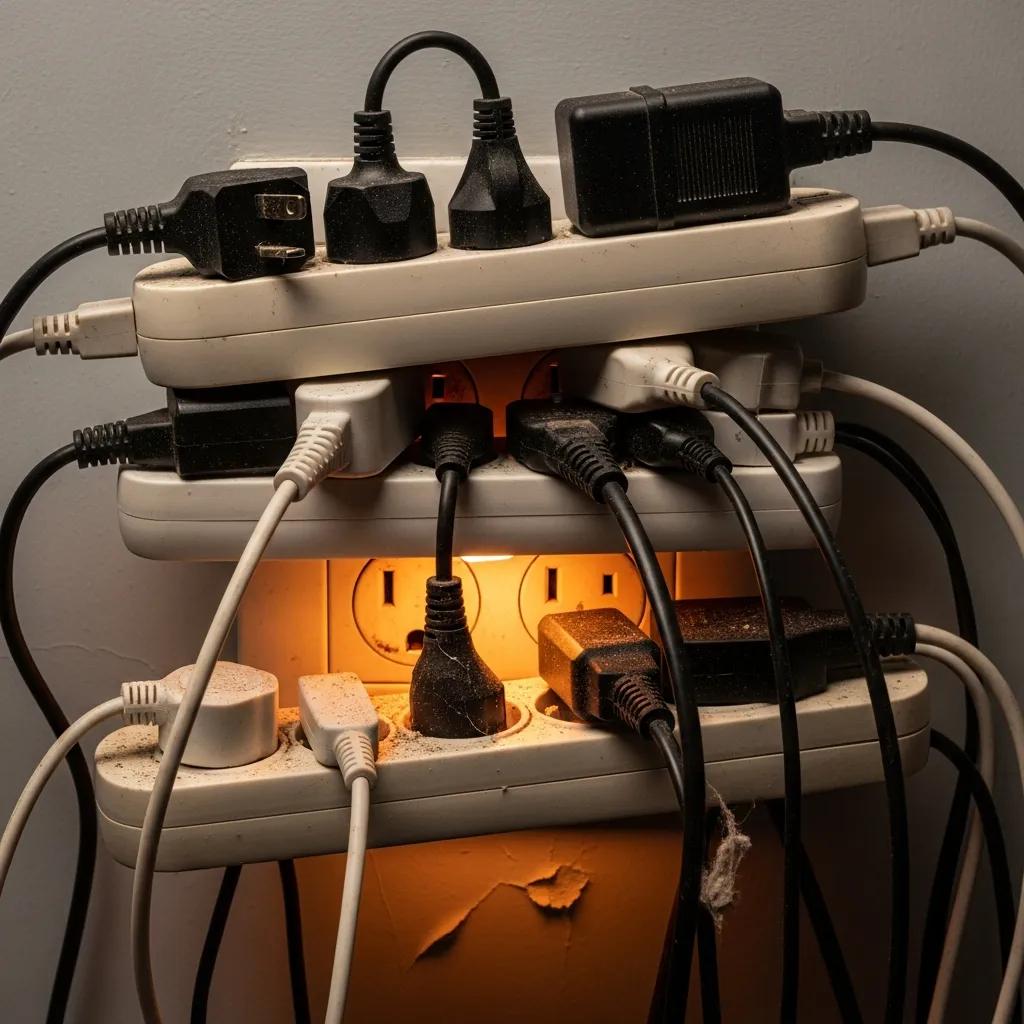
An overloaded electrical circuit occurs when power demand exceeds what the wiring can safely handle. This excess load creates heat that can melt insulation and ignite nearby materials. At home, this often means several light strings or decorations sharing one outlet. High-wattage inflatables and extension cords increase the risk.
Common mistakes include daisy-chaining extension cords or stacking power strips. These setups can cause slow, hidden overheating.Watch for tripped breakers, warm outlets, or flickering lights.These warning signs mean loads should be redistributed or an electrician called.Understanding overloads helps prevent hidden heat and reduces fire risk.
Research also highlights the danger of overloaded wires and their potential for spontaneous ignition.
Overloaded Electrical Wires: Spontaneous Ignition Risk
This study investigates the spontaneous ignition behavior of overloaded electrical wires under transverse wind, focusing on the mechanism by which overloaded current can cause a wire to ignite when exposed to airflow.
Experimental study of spontaneous ignition of overloaded electrical wires under transverse wind, Y Ma, 2023
Why Are Damaged or Outdated Holiday Lights a Fire Hazard?
Damaged or outdated holidaylights are a direct ignition risk: frayed insulation, cracked sockets, or missing safety features like fuses let current arc and spark. Older sets may lack modern labeling, UL recognition, or plug fuses, making them more likely to fail under normal stress. Use a quick inspection checklist — check for exposed wiring, bent prongs, scorched plugs, and broken bulbs — and replace any strand with visible damage or without a current safety rating. Don’t attempt amateur splices; DIY fixes often don’t restore the original safety margin. Routine replacement and following the manufacturer’s guidance reduce the chance that worn strands will start a fire.
How Can You Prevent Electrical Fires from Holiday Lights?
Preventing electricalfires from holidaylights comes down to choosing the right products, inspecting carefully, and installing with load and environment in mind. Pick UL-listed, outdoor‑rated products and favor LEDs over incandescent bulbs to cut heat and energy draw. Combine that with simple inspection and safe installation to reduce mechanical stress and shorts. The checklist below gives prioritized, practical actions to lower firerisk when decorating and during daily use.
- Choose UL-listed, outdoor-rated lights and prefer LED strands for lower heat output.
- Inspect all cords and plugs for fraying, exposed wires, or broken sockets before use.
- Avoid daisy-chaining extension cords and balance loads across multiple circuits.
- Use GFCI-protected outlets outdoors and set timers to turn off lights when unattended.
- LED holiday lights: Low heat and low energy draw — best for indoor or outdoor, long‑run displays.
- Incandescent strings: High heat and high energy draw — use sparingly, short runs, and mostly indoors.
- CFL/older bulbs: Medium heat and energy draw — replace with LEDs for a safer, more efficient option.
This makes it clear why LEDs are generally the safer choice and how selecting the right lights reduces both fire and electrical load concerns. Below we cover safe shopping and installation practices.
What Are Safe Christmas Lighting Practices Using UL-Certified and LED Lights?
UL certification combined with LED technology cuts firerisk by ensuring products meet safety tests and run cooler. LEDs put out far less heat than incandescents and use fewer watts, which eases circuit load and lowers ignition chance near combustible materials. When buying lights, look for the UL or equivalent mark and an environment rating — outdoor‑rated for exposed or damp locations. Use timers or smart controllers to limit run time, and consider motion‑activated options to shut lights off automatically. These choices deliver immediate safety gains and reduce the chance a lighting fault turns into a house .
How Should You Inspect and Install Holiday Lights Safely?
A short pre‑season inspection and careful installation prevent many of the failures that cause fires. Check every strand for frayed insulation, brittle cords, missing plugs, broken bulbs, and loose sockets; replace questionable sets rather than attempting field repairs. During installation, spread lighting loads across different circuits, avoid extension cord daisy‑chains, and use outdoor‑rated fasteners that won’t pinch or damage insulation. Practice ladder safety and keep lights away from heaters or open flames. Use GFCI protection for outdoor outlets to guard against moisture-related faults. If you notice warm outlets, persistent breaker trips, or burning smells, stop using the circuit and call a licensed electrician to assess or capacity issues.
What Are the Risks of Dry Christmas Trees and Flammable Decorations?
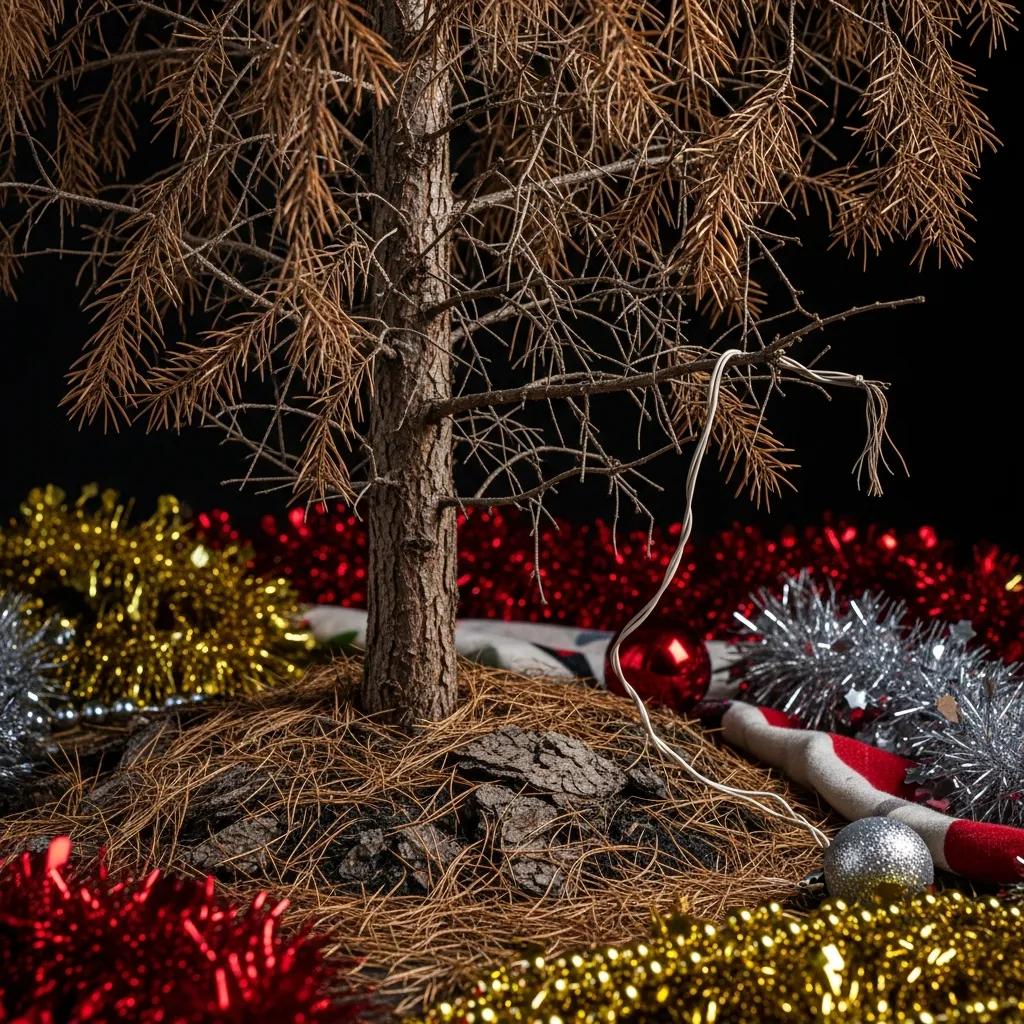
Dry Christmas trees and combustible decorations speed up and intensify a fire because low‑moisture fuel ignites at lower temperatures and helps flames spread quickly. As trees dry, needle and branch resin becomes more flammable, shortening the time from ignition to a fully involved room fire. Garlands, fabric tree skirts, and paper or natural decorations add fuel that accelerates growth if they’re near light strands or heat sources. Knowing how moisture and placement affect ignition helps homeowners pick safer alternatives and keep margins that prevent disaster. Below are safer decoration choices and placement habits to lower fire hazards.
Safer decoration options and placement habits:
- Use flameless LED candles instead of real flames on mantels and tabletops.
- Avoid fabric or porous materials near lights; choose fire‑resistant ornaments.
- Keep at least three feet between trees/decorations and heat sources.
These steps lower the chance that a stray spark or hot bulb will meet readily ignitable material. Next, we explain how tree dryness develops and how to maintain .
Why Do Dry Trees Increase Fire Risk During the Holidays?
When a live tree dries, its moisture drops below the level that slows ignition, so smaller heat sources can light needles and branches quickly. Drying speeds up when trees sit near vents or fireplaces, or when cut trees aren’t watered regularly. A well‑watered tree keeps moisture that absorbs heat and delays ignition; a dry tree can be fully involved in minutes if sparked by an electrical fault. Keep trees watered, check needle flexibility, and remove the tree once needles fall excessively. If you can’t maintain a live tree, use a certified fire‑resistant artificial to remove this fuel risk.
The fire hazard from dry Christmas trees has long been recognized by safety experts.
Dry Christmas Trees: A Recognized Fire Hazard
A dry Christmas tree is recognized as a fire hazard by fire protection authorities. No statistics of fires starting in Christmas trees were kept in New Brunswick prior to the 1960 Christmas season.
Flammability of Christmas trees, 1960
How Can Proper Decoration Placement Reduce Fire Hazards?
Good placement separates heat sources from combustible decorations and keeps exits clear for safe evacuation. Keep decorations at least three feet from space heaters, fireplaces, and vents, and never place lit candles near tree branches or fabric skirts. Make sure decorations don’t block exits or create trip hazards that complicate evacuation. Route electrical cords to avoid foot traffic and protect them from damage, and set lit displays on noncombustible surfaces. A thoughtful layout reduces ignition opportunities and the chance that a small incident becomes a major interior fire.
What Should You Do Immediately After a Holiday Light Fire?
After a holiday light fire, put people first, then take steps to protect property and preserve evidence for insurance while minimizing secondary damage from water and smoke. Immediate priorities are evacuating occupants, accounting for pets, and calling emergency services; next are securing the scene and documenting damage before restoration starts. Below is a short, numbered emergency checklist designed for quick recall and useful for insurers and restoration teams. After that we explain how firefighting water can cause additional damage that requires rapid mitigation.
If a fire occurs, follow these emergency steps:
- Evacuate everyone immediately and account for all occupants and pets at a safe location.
- Call 911 and do not re-enter the building until authorities declare it safe.
- If it is safe and you’re instructed to do so, shut off gas and electricity at the main; otherwise wait for first responders.
- Document visible damage with photos and notes once the fire department allows re-entry.
These steps prioritize human safety and evidence preservation, which leads into the role restoration professionals play once the scene is secure.
After immediate safety actions, contact an emergency restoration provider to limit secondary damage and coordinate with your insurer. Rapid mitigation reduces long‑term loss and mold risk. Local restoration teams offer 24/7 response and fast water extraction to stabilize the property and document conditions for claims, helping homeowners move from emergency to recovery efficiently.
What Are the First Steps to Ensure Safety and Minimize Damage?
First priority is evacuation and confirming everyone is safe; once outside, call emergency services and give clear details about the location and condition of the fire. Do not re‑enter until firefighters and emergency personnel confirm it’s safe — structural instability and toxic smoke can linger after suppression. Only shut off utilities if you can do so without exposure to heat or smoke; otherwise wait for professionals. When authorities allow controlled access, photograph damage and inventory affected items to support insurance claims and restoration planning; keep receipts and any pre‑loss documentation if available.
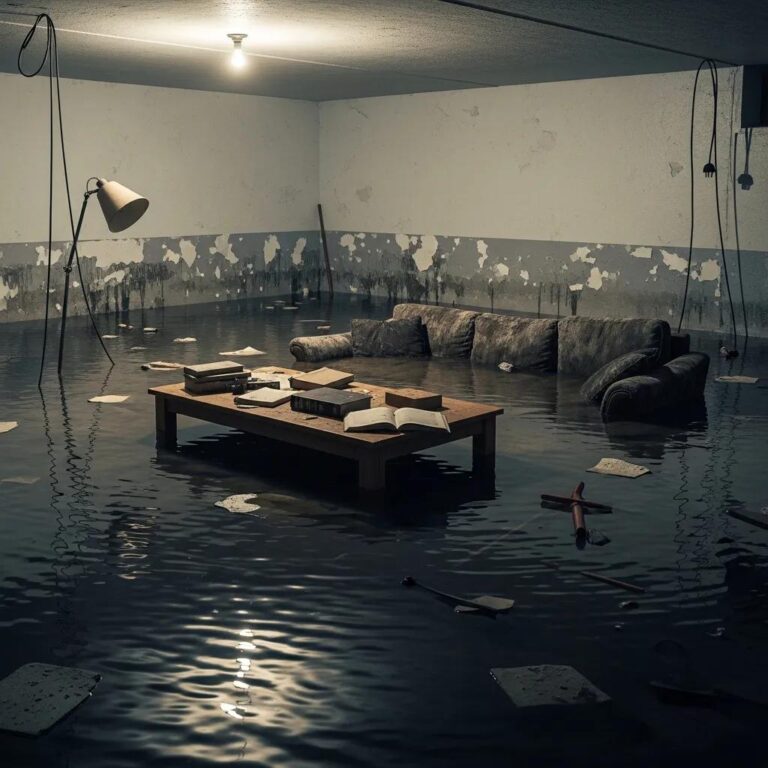
How Does Firefighting Cause Water Damage That Requires Restoration?
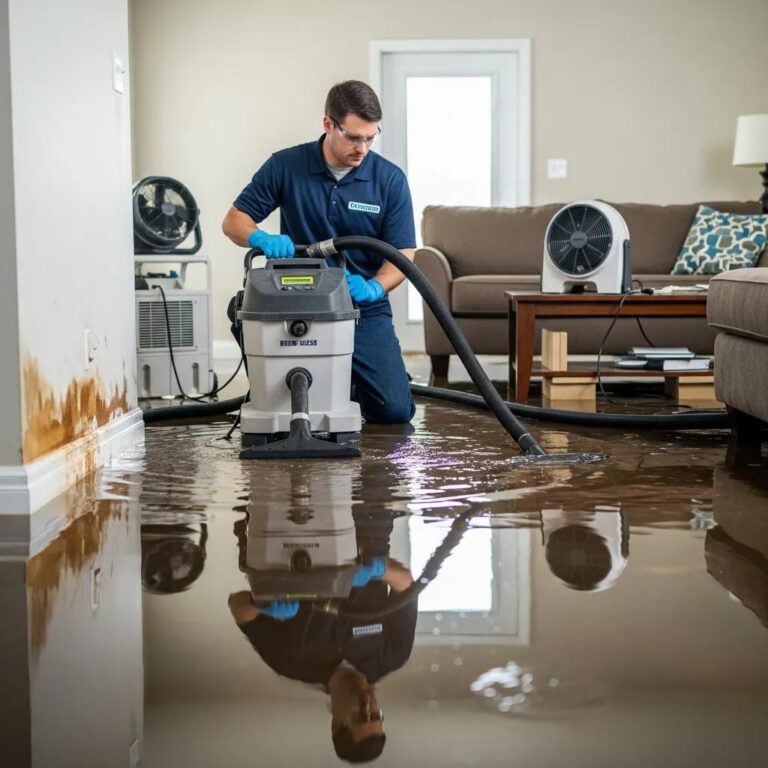
Fire suppression often uses large volumes of water or foam to put out flames, and that water follows gravity and building pathways into ceilings, walls, and subfloors. It moves through cavities, HVAC systems, and insulation, creating hidden moisture pockets that can weaken structure and promote mold growth within 24–48 hours. Fast water extraction, dehumidification, and moisture mapping are needed to prevent secondary losses and reduce reconstruction scope. Restoration pros use industry drying protocols and monitoring to make sure materials reach safe moisture levels before repairs begin, preserving structure and supporting clear insurance documentation.
Why Is Professional Water Damage Restoration Critical After a Fire?
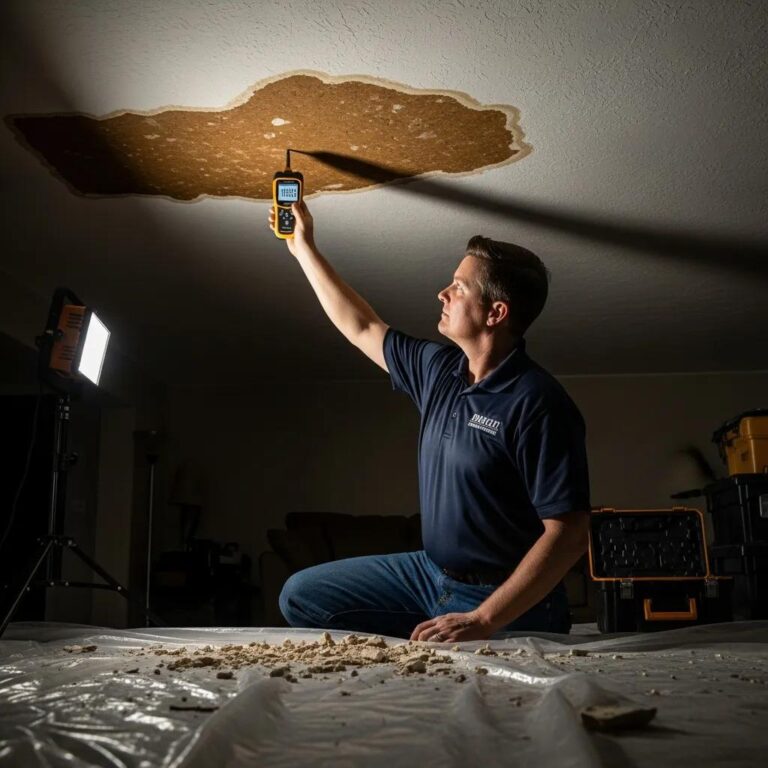
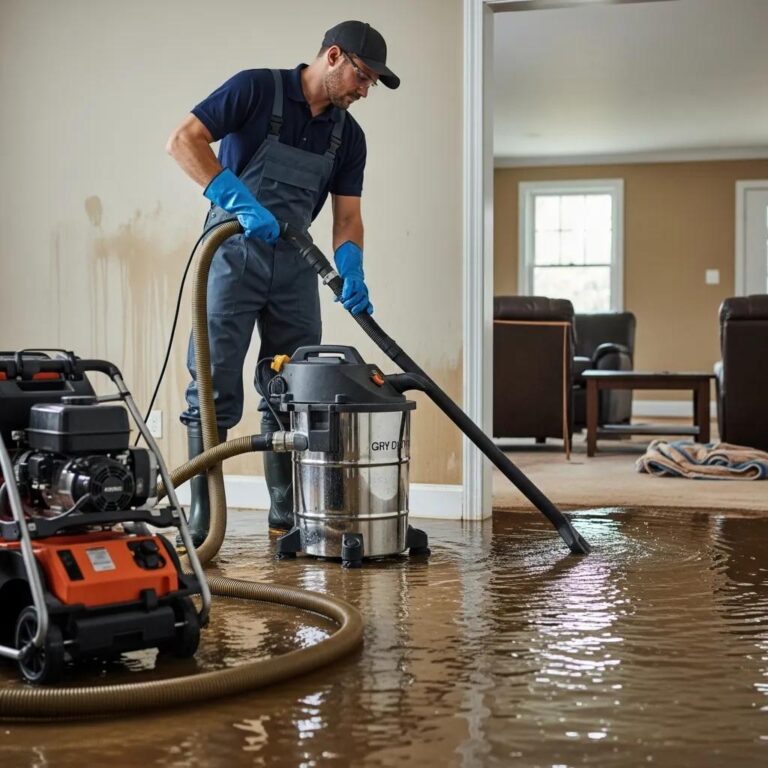
Professional water damage restoration matters after a fire because suppression water and firefighting chemicals introduce moisture and contamination that, if ignored, lead to mold, structural failure, and higher repair costs. Trained teams bring specialized equipment — high‑capacity extractors, industrial dehumidifiers, and moisture meters — and standardized workflows that speed drying and document conditions for insurers. This structured approach pairs immediate mitigation with testing and monitoring to create defensible records and limit downstream health and property impacts. The list below maps common restoration steps to their expected benefits so you can see why timely professional work changes outcomes.
Restoration steps produce measurable impacts when executed promptly:
- Water Extraction: Rapid removal of standing water reduces mold chances and material saturation.
- Structural Drying: Dehumidification and air movement prevent long‑term structural decay.
- Contamination Cleanup: Soot, chemical, and debris removal reduce health hazards and prepare the space for repair.
This workflow shows how each phase stops secondary , which sets up the specific services local providers deliver.
How Does 24 Hour Flood Fighters Provide Expert Water Damage Restoration?
24 Hour Flood Fighters delivers local, emergency restoration with a focus on fast response and full mitigation in Nashville and Murfreesboro. Their team offers 24/7 emergency water damage restoration — rapid water extraction, structural drying, and ongoing moisture monitoring — to limit mold growth and structural decline. The company stresses clear communication and works with insurance providers to streamline claims. Their services also include mold remediation and sewage cleanup when needed. Quick mobilization and documented mitigation help homeowners stabilize properties and prepare for reconstruction, cutting downtime and long‑term loss after firefighting.
How Can Mold Remediation Prevent Secondary Damage Post-Fire?
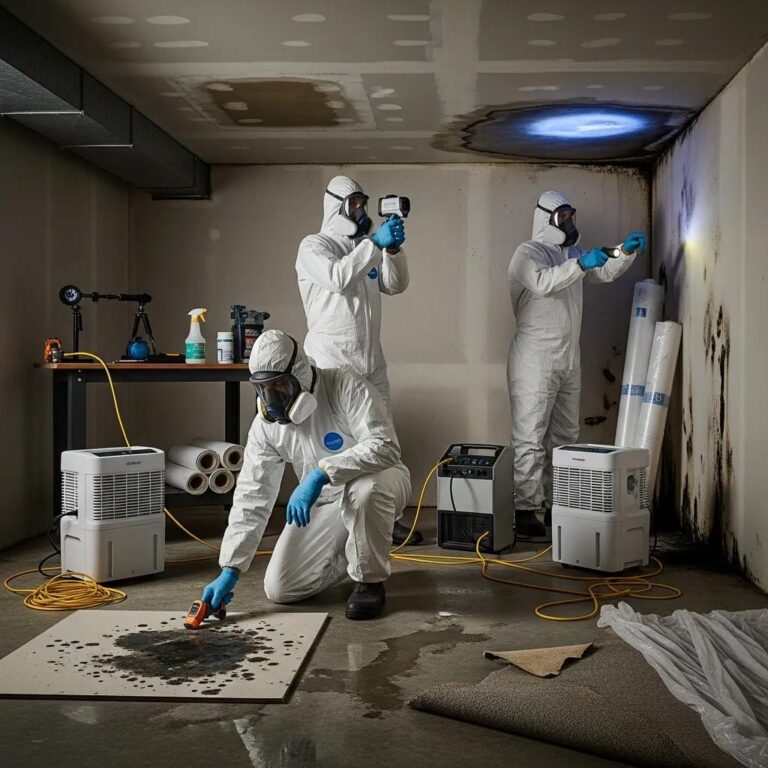
Mold can colonize wet materials quickly after firefighting, so early assessment and containment are essential to avoid widespread contamination and health risks. Remediation usually starts with a focused assessment, then containment of affected zones, removal or cleaning of compromised materials, and antimicrobial treatment as appropriate. Clearance testing and moisture verification confirm affected areas are safe before reconstruction. Addressing mold quickly preserves indoor air quality, reduces demolition needs, and protects property value; delaying remediation increases health risks and restoration costs.
How Can Homeowners in Nashville and Murfreesboro Stay Prepared and Safe?
Homeowners in Nashville and Murfreesboro can lower holidayfirerisk by preparing seasonally, watching local weather that affects dryness, and following regionally recommended safety practices. Middle Tennessee’s winter heating patterns and dry spells can speed tree drying and raise indoor heating use, so adopt inspection routines and spacing rules that fit local conditions. Use local resources — your fire department’s seasonal guidance and certified inspectors for electrical or HVAC issues — to align home safety with codes and real‑world risks. The section below points to local emergency restoration resources that support quick recovery when incidents happen.
Start preparedness with this seasonal checklist and local resources:
- Inspect lighting and cords before use and replace damaged sets.
- Keep live trees well‑watered and maintain clearance from heaters and vents.
- Consult your local fire department for code guidance and community alerts.
These proactive steps reduce the chance of an incident and shorten recovery timelines when events occur. Next, we review local rules and resources that affect holiday fire safety.
What Local Risks and Regulations Affect Holiday Fire Safety?
Local risks include increased heating use and climate‑related drying that change ignition probabilities during winter, so monitor tree moisture and heating appliance placement closely. Local fire departments and building authorities publish guidance on safe clearances, permitted installation practices for exterior displays, and indoor heating recommendations — consult those resources for site‑specific rules. Some municipalities require permits for large exterior electrical installations or displays, so check local requirements to avoid violations and stay aligned with safety enforcement. Knowing these local factors helps households plan safer displays and avoid surprises if emergency responders investigate an incident.
How Does 24 Hour Flood Fighters’ 24/7 Emergency Response Support the Community?
24 Hour Flood Fighters is a local, family‑owned restoration partner serving Nashville and Murfreesboro with 24/7 emergency response to water and mold issues that follow fire suppression and other events. Their round‑the‑clock availability lets them mobilize mitigation teams quickly to extract water, dry structures, and document conditions for insurance — actions that reduce long‑term damage and stress for families. By focusing on fast response, clear communication, and insurer coordination, the company helps restore homes and peace of mind. Homeowners who call vetted local restoration providers promptly usually see shorter restoration timelines and fewer secondary losses.
The steps above outline practical prevention and recovery actions. For immediate help after a fire, contact local emergency restoration services and wait for your fire department to clear the scene before re‑entry.
Conclusion
Understanding the risks associated with holiday lights is crucial for preventing house fires and ensuring safety during the festive season. By following proper installation practices and regularly inspecting your decorations, you can significantly reduce the chances of ignition and protect your home. For more detailed safety tips and resources, explore our comprehensive guides on holiday fire prevention. Stay informed and take proactive steps to enjoy a safe and joyful holiday season.