Common Causes of Water Damage in Homes: What You Should Know
Uncover the Top Causes of Water Damage Affecting Homes
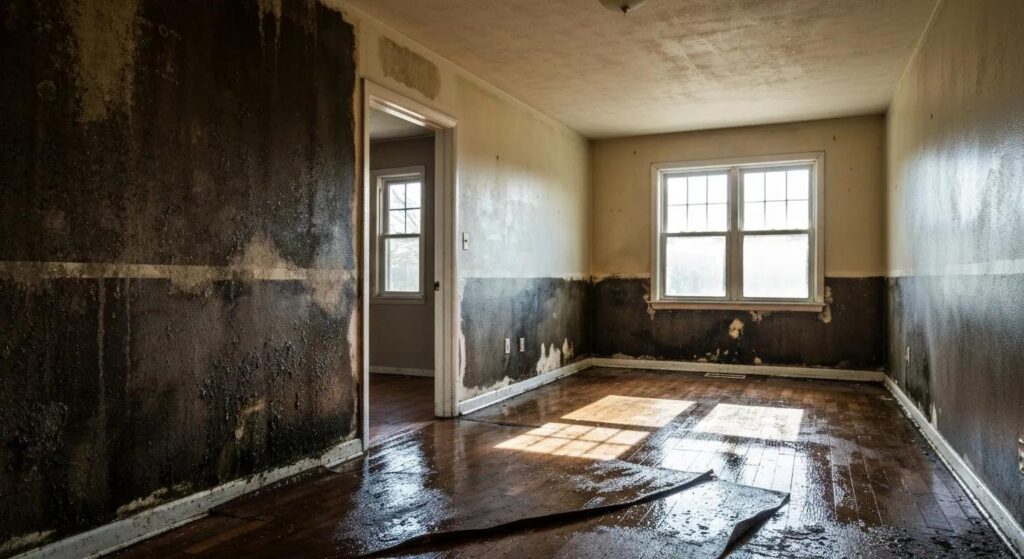
Water damage can devastate a home within hours—one inch of water can cause up to $25,000 in repairs—making it critical to understand the most common causes of water damage in residential properties. Homeowners in Nashville and Murfreesboro face unique risks from aging plumbing, unpredictable storms, and appliance failures that lead to leaks, flooding, and mold. This article defines each leading cause, explains how it develops, and shows practical prevention and response measures. You’ll learn about plumbing system failures, appliance malfunctions, structural vulnerabilities, hazardous water sources, mold growth, damage classifications, immediate mitigation steps, and why 24hourfloodfighters.com is your trusted restoration partner.
Common Causes of Water Damage in Residential Properties
Water damage in homes can stem from various sources, including plumbing failures, appliance malfunctions, and structural issues. Over time, these problems can escalate, leading to significant repair costs and potential health hazards due to mold growth. To address this, understanding the underlying causes is crucial for homeowners. By doing so, they can take proactive steps to prevent and mitigate damage effectively
This research provides a general overview of the common causes of water damage, which supports the article’s introduction of the topic.
What Are the Leading Plumbing System Failures Causing Water Damage in Homes?
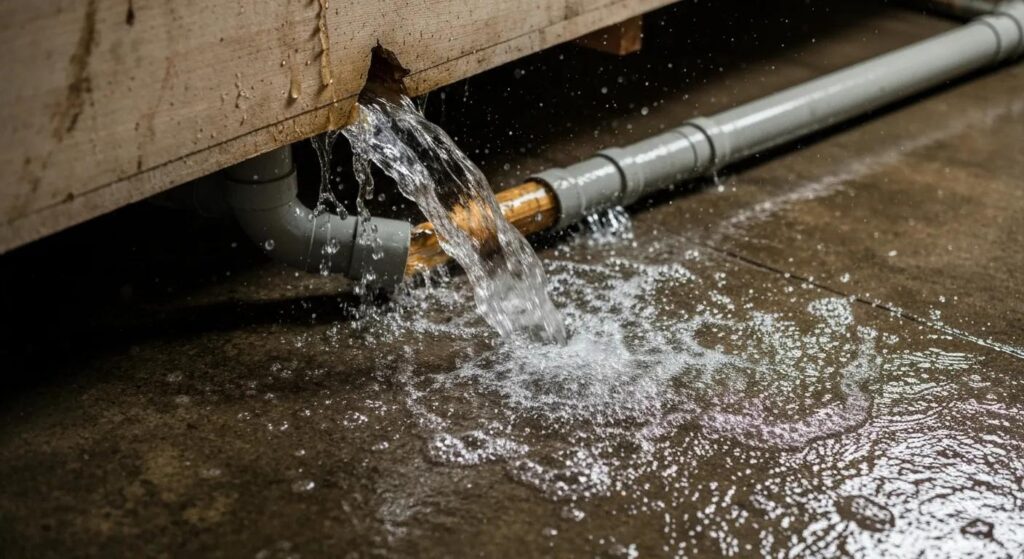
Plumbing system failures occur when pressurized water lines, fixtures, or drainage systems malfunction, releasing clean water into structural cavities and living spaces. Understanding these failures helps homeowners prevent costly repairs and maintain a dry, healthy environment.
How Do Burst and Frozen Pipes Cause Water Damage?
A burst or frozen pipe occurs when water inside pipes freezes, expands, and creates pressure that cracks the pipe wall. This breach allows uncontrolled water flow into walls, floors, and ceilings, compromising structural components and fostering mold growth.
- Insulating exposed pipes in unheated areas before winter arrives.
- Maintaining a minimum indoor temperature of 55°F during cold snaps.
- Installing pipe sleeves or heat tape on vulnerable lines.
What Damage Do Leaky Faucets, Toilets, and Fixtures Cause?
Slow drips from faucets, toilets, and shower fixtures may seem minor but can waste thousands of gallons annually and soak subfloor materials. Continuous leaks degrade grout, rot wooden cabinets, and create hidden damp spots behind walls. Consider a case where a slow toilet tank leak softened drywall behind a vanity within weeks. Regular inspection and repair of seals, washers, and valves prevent the cumulative damage that small leaks inflict.
How Do Clogged Drains and Overflows Lead to Water Damage?
Clogged drains trap hair, grease, and debris in sinks, tubs, and floor drains, causing water to back up and overflow onto floors and through ceilings below. Overflow incidents can saturate floorboards and carpet padding, leading to buckling, staining, and microbial growth. Common culprits include:
- Hair buildup in bathroom drains
- Grease congealing in kitchen sink traps
- Tree root intrusion in outdoor yard drains
Why Are Water Heater Leaks a Frequent Source of Residential Water Damage?
Water heaters develop leaks when corrosion, a faulty pressure-release valve, or a cracked tank allows hot water to escape. Even a slow drip from the tank base can flood a utility room, damage flooring, and saturate adjacent walls.
Annual maintenance—flushing sediment, inspecting relief valves, and checking for rust—ensures the heater operates safely and minimizes leak risk. Proactive servicing saves homeowners from surprise leaks and extensive restoration work.
Which Appliance Malfunctions Commonly Result in Water Damage?
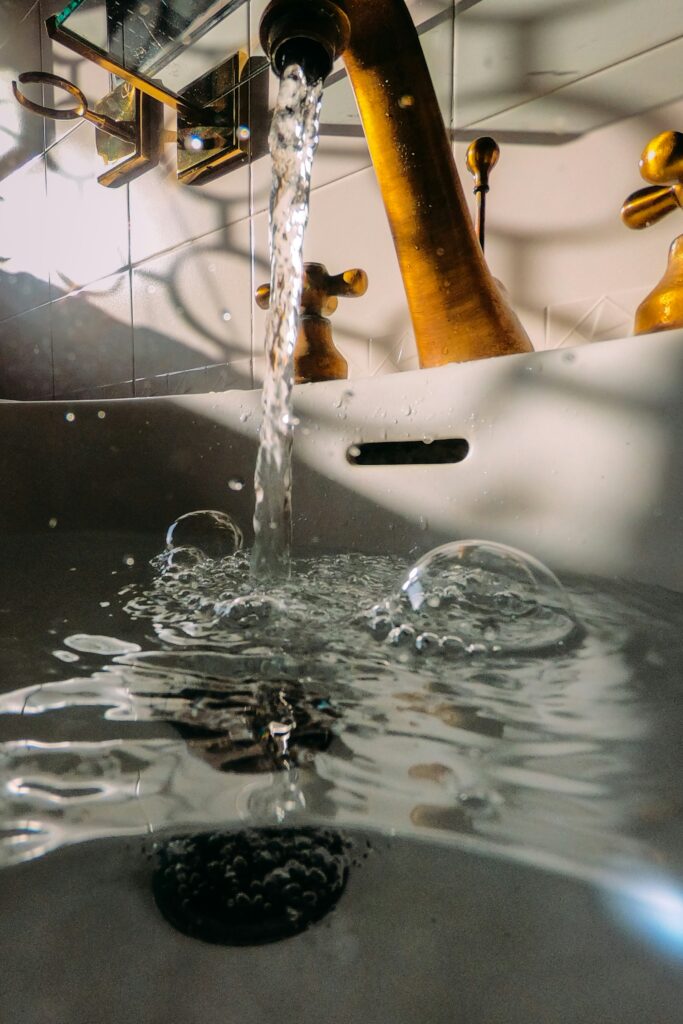
Household appliances connect to water lines and drains under high pressure; any supply line failure or drain blockage can release hundreds of gallons before detection. Identifying vulnerable appliances helps homeowners safeguard against sudden flooding events.
How Do Washing Machine and Dishwasher Leaks Affect Homes?
Washing machines and dishwashers rely on rubber supply hoses and internal seals to contain water during cycles. Age, abrasion, or chemical degradation of hoses and gaskets leads to ruptures or slow drips. A burst supply line can flood a laundry room in minutes, while a dishwasher drain blockage can back up dirty water under kitchen cabinets. Regularly inspect hoses for cracks, replace them every five years, and run appliance self-clean cycles to flush debris and prevent blockages.
What Are the Risks of Refrigerator and Ice Maker Water Leaks?
Refrigerator ice makers and water dispensers use narrow plastic tubing that can crack or disconnect, spilling water into cabinets and onto floors. Clogs in the defrost drain pan may overflow when the ice maker cycles. A maintenance checklist for refrigerators includes:
- Checking and tightening water line fittings.
- Clearing the drain pan of ice and debris.
- Replacing tubes showing wear or discoloration.
How Do External and Structural Issues Contribute to Residential Water Damage?
Structural vulnerabilities allow rainwater and groundwater to bypass roofing, siding, and foundations, directing water into the home. Addressing these exterior issues preserves the building envelope and prevents invasive moisture.
What Causes Roof Leaks and How Do Clogged Gutters Increase Water Damage Risk?
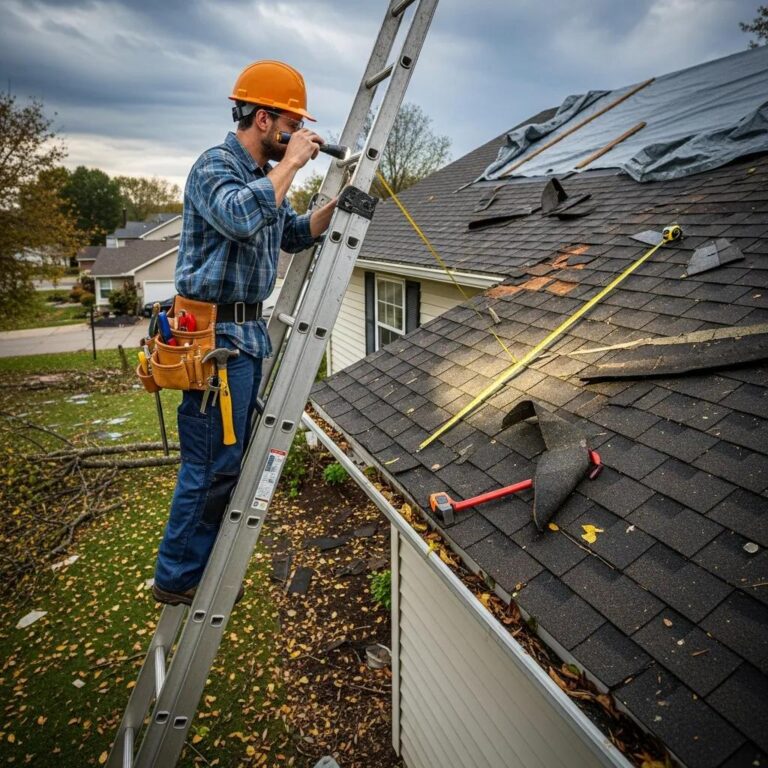
Damaged or missing shingles, cracked flashing, and deteriorated sealants create entry points for rain and melted snow. When gutters and downspouts clog with leaves and debris, roof runoff pools at the eaves, backs up under shingles, and seeps into attic spaces.
- Inspecting and replacing damaged shingles each spring.
- Clearing gutters biannually, especially after heavy leaf fall.
- Extending downspouts at least 6 feet from the foundation.
How Do Foundation Leaks and Basement Flooding Occur?
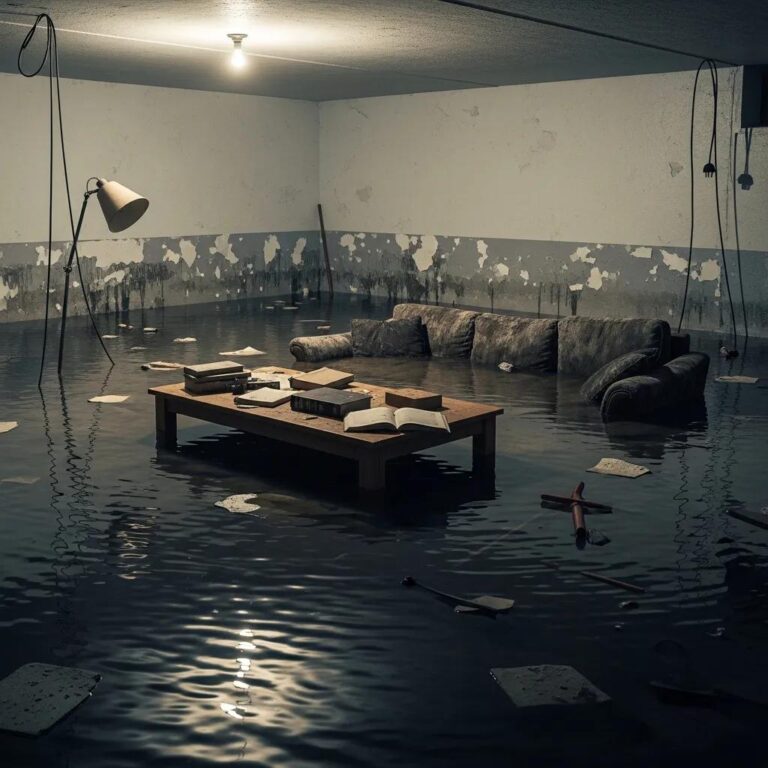
Hydrostatic pressure from saturated soil pushes groundwater through foundation wall cracks, porous block joints, and unfinished floors. Over time, damp walls and puddles in basements degrade paint, corrode equipment, and create mold-friendly conditions. Signs include efflorescence (white mineral deposits), musty odors, and paint blistering.
Sealing cracks with epoxy injection, applying exterior waterproof membranes, and maintaining proper lot drainage mitigate these issues and keep basements dry.
Why Do Sump Pump Failures Lead to Basement Water Damage?
A sump pump removes accumulated groundwater from a basin in the basement floor. When the pump fails due to power loss, mechanical wear, or a blocked intake, water rises and floods the basement.
Routine testing, battery backup installation, and keeping the pit clear of debris ensure the pump activates when needed.
A well-maintained sump system prevents expensive flood damage and mold remediation.
What Hazardous Water Sources Cause Severe Residential Water Damage?
Not all water damage involves clean water; hazardous sources pose health risks and require specialized cleanup. Recognizing these threats protects occupants from contamination and disease.
How Do Sewer Backups Cause Water Damage and Health Hazards?
Sewer backups happen when things like tree roots, grease buildup, or city system problems cause dirty water to come up through your home’s drains. This “black water” is dangerous—it can carry germs, waste, and harmful chemicals that soak into floors, walls, and even your belongings.
| Sewer Backup Cause | Trigger | Potential Impact |
|---|---|---|
| Tree Root Intrusion | Pipe wall cracking | Black water flooding crawlspaces |
| Grease and Debris | Drain line obstruction | Sewage backup into fixtures |
| Municipal Overflow | Heavy rainfall and backups | Basement evacuation and health hazards |
Handling black water requires certified professionals to remove contaminants, sanitize surfaces, and restore structural integrity without exposing occupants to disease.
What Impact Do Flooding and Natural Disasters Have on Homes?
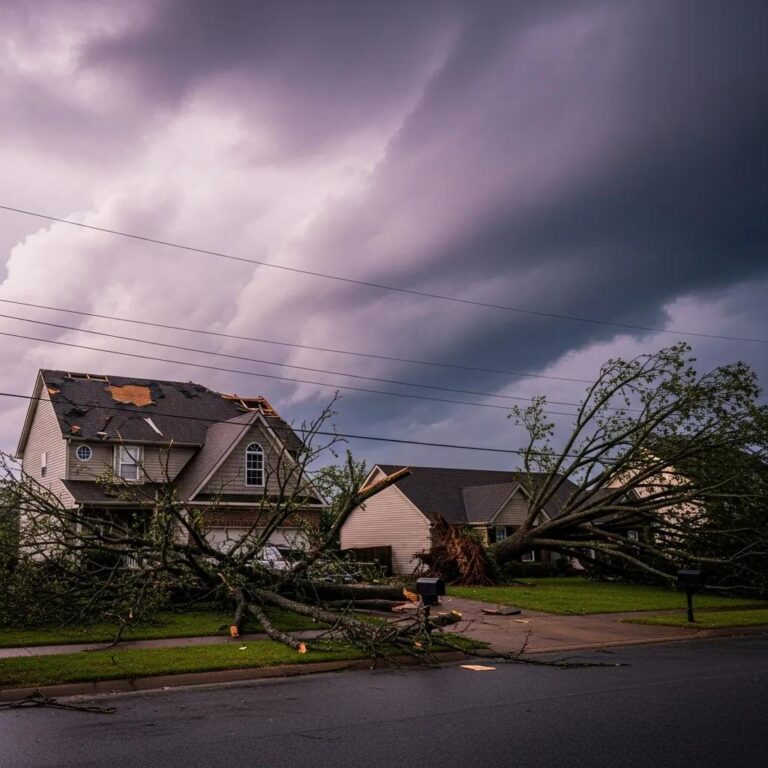
Big storms, flash floods, and heavy rain can flood homes with water that brings in mud, chemicals, and trash. Unlike small leaks, this kind of flooding can wash away parts of your foundation, soak insulation, and ruin walls and floors. In Middle Tennessee, sudden downpours are common, so it’s smart to install flood vents, raise up HVAC units, and keep sandbags or barriers nearby to help keep water away from your home.
For information on flood preparedness, visit FloodSmart.gov.
How Does Water Damage Lead to Mold Growth and What Are the Health Risks?
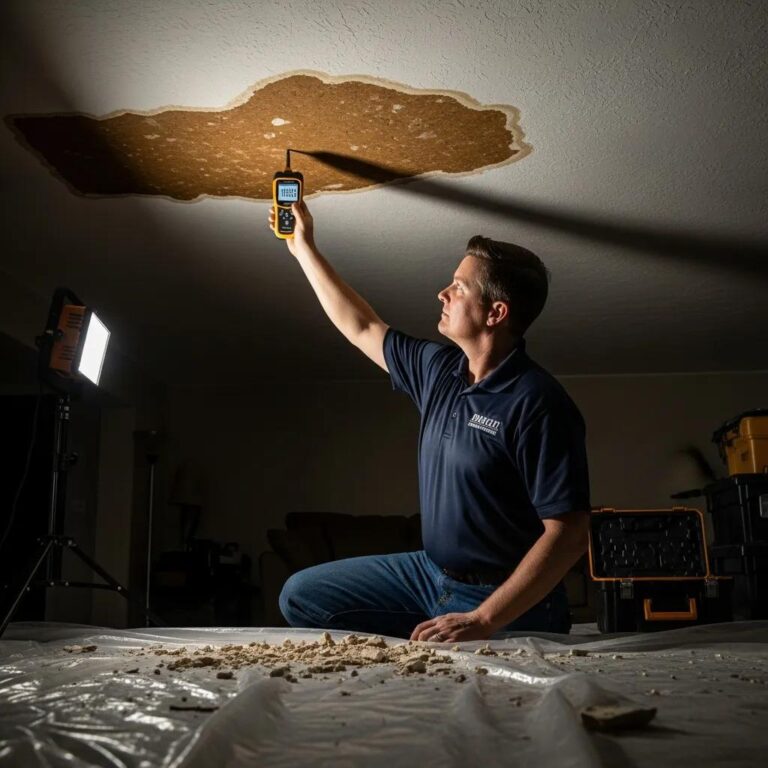
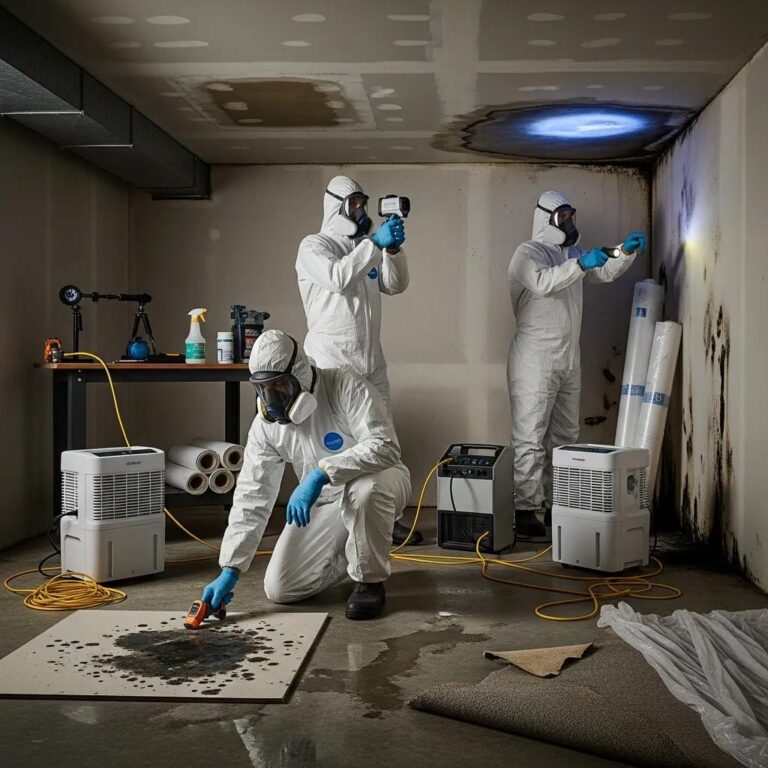
When things stay wet for more than a day or two, mold can start to grow on damp surfaces. It can release stuff into the air that makes it harder to breathe and may cause health problems. Finding the issue early and drying things out quickly helps stop mold from spreading and keeps the air in your home healthier.
How Quickly Does Mold Develop After Water Damage?
Mold can start growing on wet drywall, wood, and carpet just one or two days after water damage. Hot weather and high humidity make it spread even faster. That’s why it’s important to dry things out quickly and use a dehumidifier to stop mold before it affects the air inside your home.
Mold Growth After Water Damage
Mold can start growing quickly after water damage—sometimes in just one or two days—especially when it’s warm and humid. If not handled fast, it can cause health problems and damage parts of your home. Acting quickly by drying things out and using a dehumidifier can help stop mold from spreading.
.
This information supports the article’s discussion of mold growth and its health implications.
What Are the Common Signs of Mold in Residential Properties?
You can often spot mold as black, green, or white fuzzy spots on walls and ceilings, and it usually comes with a musty smell. People living in the home might notice allergy-like symptoms—like sneezing, coughing, or itchy skin—when mold is around. To find problems early, check hidden places like behind cabinets, under carpets, and inside air vents. That way, you can catch mold before it spreads and get it cleaned up quickly.
Learn more about mold identification and remediation from the EPA.
What Are the Categories and Classes of Water Damage Homeowners Should Know?
Classifying water damage by contamination level (category) and saturation severity (class) guides restoration strategies, equipment selection, and cost estimation.
What Are the 3 Categories of Water Damage: Clean, Gray, and Black Water?
Homeowners must distinguish exposure levels to ensure proper cleanup and safety.
| Category | Risk Level | Response Requirement |
|---|---|---|
| Clean Water | Low | Standard drying and dehumidifying |
| Gray Water | Moderate | PPE required; flush and sanitize |
| Black Water | High | Professional extraction and disinfection |
Understanding categories prevents improper DIY approaches that can endanger health and increase restoration costs.
How Are Water Damage Classes 1 to 4 Defined by Severity and Drying Needs?
Classes reflect how much moisture has infiltrated materials and the drying equipment required:
- Class 1: Minimal saturation in superficial areas—basic air mover use.
- Class 2: Significant water absorption affecting walls and flooring—requires dehumidifiers.
- Class 3: Water from overhead sources saturating ceilings, walls, and floors—combines multiple drying methods.
- Class 4: Deeply bound water in low-porosity materials (concrete, hardwood)—specialty drying systems and extended drying times.
Water Damage Categories and Classes
Water damage is categorized by contamination level (clean, gray, black) and classified by the severity of saturation (Classes 1-4). These classifications guide restoration strategies and equipment selection. Understanding these categories and classes is essential for effective damage assessment and remediation.
This citation supports the article’s explanation of water damage categories and classes, which is essential for understanding the scope of damage and the appropriate response.
What Immediate Actions Should Homeowners Take When Water Damage Occurs?
Prompt mitigation limits the extent of water intrusion, reduces mold risk, and supports insurance claims. A clear action plan can save thousands in repair costs.
What Are the First Steps to Minimize Water Damage in a Home?
- Shut Off the Water Source: Turn off the main valve immediately to stop incoming flow.
- Ensure Safety: Avoid electrical hazards by cutting power to affected areas.
- Document Damage: Photograph wet areas, damaged contents, and approximate water depth.
How Can Homeowners Navigate Water Damage Insurance Claims Effectively?
Contact your insurer promptly and provide detailed damage records. Keep a checklist of:
- Claim number and adjuster contact.
- Inspection reports and professional estimates.
- Receipts for emergency repairs and temporary lodging.
Working closely with adjusters and approved restoration experts streamlines claim approval and ensures coverage for legitimate losses.
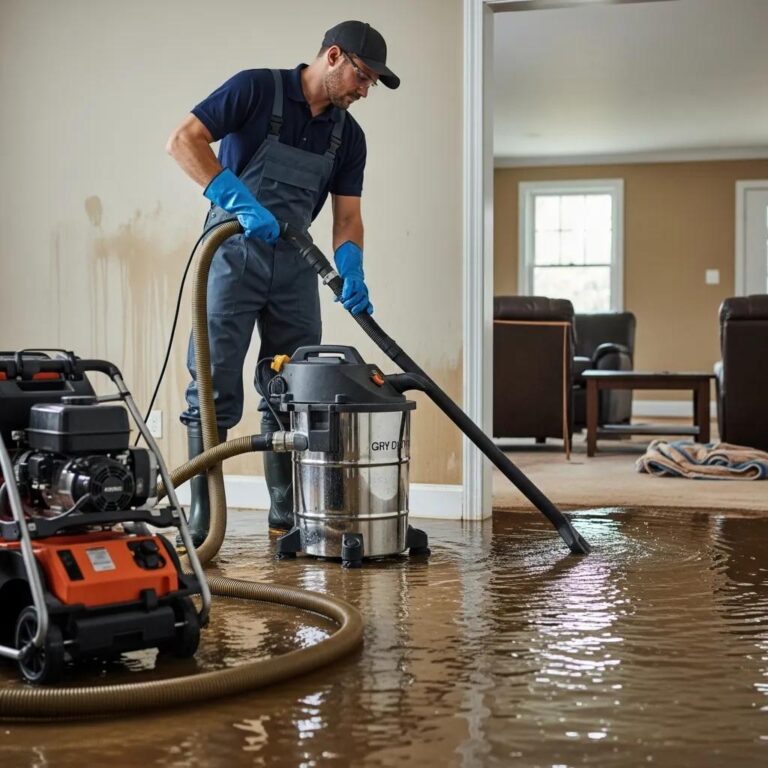
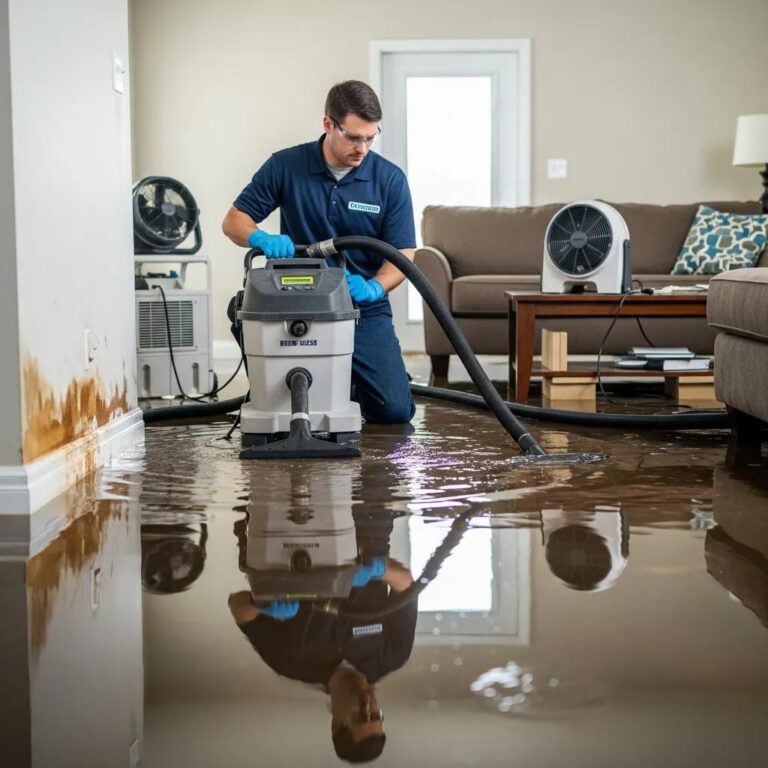
When emergency water damage strikes, rapid response and local expertise minimize losses. 24hourfloodfighters.com pairs advanced equipment with certified technicians to restore homes quickly and safely.
Operating 24/7 with a two-hour response guarantee in Nashville and Murfreesboro, our team holds IICRC certification and carries specialized training in water extraction, structural drying, and mold remediation. Our local insight into Tennessee weather patterns and building styles ensures tailored solutions that protect your investment.
Which Comprehensive Restoration Services Does 24hourfloodfighters.com Offer?
- Emergency water extraction and structural drying
- Dehumidification and moisture mapping
- Moldinspection, containment, and remediation
- Contents cleaning and pack-out services
- Full structural repairs and reconstruction
Don't Let Water Damage Ruin Your Home!
Act fast to minimize damage and prevent costly repairs. Contact our expert team for immediate assistance.
What Are the Most Common Questions About Water Damage Causes and Prevention?
Homeowners often wonder which issues matter most and how to avoid them. Below are concise answers to top concerns.
What Are the 3 Main Causes of Water Damage in Residential Properties?
The leading causes are burst or frozen pipes, appliance and plumbing fixture leaks, and structural failures like roofleaks or foundation cracks.
How Can Homeowners Prevent Water Damage from Plumbing and Appliances?
Regularly inspect and replace aged supply hoses, maintain fixtures and seals, insulate exposed pipes, and schedule yearly maintenance for water heaters and HVAC condensate lines.
Does Homeowners Insurance Cover Water Damage?
Most policies cover sudden, accidental water damage (e.g., a burst pipe) but exclude gradual leaks and floods—separate flood insurance is required for natural disaster coverage.
Prompt attention to these questions empowers homeowners to protect their properties and reduce restoration costs.
Water damage can strike without warning, but understanding its causes and taking immediate action secures your home’s safety and value. By addressing plumbing failures, appliance risks, structural vulnerabilities, hazardous water sources, and mold hazards—and by classifying damage correctly—you’re prepared to mitigate loss. When water damage occurs, swift engagement with the restoration experts at 24hourfloodfighters.com ensures efficient cleanup, professional repairs, and support throughout the insurance process. Safeguard your Nashville or Murfreesboro home today by contacting our 24/7 emergency response team for a free inspection and restoration plan.