Direct Insurance Billing for Water Damage Restoration: Your Complete Guide to Simplified Claims and Stress-Free Repairs
Direct insurance billing for water damage restoration means your restoration company handles submitting estimates and invoices straight to your insurance provider, so repairs can kick off with minimal out-of-pocket expense for you. This works because your restoration team meticulously documents the damage, generates estimates that meet industry standards, and provides detailed moisture mapping. They then coordinate directly with your insurer and their assigned adjuster to get the scope of work and payment approved. The biggest perk? Faster mitigation and repairs, less money out of your pocket, and a significantly lighter administrative load for you. Many homeowners get bogged down by delays and confusion when their insurer and contractor speak different technical languages; direct billing cuts through that by centralizing all communication and evidence submission on your behalf. This guide will walk you through what direct insurance billing entails, the step-by-step insurance claims process, how to compare coverage like homeowners versus flood insurance, what to expect in mold and storm scenarios, and how to pick a restoration company that excels at insurance billing. As you read, you’ll find helpful checklists, comparison charts, and strategies to speed up your claim settlement, using keywords like direct insurance billing, water damage claims, and insurance billing assistance Murfreesboro to keep the information practical and actionable.
What Is Direct Insurance Billing for Water Damage Restoration?
Direct insurance billing for water damage restoration is a streamlined process where a qualified restoration firm acts as the go-between, submitting estimates and invoices directly to your insurance company. This means you won’t have to cover the full cost upfront. The system relies on thorough documentation, industry-standard estimates, and direct communication with the adjuster to justify the scope and cost of the work. The key advantages are reduced financial pressure, quicker deployment of mitigation crews, and a clearer paper trail for your claim. Understanding this fundamental approach helps homeowners decide whether to authorize immediate repairs under direct billing or manage the invoicing themselves, which can unfortunately delay crucial mitigation efforts and increase the risk of secondary damage. Below are the primary benefits you can expect when a restoration company offers direct insurance billing.
How Does Direct Insurance Billing Work with Restoration Companies?
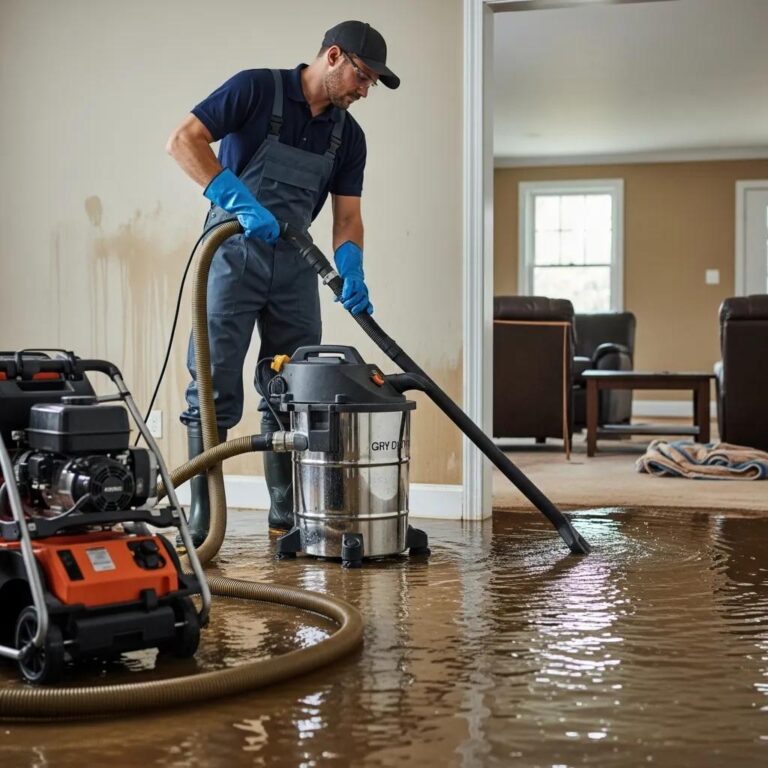
Direct insurance billing unfolds through a series of coordinated steps, beginning with an emergency response, moving into detailed documentation and estimate submission, and concluding with insurer payment or your settlement of any applicable deductible. Your restoration company will conduct an initial damage assessment and perform emergency mitigation—like water extraction and drying—then create a comprehensive estimate and moisture map. This estimate and supporting documentation are then sent to your insurer and their adjuster for review. Your restoration firm will often engage in discussions or clarifications with the adjuster to ensure the scope of work aligns with the insurer’s expectations. You should expect clear communication regarding which costs the insurer will cover and when your deductible payment is due, with your restoration company serving as your central point of contact throughout the entire process.
What Are the Benefits of Direct Insurance Billing for Homeowners and Businesses?
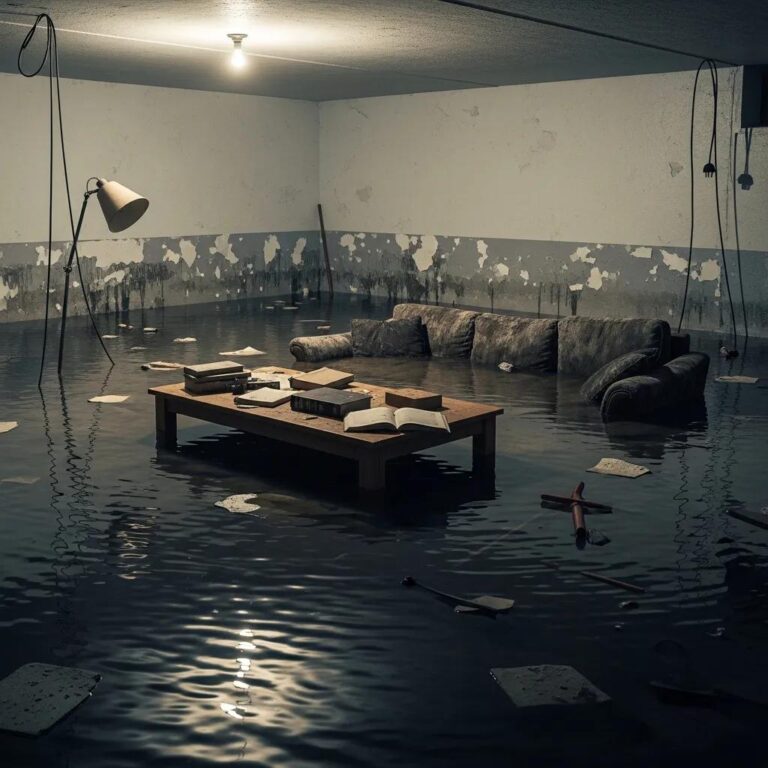
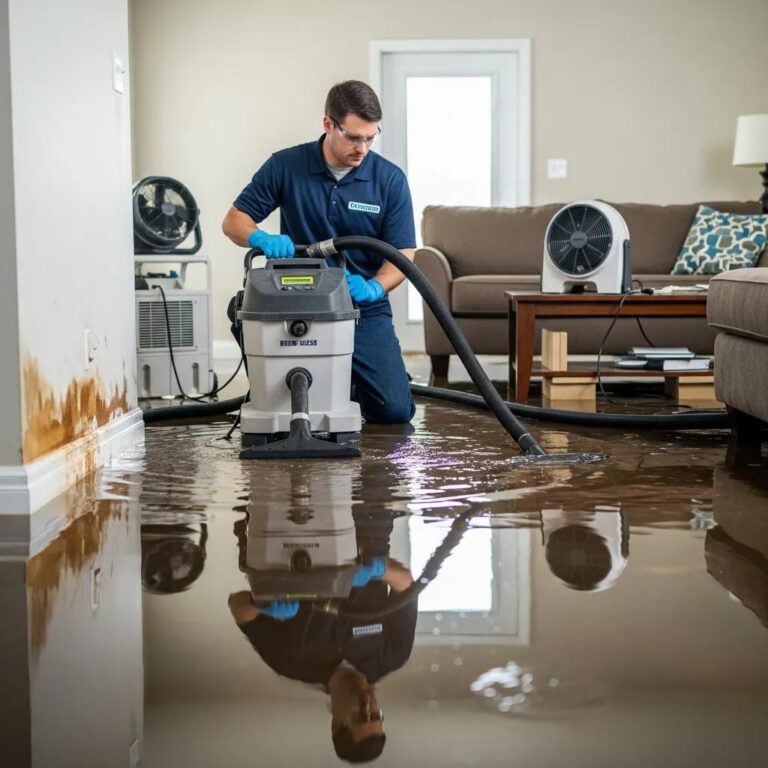
Direct insurance billing offers significant financial and practical advantages by transferring the administrative burden and minimizing or eliminating the need for you to pay contractor invoices out-of-pocket before your insurer settles the claim. Homeowners benefit from faster mitigation because contractors can deploy crews as soon as communication with the insurer is underway, and paperwork-related delays are greatly reduced since the restoration firm handles all estimate submissions and documentation. This approach lowers stress levels, shortens repair timelines, and helps protect your property’s value by preventing secondary issues like mold growth. Here’s a quick example: when a burst pipe floods a basement, direct billing allows a qualified firm to extract water and begin drying immediately while insurer approval is being secured, often preventing more extensive and costly structural repairs down the line.
- Key advantages of direct billing include:
These benefits directly translate to lower long-term costs and more favorable claim outcomes, which naturally leads into understanding which types of water damage are commonly covered by insurance policies.
Which Types of Water Damage Are Covered by Insurance Policies?
Insurance coverage typically applies to sudden, accidental water events such as burst pipes, appliance malfunctions, and roof leaks caused by storms, as these are generally defined as covered perils under standard homeowners policies. The basis for coverage is causation: insurers look for proof that the water loss was sudden and not a result of prolonged neglect, making documentation like time-stamped photos and maintenance records crucial. Damage from rising surface water (flooding) and gradual damage from unresolved leaks are usually excluded from standard homeowners policies, requiring separate flood insurance or diligent maintenance to address. Homeowners should carefully review their policy details and preserve evidence immediately to support claims for sudden events and avoid denials for issues insurers deem to be maintenance-related.
What Does 24 Hour Flood Fighters Offer in Direct Insurance Billing Assistance?
24 Hour Flood Fighters provides a comprehensive “Insurance Claims Process Made Simple” service designed to guide you through every step, from initial assessment and claims submission to adjuster coordination, restoration, and the final walkthrough. Our firm handles all communication with insurance companies directly on your behalf. This service is specifically crafted to alleviate your burden by centralizing the entire claims workflow, allowing emergency mitigation to commence while we prepare all necessary documentation and liaise with your insurer. As a locally owned and operated family business serving Murfreesboro, Nashville, and the surrounding Middle Tennessee areas, 24 Hour Flood Fighters prioritizes 24/7 emergency response and maintains transparent communication throughout the entire claims lifecycle. Our approach combines certified restoration practices with expert adjuster coordination to ensure scopes are accurately documented and repairs proceed without unnecessary delays.
How Does the Water Damage Insurance Claims Process Work Step-by-Step?

The water damage insurance claims process progresses from immediate safety and mitigation efforts through thorough documentation, adjuster review, repairs, and a final walkthrough to reconcile the scope and payment. Each stage involves specific responsibilities: you, the homeowner, must prioritize safety and prompt notification; the restoration firm executes mitigation and generates estimates; and the insurer reviews the evidence and authorizes payments or offers settlements. Clear documentation—including photos, moisture maps, and itemized estimates—creates a comprehensive record of the loss and its cause, which supports favorable claim outcomes. The ordered list below outlines the essential stages and the requirements for each involved party.
- Initial notification and safety: promptly inform your insurer and secure the property; emergency mitigation is crucial to prevent secondary damage.
- Mitigation and documentation: the restoration firm performs water extraction and drying, then produces detailed moisture maps and an itemized estimate.
- Adjuster visit and estimate reconciliation: the insurer’s adjuster reviews the evidence, compares estimates, and determines the approved scope of work.
- Repair authorization and work: the contractor completes the necessary repairs; payments are processed through the insurer or via direct billing arrangements.
- Final walkthrough and settlement: you, the contractor, and the insurer confirm the completed scope and officially close the claim.
This structured workflow highlights the critical importance of documentation and adjuster coordination at each step. The following section details the responsibilities and typical documents used during these stages.
What Are the Key Stages from Damage Assessment to Final Walkthrough?
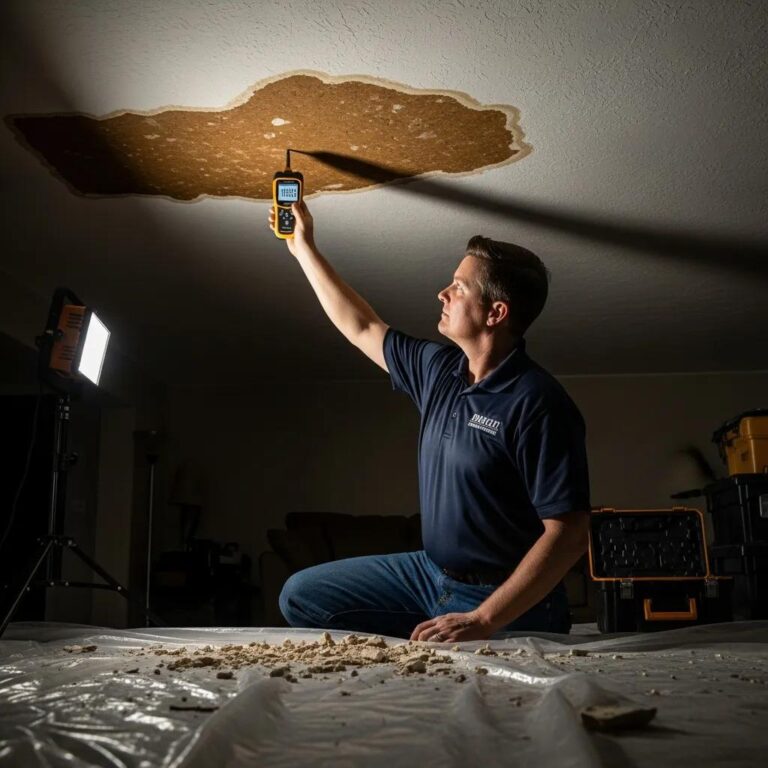
The key stages of a water damage claim form a clear progression: initial assessment and emergency mitigation, detailed documentation and estimate creation, adjuster review and authorization, repairs and remediation, followed by a final walkthrough to confirm completion and finalize the settlement. You can expect your restoration firm to provide a damage assessment report, a moisture map, and an itemized estimate that aligns with industry standards during the mitigation phase. Your insurer will typically require photos, proof of prompt action, and the adjuster’s report to authorize payment; these documents collectively form the evidentiary foundation of your claim. Properly preparing these materials helps minimize disputes and ensures the final walkthrough confirms a complete scope of repairs, which leads into how restoration companies effectively coordinate with adjusters.
Typical documents used throughout the stages include:
- Damage assessment report: documents the cause of the loss and immediate actions taken.
- Moisture map and drying log: tracks the progress of ongoing mitigation efforts.
- Itemized contractor estimate and invoices: detail all costs broken down by line item.
In summary, accurate and timely documentation at every stage significantly speeds up claim approval and helps protect you from denied scopes of work.
How Does 24 Hour Flood Fighters Coordinate with Insurance Adjusters?
24 Hour Flood Fighters coordinates effectively with insurance adjusters by preparing estimates that adhere to industry standards, presenting detailed moisture maps and mitigation logs, and facilitating site access for adjuster inspections to clearly define the scope and urgency of the work. Our role involves documenting the loss in precise technical terms—such as affected square footage, water category, and drying objectives—to bridge any communication gaps between the contractor and the insurer. This coordination often includes direct phone or in-person discussions to align on repair needs and justify specific line items that insurers might otherwise question, all with the goal of preventing underpayment or scope reduction. You should expect our team to clearly explain the adjuster’s findings and outline the next steps after each interaction, ensuring transparency and dedicated advocacy throughout the settlement process.
What Documentation Is Needed to Support Your Water Damage Claim?
Successful claims hinge on a core set of documents: time-stamped photos and videos clearly showing the damage, a detailed contractor estimate with itemized costs, mitigation logs and moisture maps, receipts for any emergency services rendered, and proof of prior maintenance if relevant. Your restoration firm will typically compile many of these records—such as drying logs and moisture readings—while you will provide ownership documents, receipts for damaged personal property, and any evidence of the property’s condition before the loss. Maintaining organized digital copies expedites submission and helps create a clear chain of evidence: Loss → Evidence → Cost, which adjusters use to validate the claim. Preparing these materials promptly after a loss minimizes the risk of denied coverage and speeds up the settlement process.
Your documentation checklist should include:
- Photos and videos of the damage, ideally with timestamps.
- Itemized contractor estimates and mitigation invoices.
- Moisture maps, drying logs, and any relevant prior maintenance records.
This checklist helps both homeowners and restoration firms present a clear and compelling claim narrative that insurers can process efficiently.
How Can You Expedite Your Insurance Claim Settlement?
Expedited settlements are achievable through four practical strategies: prompt notification to your insurer, immediate mitigation and professional documentation, selecting a restoration firm experienced in adjuster coordination and direct billing, and consistent follow-up until the claim is fully resolved. Swift mitigation limits secondary damage and demonstrates responsible action on your part, which insurers generally view favorably. Working with a company that produces industry-standard estimates and moisture maps reduces adjuster questions and the need for multiple revisions. Finally, proactive communication—both from you and your restoration firm—with the insurer keeps the claim moving toward a timely resolution.
What Water Damage Insurance Coverage Should You Know About?
Understanding water damage coverage involves distinguishing between perils covered by homeowners insurance, common exclusions like flood and gradual damage, and how deductibles and policy limits impact settlements. Homeowners policies typically cover sudden, accidental water events but exclude rising floodwaters and damage from long-term neglect; knowing these boundaries helps set realistic expectations. Deductibles are the amount you pay before the insurer’s coverage begins, while policy limits cap the total amount the insurer will pay for a covered claim. The table below compares common coverage types to clarify these distinctions and help you determine when additional protections, such as flood insurance, might be necessary.
| Coverage Type | Typical Covered Perils | Typical Exclusions |
|---|---|---|
| Homeowners Insurance | Sudden pipe bursts, appliance failures, accidental plumbing leaks | Flooding, gradual leaks from poor maintenance |
| Flood Insurance | Rising water, river overflow, storm surge | Water backup not caused by rising surface water (policy-specific) |
| Supplemental Policies | Sewer/back-up, extended replacement cost endorsements | Coverage varies; policy language determines limits |
This comparison illustrates that homeowners need to match specific perils to the correct policy and consider supplemental coverages for flood-prone or older properties.
What Is Covered Under Homeowners Insurance for Water Damage?
Homeowners insurance typically covers sudden and accidental events such as burst pipes, accidental overflows from appliances, and roof leaks caused by covered perils; the key is immediate causation and documented proof of sudden failure. Insurers will look for evidence that the event was not foreseen or due to deferred maintenance, making time-stamped photos and service records potentially decisive. Coverage often includes both mitigation costs and the repair of damaged structures, subject to your deductible and policy limits. Understanding these distinctions helps homeowners present a focused claim that clearly demonstrates a sudden cause rather than an ongoing issue.
What Are Common Exclusions Like Flood and Gradual Damage?
Common exclusions include flood—defined as water rising from natural sources—and gradual damage resulting from long-term leaks or deferred maintenance, which insurers typically consider the homeowner’s responsibility. Flood insurance must be purchased separately and is often required in high-risk zones; standard homeowners policies exclude these perils. Gradual leaks are frequently excluded because insurers expect homeowners to perform routine maintenance and address issues promptly. Homeowners should document immediate mitigation efforts and any prior maintenance to argue that damage was sudden rather than gradual when disputing exclusions.
How Do Deductibles and Policy Limits Affect Your Claim?
A deductible is the amount you are responsible for paying before your insurer’s coverage kicks in, and policy limits are the maximum amount your insurer will pay for covered losses; together, they determine your net recovery. For instance, a $10,000 estimate with a $1,000 deductible means the insurer would pay $9,000, subject to any overall policy limits or sub-limits. Policy limits can restrict payouts for specific categories, such as contents versus structural elements, so accurate line-item estimates are essential for mapping costs to appropriate coverages. Understanding these financial mechanics allows you to anticipate your out-of-pocket exposure and negotiate effectively with both your insurer and contractor.
What Is the Difference Between Flood Insurance and Homeowners Insurance?
Flood insurance covers damage caused by rising or overflowing water and is typically available through specific government programs or private carriers, whereas homeowners insurance covers many sudden, accidental internal water events but generally excludes surface flooding. Flood policies are essential in flood-prone areas and for risks like storm surge and river overflow; homeowners policies serve as the primary protection for your structure and belongings against non-flood water perils. Purchasing flood insurance depends on your location, mortgage requirements, and individual risk tolerance, and homeowners should consider both options where geographic or structural risks are present.
How Does Direct Insurance Billing Benefit Property Owners?
Direct insurance billing offers significant advantages to property owners by eliminating or reducing upfront repair costs, shortening repair timelines, and minimizing the administrative burden associated with managing insurance claims. The process is straightforward: your restoration firm submits estimates and invoices directly to your insurer and coordinates adjuster interactions, ensuring payment flows to the contractor as authorized. This approach reduces delays, alleviates stress during urgent mitigation needs, and often prevents secondary damage that can significantly increase total repair costs. The EAV table below compares different billing methods to clarify differences in cost, timeline impact, and homeowner convenience.
| Billing Method | Upfront Cost | Typical Timeline Impact | Stress / Convenience |
|---|---|---|---|
| Direct Billing | Low or none (homeowner pays deductible only) | Shorter: faster mobilization and approval cycles | Low stress; firm handles insurer communication |
| Customer-Paid Then Reimbursement | High upfront cost, homeowner pays contractor then seeks reimbursement | Longer: delays while insurer reviews receipts | Higher stress; homeowner manages paperwork |
| Partial Direct Billing | Homeowner pays deductible and contested items; insurer pays approved items | Moderate timeline | Moderate stress; shared responsibility |
This comparison clearly shows that direct billing frequently reduces friction and accelerates repairs, leading to more favorable restoration outcomes.
How Does Direct Billing Eliminate Upfront Repair Costs?
Direct billing effectively eliminates most upfront repair costs by enabling approved contractors to bill the insurer directly for the covered scope of work, leaving you responsible only for your deductible and any non-covered items. This process requires the contractor to meticulously document the damage, produce an industry-standard estimate, and obtain insurer authorization for payment. In practice, this means emergency mitigation and initial repairs can commence while the insurer reviews the evidence, rather than waiting for homeowner funds to become available. You will still need to confirm how your deductible will be handled and whether any temporary repairs require pre-authorization, so clear communication from the outset is essential.
How Does It Reduce Stress During the Restoration Process?
Direct billing significantly reduces stress by centralizing claim communication and minimizing your administrative workload; your restoration firm handles all documentation, adjuster meetings, and invoice submissions. This advocacy role removes much of the back-and-forth that typically burdens homeowners, especially when they are already dealing with disruption, insurance paperwork, and vendor scheduling during a stressful event. Faster mitigation reduces the period of displacement and limits secondary problems like mold growth, further easing homeowner anxiety. The result is a smoother, more manageable experience where technical restoration tasks and insurer negotiations are expertly handled by professionals.
What Makes 24 Hour Flood Fighters’ Direct Billing Service Unique?
24 Hour Flood Fighters distinguishes itself by combining 24/7 emergency response with IICRC-certified procedures and a dedicated local, family-owned approach. Our “Insurance Claims Process Made Simple” service provides direct billing assistance, guiding clients seamlessly from initial assessment through the final walkthrough. We position ourselves as your advocate, managing adjuster coordination, submitting all necessary documentation, and ensuring transparent communication to significantly reduce your burden during the claims process. Serving Murfreesboro, Nashville, and the surrounding Middle Tennessee area, our firm emphasizes certified restoration methods and trust signals like BBB accreditation as integral parts of our service. Local responsiveness and industry-standard documentation are key to justifying the scope of work to insurers and facilitating smoother billing outcomes.
How Does Direct Billing Expedite Water Damage Repairs?
Direct billing expedites repairs by shortening approval cycles and enabling faster crew mobilization once documented evidence and estimates are submitted to the insurer. With your restoration firm handling the technical submission process, insurers receive ready-to-review packages—including moisture maps and itemized estimates—that minimize the need for multiple adjustments or clarification requests. Faster approvals lead to quicker repairs, which in turn limits secondary damage and can lower overall claim costs. In essence, less administrative friction translates directly to more time spent on physical restoration and less time waiting for paperwork to clear.
How Are Mold Remediation and Storm Damage Covered by Insurance Claims?
Mold remediation and storm-related water damage interact with insurance coverage based on causation: mold resulting from a covered, sudden water event is often treated as a consequential loss, whereas mold stemming from neglect is typically excluded. Storm damage caused by wind-driven rain or structural failure from a covered peril can be insured under a homeowners policy, but flooding from rising waters usually requires separate flood insurance. Direct billing supports both remediation and storm recovery by allowing emergency services—such as board-up, tarping, and mitigation—to be billed directly when insurers recognize these actions as necessary to prevent further loss. The practical distinctions outlined below clarify typical insurer responses.
What Insurance Coverage Exists for Mold Damage After Water Damage?
Mold that develops as a direct consequence of a sudden, covered water event—such as a burst pipe—may be covered as part of the structural repair and remediation costs, provided you can demonstrate timely mitigation and clear causation. Insurers will carefully examine timelines, mitigation logs, and evidence indicating that the mold growth was not due to neglected maintenance. Documentation such as moisture maps, containment procedures, and professional remediation reports strengthens the causal link connecting the original loss to the need for mold remediation. When causation is clearly established, remediation is often treated as an integral part of the claim rather than an excluded maintenance issue.
How Does Mold Remediation Work with Insurance Billing?

Mold remediation typically involves several phases—inspection and testing, containment and removal, cleaning and repairs, and verification testing—and insurers expect thorough documentation at each stage to justify payment. Restoration firms provide summaries of lab or clearance testing, detailed containment protocols, and post-remediation verification reports to demonstrate that the work meets industry standards. When direct billing is available, these remediation phases can be invoiced directly to the insurer as part of the overall claim, subject to coverage determinations and deductibles. Clear testing and containment documentation is crucial for convincing insurers that the remediation is both necessary and effective.
What Storm Damage Is Covered by Insurance Policies?
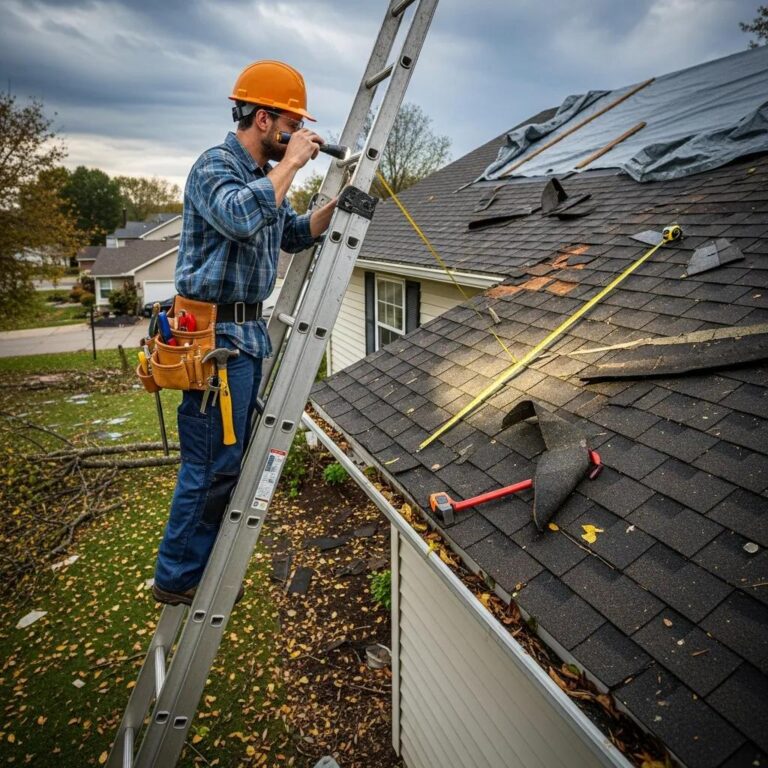
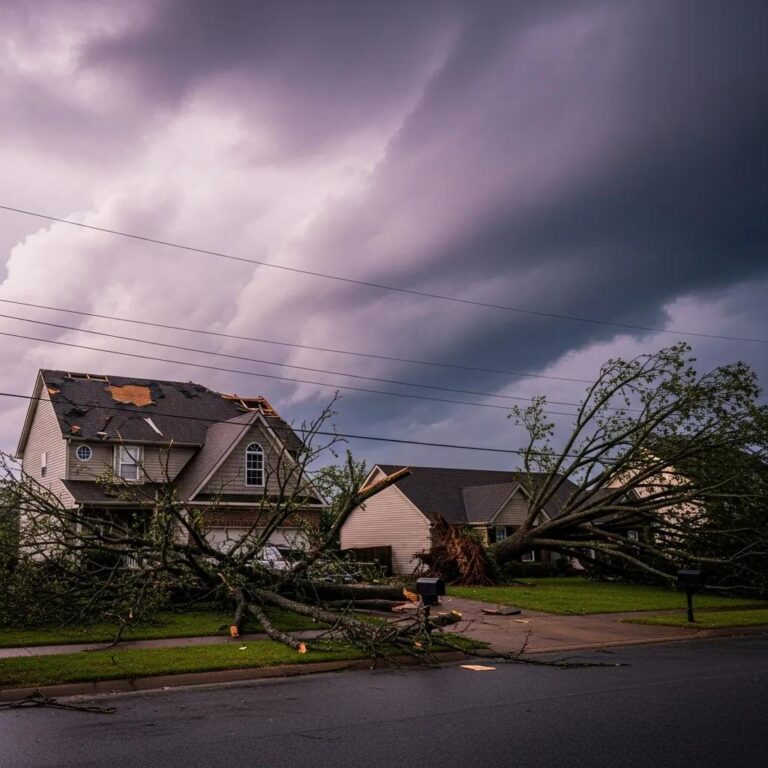
Storm-related perils commonly covered include wind damage, roof compromise leading to water intrusion, and sudden impact damage from falling debris; however, rising floodwaters and storm surge are generally excluded from standard homeowners policies. Emergency measures such as board-up and temporary tarping are often considered covered mitigation expenses aimed at preventing further loss. Insurers evaluate the proximate cause—whether wind or flood—to determine coverage, and homeowners should document the event immediately, including weather reports and photos, to support the causal link. Understanding which storm perils are covered helps homeowners and contractors present coherent and successful claims.
How Does Direct Billing Support Storm Damage Restoration Claims?
During severe storms, direct billing provides crucial support for rapid emergency services—such as board-up, temporary tarping, and mitigation—by allowing restoration firms to invoice insurers directly for these urgent actions. This prevents secondary damage and formally documents the necessity of these immediate interventions. The mechanism reduces your exposure to large immediate bills and ensures crews are authorized to perform stabilization tasks quickly. In high-demand storm events, robust documentation and pre-established insurer communication channels are vital for prioritizing claims and securing faster approvals. Efficient mitigation facilitated by direct billing helps keep properties more secure and reduces the scope of long-term repairs.
How to Choose a Restoration Company with Insurance Billing Expertise?
Selecting a restoration company with proven insurance billing expertise requires evaluating their certifications, experience working with adjusters, their direct billing practices, and their local responsiveness to ensure efficient claim outcomes. Providers who adhere to industry standards and produce meticulous technical documentation earn greater credibility with adjusters, which helps minimize disputes over the scope of work. A comprehensive checklist of evaluation points can help you compare firms based on their credentials and billing practices. The list below outlines key criteria to assess when choosing your restoration partner.
- Key evaluation criteria include:
These factors combine to form a practical decision framework that prioritizes credentials, communication, and billing transparency when selecting a restoration company.
Why Is IICRC Certification Important for Insurance Claims?
IICRC certification signifies that a firm adheres to recognized industry standards for mitigation and remediation, which significantly enhances their credibility when presenting estimates and remediation plans to insurers. This certification connects technical protocols—such as proper drying goals and containment procedures—to accepted best practices, helping adjusters trust the proposed scope and necessity of the work. This recognition often leads to fewer contested line items and helps justify specific remediation methods. Homeowners benefit because certified documentation tends to streamline adjuster acceptance and supports thorough, effective repairs.
How Does a Restoration Company Advocate for Your Insurance Claim?
A restoration company acts as your advocate by meticulously documenting the loss, producing line-item estimates aligned with recognized pricing guides, and communicating directly with adjusters to justify the scope and costs. This advocacy includes clarifying technical details, providing moisture mapping and drying logs, and negotiating for necessary items that might initially be overlooked by an adjuster. By presenting a clear evidence trail—Loss → Documentation → Cost—the firm helps reduce scope disputes and supports your recovery objectives. Effective advocacy shortens claim cycles and improves the likelihood of full scope approval.
What Questions Should You Ask About Direct Insurance Billing Services?
When vetting firms for direct billing services, ask concise, practical questions that reveal their process and responsibilities: Do you bill my insurer directly? How are deductibles handled? Will you coordinate the adjuster visit? How do you communicate claim progress to homeowners? Each question is important because the answers will determine who manages the paperwork, when work can begin, and how out-of-pocket costs are calculated. Understanding these operational details upfront prevents surprises and aligns expectations for the entire claim lifecycle. A clear contractual understanding saves time and avoids potential billing disputes later.
How Does 24 Hour Flood Fighters Stand Out in Middle Tennessee?
24 Hour Flood Fighters stands out in Middle Tennessee by uniquely combining 24/7 emergency response with IICRC-certified methods and a local, family-owned approach that emphasizes transparent communication and dedicated client advocacy. Serving Murfreesboro, Nashville, and the surrounding Middle Tennessee areas, our firm offers direct insurance billing assistance through our “Insurance Claims Process Made Simple” service. We are positioned to expertly coordinate adjusters, manage all documentation, and guide homeowners through the final walkthroughs to help close claims efficiently. These local strengths, coupled with our BBB accreditation, support rapid mobilization and trusted evidence submission—advantages that can significantly accelerate claims and repairs within the regional context.
What Are the Most Common Questions About Direct Insurance Billing for Water Damage?
Homeowners commonly inquire about how restoration companies collaborate with insurers, whether mitigation services are covered, the process for filing claims, what documentation is required, and the timeframe for filing; providing concise answers helps reduce confusion and enables prompt action. Clear, actionable steps—notify your insurer, document the damage, and work with an experienced restoration firm—form the core guidance most insurers expect. The brief Q&A below addresses these frequently asked questions with specific next steps and a final practical note about local support options, including available direct-billing services.
How Do Water Damage Restoration Companies Work with Insurance Claims?
Restoration companies work with insurance claims by thoroughly assessing the damage, documenting the scope with photos and moisture readings, creating itemized estimates, and submitting these materials to the insurer or adjuster for review and authorization. We often coordinate adjuster visits, explain technical findings, and provide mitigation logs to justify urgent work. This collaborative approach aligns the contractor’s scope with the insurer’s expectations and accelerates approvals. Homeowners benefit because the firm significantly reduces the time they spend managing paperwork and insurer communications.
Will Homeowners Insurance Pay for Water Damage Mitigation?
Many homeowners policies cover mitigation for sudden, accidental events, meaning insurers commonly pay for emergency water extraction and drying when the loss meets the policy’s definitions of covered perils. Timely action and thorough documentation are critical: insurers look for evidence that mitigation was necessary and performed promptly to prevent secondary damage. Policy language can vary, so while mitigation is often covered, homeowners should notify their insurer immediately and document all actions taken to support coverage. Quick mitigation also reduces overall repair costs and strengthens the claim.
How Do You File a Water Damage Insurance Claim?
To file a water damage insurance claim, follow a straightforward process: notify your insurer promptly, document the damage with photos and videos, secure emergency mitigation and collect all mitigation logs, obtain an itemized contractor estimate, and submit all evidence to your insurer while coordinating any adjuster visits. This ordered procedure—Notify → Document → Mitigate → Estimate → Submit—creates a coherent claim narrative for faster processing. Working with a restoration firm experienced in claims simplifies many of these steps and often allows for direct billing arrangements.
What Documentation Is Needed for Insurance Claims?
Essential documentation includes time-stamped photos and videos of the damage, an itemized contractor estimate, mitigation logs and moisture maps, receipts for any emergency services, and proof of prior maintenance or condition if relevant. These documents form the evidentiary chain insurers require to link cause to damage and cost to repairs. Keeping digital copies organized and sharing them promptly with your insurer and restoration firm accelerates the review process. A downloadable checklist is highly recommended to ensure no item is missed during initial submission.
How Long Do You Have to File a Water Damage Insurance Claim?
You should notify your insurer as soon as possible after discovering damage because prompt reporting demonstrates responsible action and reduces the risk of denial, although exact filing deadlines can vary by policy and jurisdiction. Delays can allow secondary damage to develop, complicate causation, and increase the chance of disputed coverage. Always check your specific policy timelines, but treat immediate notification and documentation as best practice to protect your claim rights. For local support, restoration firms offering direct billing can often assist with timely submissions and adjuster coordination.
24 Hour Flood Fighters provides 24/7 emergency response and direct insurance billing assistance through its “Insurance Claims Process Made Simple” service for homeowners and businesses in Murfreesboro, Nashville, and surrounding Middle Tennessee areas. We can assist with assessment, documentation, adjuster coordination, restoration, and the final walkthrough to help close claims efficiently.
Frequently Asked Questions
What Should I Do Immediately After Water Damage Occurs?
Immediately after water damage occurs, your first priority should be safety. Ensure that the area is safe to enter and turn off any electricity if water is present. Next, notify your insurance company to start the claims process. Document the damage with time-stamped photos and videos, and begin emergency mitigation, such as water extraction, if possible. Engaging a professional restoration company quickly can help prevent further damage and support your claim with necessary documentation.
How Can I Choose the Right Restoration Company for My Needs?
Choosing the right restoration company involves evaluating their certifications, experience with insurance claims, and direct billing practices. Look for companies that are IICRC certified, as this indicates adherence to industry standards. Ask about their experience in coordinating with insurance adjusters and how they handle documentation. Additionally, consider their local responsiveness and availability for emergency services. Reading reviews and seeking recommendations can also help you make an informed decision.
What Are the Costs Associated with Water Damage Restoration?
The costs of water damage restoration can vary widely based on the extent of the damage, the type of water involved, and the necessary repairs. Factors include emergency mitigation, structural repairs, and potential mould remediation. Homeowners should be aware of their insurance coverage, as many policies cover sudden and accidental water damage, but not all costs may be fully covered. Obtaining a detailed estimate from a restoration company can help clarify expected expenses.
How Can I Prevent Water Damage in My Home?
Preventing water damage involves regular maintenance and proactive measures. Inspect your plumbing for leaks, ensure gutters and downspouts are clear, and check the roof for any signs of wear. Installing sump pumps in basements and using water alarms can also help detect issues early. Additionally, consider regular inspections by a professional to identify potential vulnerabilities. Taking these steps can significantly reduce the risk of water damage and the associated costs of restoration.
What Should I Know About Filing a Claim for Water Damage?
When filing a claim for water damage, it’s crucial to act quickly and document everything thoroughly. Notify your insurer as soon as possible and provide them with detailed evidence, including photos, videos, and a list of damaged items. Be prepared to explain the cause of the damage and any mitigation steps taken. Understanding your policy’s coverage limits and exclusions will help set realistic expectations for your claim outcome. Working with a restoration company experienced in insurance claims can streamline this process.
What Are the Long-Term Effects of Water Damage?
Long-term effects of water damage can include structural issues, mould growth, and damage to personal property. If not addressed promptly, water can weaken building materials, leading to costly repairs. Mould can develop within 24-48 hours in damp conditions, posing health risks. Additionally, lingering moisture can lead to persistent odours and further deterioration of the property. It’s essential to act quickly and engage professionals to mitigate damage and prevent long-term consequences.