Recognize Water Damage Emergencies and Call 24 Hour Flood Fighters
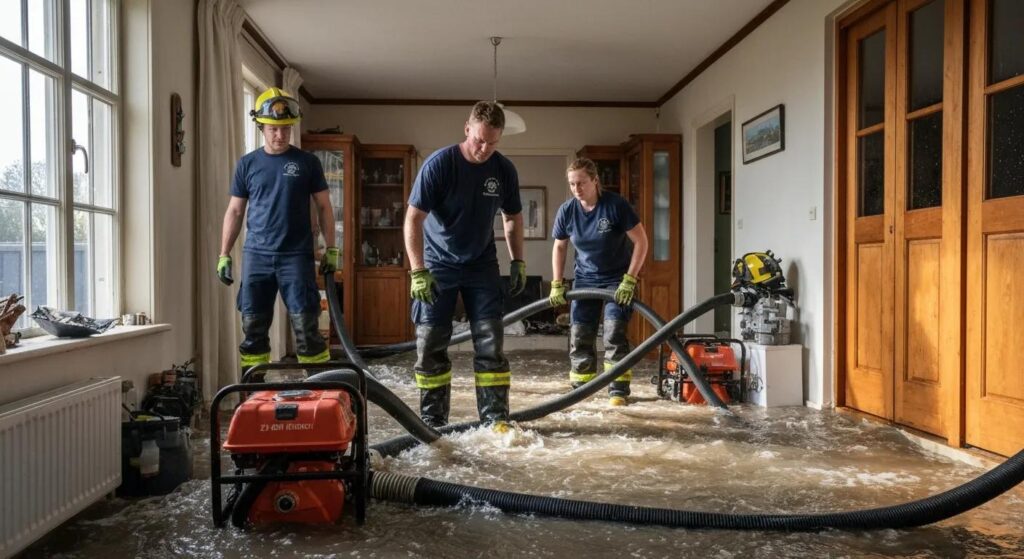
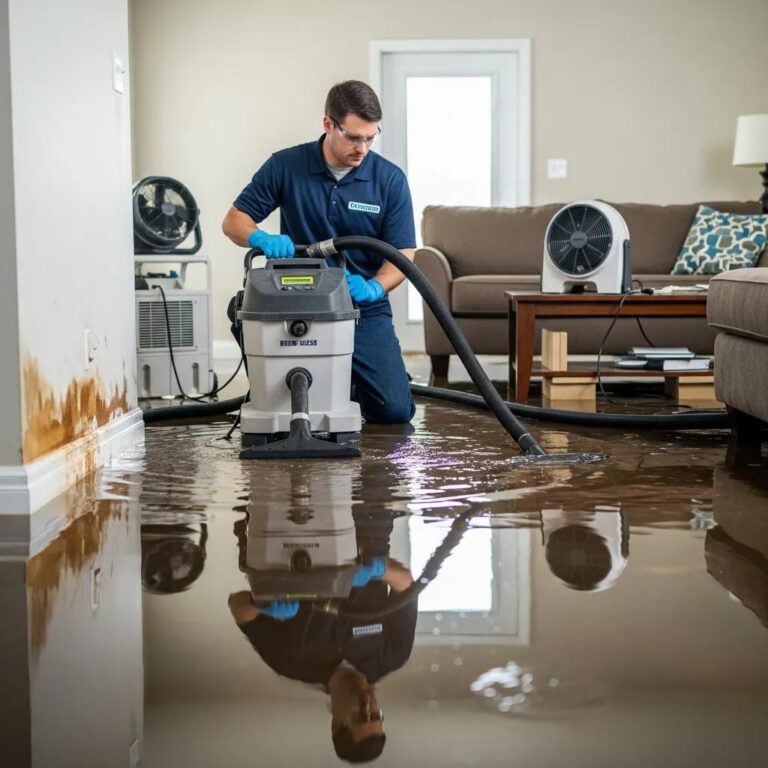
When water shows up where it shouldn’t be, it can feel stressful and overwhelming. Whether it comes from a burst pipe, a leaking appliance, or heavy rain, knowing when to call for emergency water removal can protect your home from major damage.
At 24 Hour Flood Fighters, our goal is to help you feel supported during those first urgent moments. Acting quickly can prevent mold, reduce repair costs, and protect your home’s structure. This guide explains the early signs of water damage, when to call for help, and what steps you can take before our team arrives.
What Are the Immediate Signs of Emergency Water Damage?
You can often see, smell, or feel the early warning signs of a water emergency. Acting quickly when these symptoms appear helps reduce the scope of damage and speeds up the restoration process.
Immediate signs include:
Fast-Spreading Water
Growing pools of water or active dripping often mean the source is still running. These situations need emergency water removal right away to stop intrusion and prevent structural damage.
Structural Changes
Sagging ceilings, bulging walls, warped floors, and expanding stains show that water has already saturated building materials. When this happens, the situation shifts from simple cleanup to emergency stabilization and drying.
Musty Odors or Sudden Humidity
Earthy or mildew-like smells can appear before visible damage. This often signals hidden moisture or early microbial activity. Moisture mapping and targeted drying help prevent mold growth.
Which Visible Signs Indicate Urgent Water Damage?
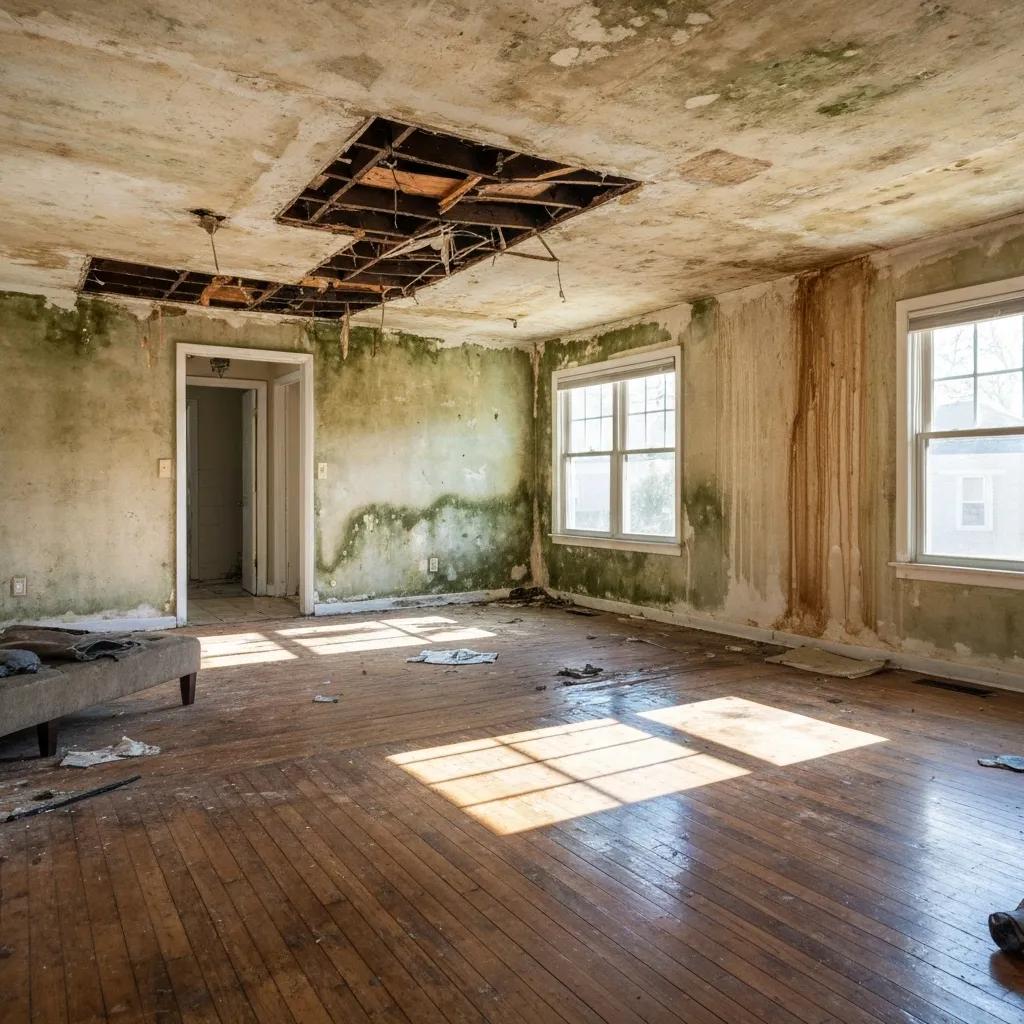
Urgent water damage signs include:
Standing water that spreads over minutes or hours
Expanding stains on walls or ceilings
Bubbling or flaking paint
Sagging drywall
Warped hardwood or buckled vinyl flooring
These clues suggest trapped moisture and ongoing saturation. Calling professionals for emergency water removal gives you the best chance to save materials before they require full replacement.
How Do Musty Odors and Hidden Damage Signal an Emergency?
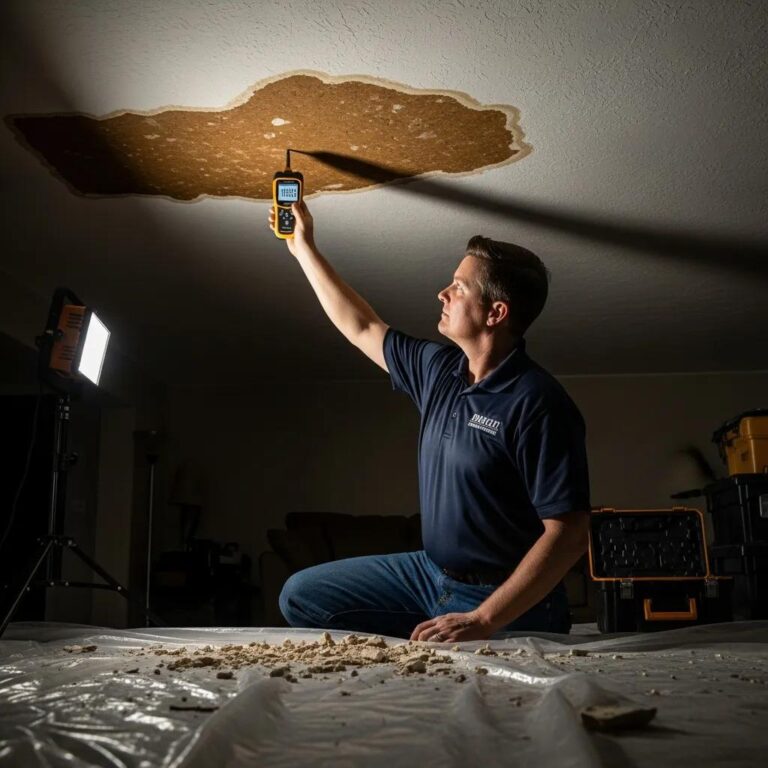
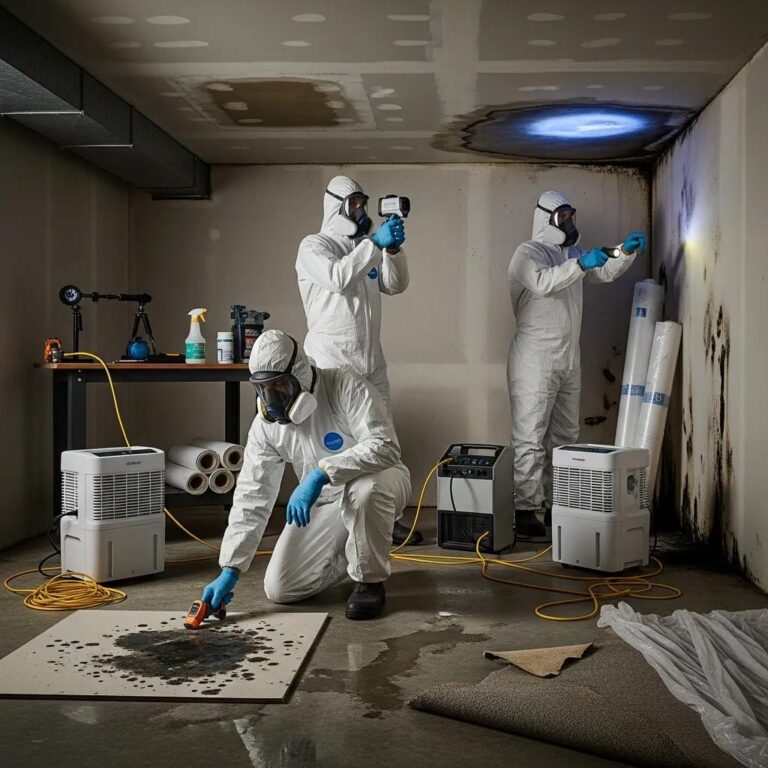
Hidden moisture can cause extensive damage even when surfaces appear dry. Musty odors often indicate mold growth or moisture inside walls, under flooring, or behind cabinets. Infrared scanning and moisture meters help identify these concealed areas.
Because hidden damage spreads quickly, early detection keeps remediation smaller and less invasive.
Bottom line: active pooling needs extraction first; structural deformation needs stabilization; and musty smells need targeted mitigation.
What Types of Water Damage Require Immediate Emergency Water Removal?
Some water events are always emergencies due to contamination or rapid intrusion. These include:
1. Burst Pipes
Clean water becomes contaminated as it saturates materials. Immediate shut-off, extraction, and structural drying protect framing and finishes.
2. Sewage Backups
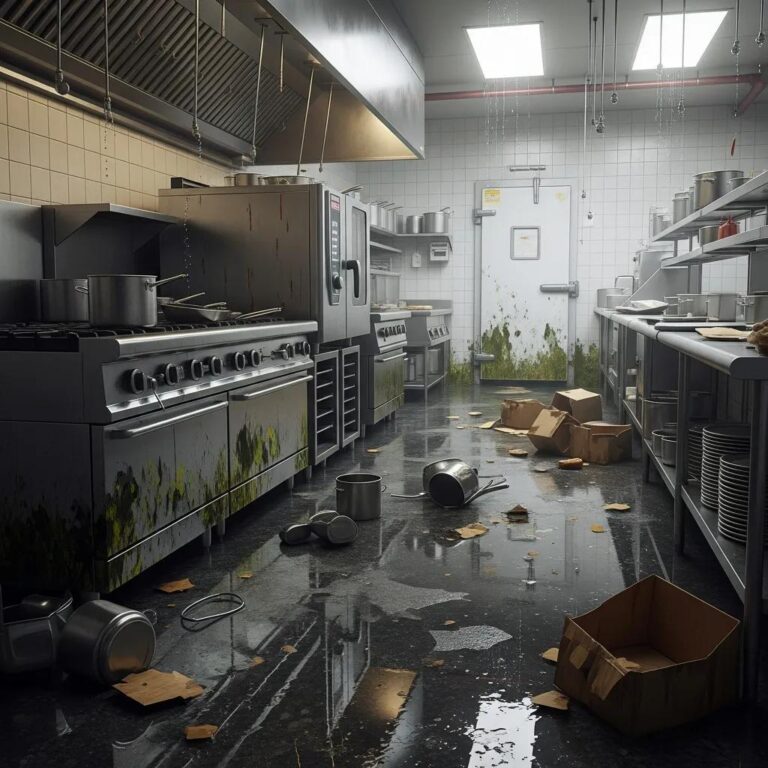
Black water contains dangerous bacteria. These events require evacuation, proper containment, sanitization, and professional PPE.
3. Storm Flooding
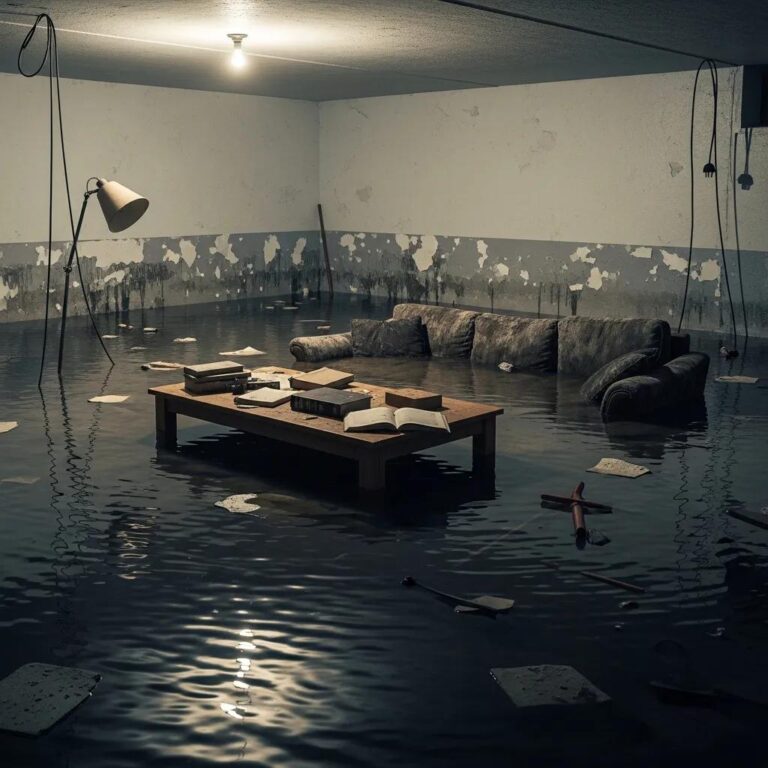
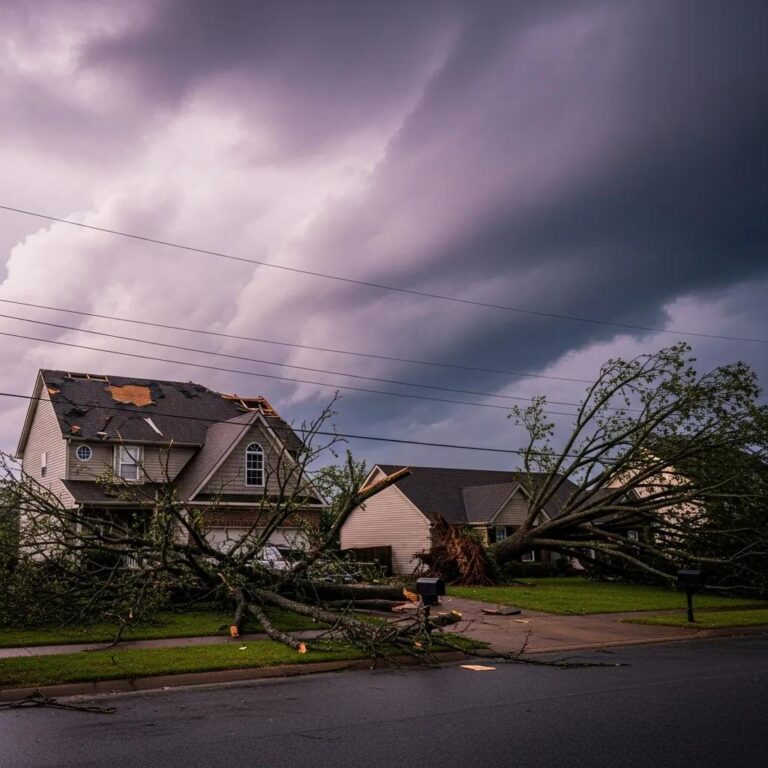
Stormwater may include chemicals, debris, and unknown contaminants. It also poses electrical and structural hazards.
4. Major Appliance Failures
Water heaters, washing machines, and dishwashers can release large volumes of water quickly. Immediate extraction and drying stop moisture from spreading to adjacent areas.
This table compares common emergencywater scenarios and the recommended immediate actions.
| Type of Water Damage | Risk / Contamination Level | Urgency and Recommended Immediate Action |
|---|---|---|
| Burst pipe / plumbing failure | Low to moderate when fresh; becomes higher as materials soak | Immediate shut-off of source if safe, rapid extraction, and structural drying to prevent mold |
| Sewage backup | High (biological contaminants) | Evacuate affected areas, avoid contact, and call professionals for containment, sanitization, and disposal |
| Storm flooding | Variable; often unknown contaminants and structural risk | Treat as high-risk: avoid re-entry until inspected, secure utilities, and call emergency restoration with heavy equipment |
| Appliance leak (water heater, washer) | Low to moderate | Stop appliance, extract standing water, and begin drying to prevent spread to adjacent areas |
In short: sewage and storm events typically demand the fastest, most cautious professional response, while clean-water incidents still need urgent mitigation to avoid secondary damage.
When Should You Call for Burst Pipe Emergency Services?
Call for burst pipe emergency water removal when:
Water is flowing uncontrollably
You cannot safely reach the shut-off valve
Water is accumulating in finished areas
Ceilings, walls, or floors show signs of saturation
After you stop the source (if safe), restoration crews perform rapid extraction, structural drying, moisture mapping, and documentation for insurance claims.
How to Recognize Sewage Backup and Storm Flood Emergencies?
You should treat sewage backups and storm flooding as urgent emergencies. Warning signs include:
Sewage Backup
Strong, foul odors
Brown or black backed-up water
Visible solids or waste
Slow drains throughout the home
Storm Flooding
Water entering forcefully from outdoors
Submerged electrical outlets
Debris in water
Foundation instability
Both events require emergency water removal from trained technicians—not DIY cleanup.
Why Is Rapid Response Critical in Emergency Water Removal?
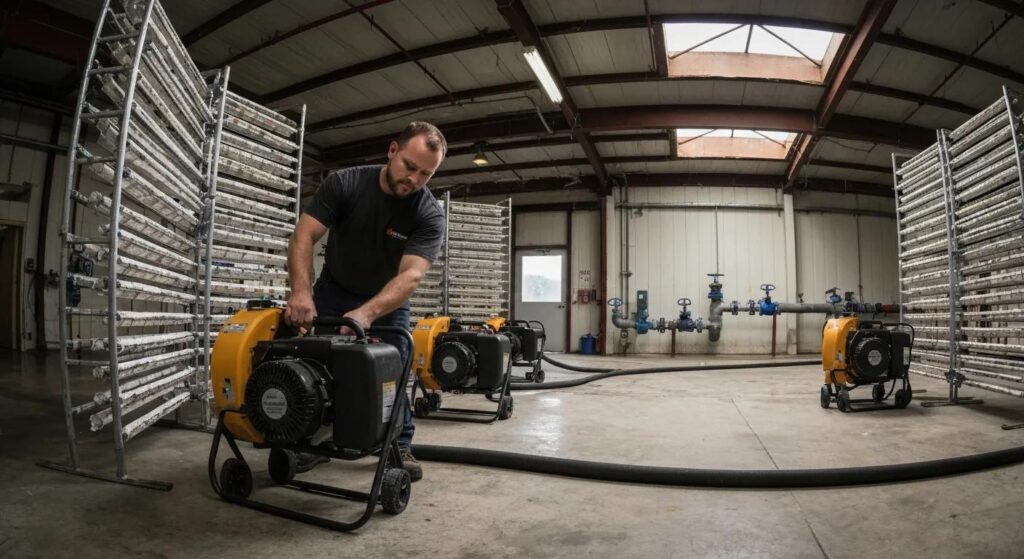
Speed makes the biggest difference in how much damage your home suffers. Acting within the first hours:
Reduces mold growth
Prevents water from spreading into walls, subfloors, and insulation
Lowers repair costs
Shortens drying time
Helps salvage more materials
This table links delay consequences to recommended timeframes and the impact on cost, health, and structural integrity.
| Consequence | Timeframe | Effect on Cost / Health / Structural Integrity |
|---|---|---|
| Mold colonization | 24–48 hours | Rapid increase in remediation scope, higher health risks, and added mold remediation costs |
| Material saturation (wood, drywall) | 48–72 hours | Increased replacement needs for flooring, drywall, and finishes; structural components may require repair |
| Corrosion and systems damage | 72+ hours | Electrical, HVAC, and mechanical systems can sustain costly deterioration and require specialized repairs |
| Secondary microbial growth | 72+ hours | Expanded sanitization scope and potential occupant health impacts, driving higher claims and downtime |
The “golden window” for effective mitigation is usually the first 24–48 hours. Addressing moisture in that period keeps remediation less invasive and less expensive. That’s why fast on-site arrival and immediate extraction are critical to a successful outcome.
24 Hour Flood Fighters is set up to work inside that golden window — we dispatch 24/7, bring industrial extraction and drying equipment, and send IICRC-certified technicians to document conditions and start mitigation fast. Our local focus on Nashville and Murfreesboro helps us arrive sooner in Middle Tennessee, and we can work directly with insurers to streamline claims. After reading why speed matters, learn the immediate homeowner steps you can take before pros arrive to further protect people and property.
What Is the ‘Golden Window’ for Preventing Mold Growth?
The “golden window” for preventing mold is the first 24–48 hours after water intrusion — the period when drying and moisture control are most effective at stopping microbial colonization. Rapid extraction and high-capacity dehumidification lower humidity and surface moisture below levels that let fungi take hold, greatly reducing remediation needs. Professionals set drying goals using moisture meters and thermal imaging so decisions are based on measurements, not guesses. Acting in the golden window helps preserve finishes and reduces the chance of hidden mold that later needs destructive repairs.
Mold Remediation Following Flooding Events
Mold remediation in residential structures subsequent to flooding
The success of mold control is closely tied to how fast and thoroughly drying is done, as shown in studies on post-flooding remediation.
How Does Immediate Water Extraction Protect Structural Integrity?
Water weakens materials the longer it stays in place. Extraction and drying prevent:
Subfloor swelling
Drywall can start separating when it stays wet too long.
Joist and framing distortion
Corrosion of fasteners and mechanical systems
Adhesive failure in flooring
Professional structural drying targets moisture at the source and monitors progress with moisture meters and thermal imaging.
Consistent drying and containment are proven strategies for successful moisture and mold remediation in case studies and field work.
Monitoring the Success of Moisture and Mold Remediation
Monitoring Remediation Success: Seven Case Studies of Buildings with Moisture and Mold Damage
What Should You Do Before Emergency Water Removal Professionals Arrive?
Follow these steps to protect safety and reduce damage:
Ensure safety first: Evacuate if you see electrical sparks or smell gas.
Stop the water source: Turn off the main shut-off valve if you can reach it safely.
Avoid contaminated water: Wear basic PPE and avoid skin contact.
Document everything: Take photos, videos, and notes for insurance purposes.
Do not turn off breakers if water is present: Only adjust electrical systems when the area is dry.
Follow these priority steps to protect people and property before professionals arrive.
- Ensure safety first: Evacuate if there is electrical arcing, gas smell, or structural instability.
- Stop the water source if safe: Close the main water shut-off to halt further intrusion.
- Avoid contact with contaminated water: Wear basic PPE if you must enter affected areas and avoid skin contact.
- Document and inventory damage: Take photos, videos, and a brief itemized list with timestamps for insurance purposes.
How to Safely Shut Off Utilities During a Water Damage Emergency?
Shutting off utilities should always prioritize people over property — mistakes can cause injury or make damage worse. For water, turn off the main shut-off valve only if you can reach it without stepping into standing water. For electricity, only flip breakers if the panel and area are dry and you can do so safely; otherwise call your utility or an electrician to de-energize circuits. If you smell gas or suspect a leak, evacuate immediately and call the gas provider — don’t try to shut off gas yourself unless you’re trained. When in doubt, leave utility isolation to trained professionals and focus on getting everyone to safety.
If you’re unsure about any utility action, prioritize evacuation and wait for professionals who are trained to isolate services safely.
What Documentation Is Needed for Insurance Claims?
Good documentation speeds claims and helps get fair coverage. Start with time-stamped photos and videos showing the source, the extent of standing water, and affected contents; include wide shots and close-ups so adjusters can see scale and detail. Keep a written inventory of damaged items with estimated values and any receipts you have, and log the names, dates, and times of contractors or responders you contact. When restoration professionals arrive, ask them to document initial conditions and drying goals — that third-party record strengthens your claim and provides measurable moisture targets for the remediation process.
Exposure to water-damaged buildings and mold can cause health problems, which is another reason to document, remove hazards, and remediate quickly.
Health Effects Associated with Water-Damaged Buildings and Mold
A review of the mechanisms of injury and therapeutic strategies for health conditions arising from exposure to water-damaged buildings, mold, and mycotoxins
24 Hour Flood Fighters can help with documentation and next-step guidance during dispatch — contact us through our website or call to request assistance and coordination with your insurer.
How Does 24 Hour Flood Fighters Provide Effective Emergency Water Removal Services?
We use industry-standard techniques backed by IICRC certification. Our process includes:
24/7 rapid dispatch
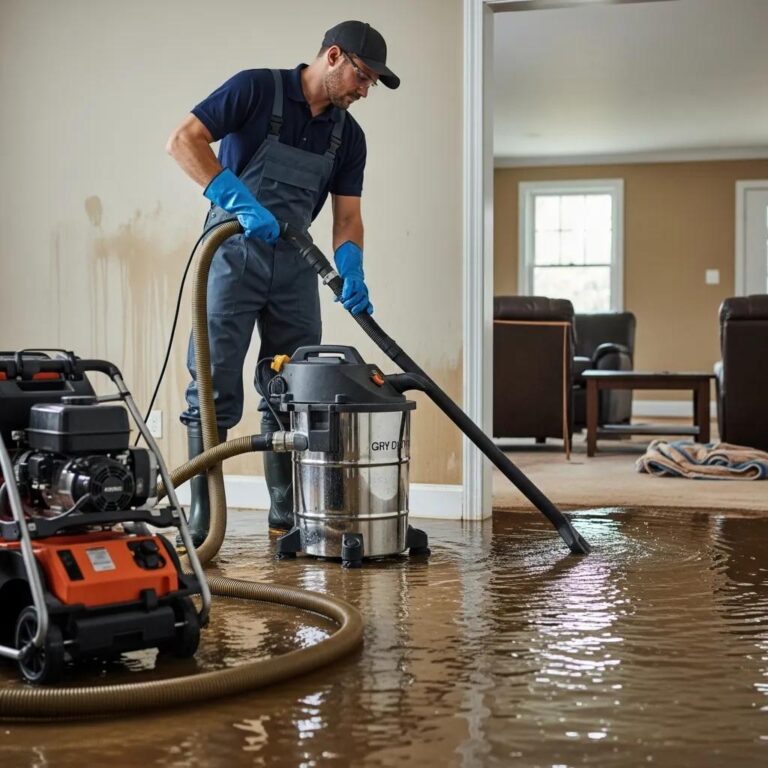
Industrial-grade extraction
Structural drying and dehumidification
Moisture mapping and thermal imaging
Containment and sanitization when required
Direct insurance billing
Our local, family-owned team serves Nashville, Murfreesboro, and surrounding Middle Tennessee with fast arrival and expert service.
Below is a feature–benefit table that clarifies how service capabilities translate into homeowner outcomes.
| Service Feature | Benefit | Customer Outcome |
|---|---|---|
| 24/7 rapid response and rapid on-site arrival | Reduces time-to-extraction | Limits mold risk and lowers repair scope |
| IICRC-certified technicians | Ensures standardized methods and documentation | Improves insurance acceptance and remediation quality |
| Direct insurance billing assistance | Simplifies claims process | Less stress for homeowners and quicker claim resolution |
| Local, family-owned operation | Regional knowledge and faster dispatch | Faster arrival and understanding of local building types |
What Makes 24 Hour Flood Fighters’ 24/7 Rapid Response Unique?
Our 24/7 rapid response is built on regional readiness and certified staff, which helps us dispatch faster across Middle Tennessee and act within the golden window. Local knowledge of Nashville and Murfreesboro building types, storm patterns, and seasonal risks helps crews anticipate hidden vulnerabilities and select the right equipment and containment strategies. That immediate deployment reduces secondary damage and gets extraction and drying underway quickly, preserving materials that might otherwise need replacement. For homeowners, this means a coordinated, fast-moving remediation effort focused on stabilization, measurable drying goals, and clear documentation to support insurance claims.
How Does IICRC Certification Ensure Professional Water Damage Restoration?
IICRC certification shows our technicians are trained to industry standards for water extraction, structural drying, and microbial control, delivering consistent, defensible remediation. Certified crews use established protocols for moisture mapping, goal-oriented drying, and hygiene measures that reduce the chance of missed moisture pockets or improper methods. That consistency helps insurance adjusters evaluate remediation scope and supports smoother claims because procedures and documentation match accepted practice. For customers, certification means drying and repair decisions are based on measurable targets rather than guesswork, improving restoration results.
What Are Common Questions About Emergency Water Removal Services?
People often ask who to call first, how fast mold grows, and what to expect from responders. Knowing the right answers removes uncertainty and shortens delays. Call a plumber if the priority is stopping active flow; call a restoration company when the focus is extraction and structural drying. Understanding the mold timeline shows why quick extraction matters, and knowing typical response steps helps you prepare access and documentation for crews. The short Q&A below answers common questions with practical guidance.
Should I Call a Plumber or Water Restoration Company First for Burst Pipes?
If water is actively flowing from a burst pipe, call a plumber first to stop the source if you can’t safely reach the main shut-off — stopping the flow is essential. Once the flow is stopped, or if you cannot stop it safely, call a restoration company to extract water and start drying — both trades often work at the same time to limit total damage. If conditions are unsafe (electrical hazards or major flooding), prioritize occupant safety and call emergencyrestoration or utility services; restoration crews will coordinate with plumbers and electricians to stabilize the property. Calling both trades early — plumber for source control and restoration for mitigation — shortens downtime and lowers overall repair costs.
How Quickly Can Mold Develop After Water Damage?
Mold can begin to grow within 24–48 hours when moisture stays elevated and materials remain damp, so immediate drying is essential. Temperature, available nutrients (like cellulose in drywall), and humidity affect growth speed, but the typical initial colonization window is within the first two days. Professional drying reduces both surface and in-wall moisture below levels that support fungal growth, and removing saturated porous materials eliminates the substrate mold needs. Acting within the golden window minimizes health exposure and the size of the remediation project.
For more questions or to request immediate help, 24 Hour Flood Fighters offers 24/7 emergencywaterdamage restoration across Nashville, Murfreesboro, and nearby Middle Tennessee — contact us through our website or call to arrange dispatch and a free estimate.
Frequently Asked Questions
What Should I Do Immediately After Water Intrusion?
Put people first. Evacuate if there are electrical sparks or a gas smell. If it’s safe, shut off the main water supply to stop more flooding. Take time-stamped photos and notes for insurance, and avoid contact with standing water that could be contaminated. These steps reduce risk and make remediation smoother when crews arrive.
How Can I Prevent Mold Growth After Water Damage?
Act within 24–48 hours — that’s the critical window to stop mold. Remove standing water, run dehumidifiers and fans if you have them, and discard saturated porous materials (like soaked carpet or drywall) that can’t be dried quickly. Use moisture meters or call professionals for thorough drying and monitoring to keep humidity and material moisture below mold-friendly levels.
What Are the Health Risks Associated with Water Damage?
Water damage can cause mold growth and contamination that trigger allergic reactions, respiratory problems, and other health issues — especially for sensitive people. Sewage or floodwater may contain pathogens and chemicals that pose serious health risks. Prompt removal and proper remediation help protect occupants and reduce long-term health concerns.
How Long Does the Water Removal Process Typically Take?
Initial extraction can often be done in a few hours, but complete drying and remediation usually take several days to weeks depending on the area and materials affected. The size of the space, the type of water, and how quickly drying equipment can lower moisture all affect the timeline. Professionals provide a site-specific schedule to keep you informed.
What Equipment Is Used in Emergency Water Removal?
We use industrial pumps for extraction, high-capacity dehumidifiers to lower humidity, and air movers to speed evaporation. Moisture meters and thermal cameras locate hidden moisture so drying is targeted and effective. This combination helps remove water fast and dry materials thoroughly to prevent further damage or mold.
Can I Handle Water Damage Cleanup Myself?
Minor incidents may be manageable, but significant events — especially sewage or major flooding — should be handled by pros. DIY efforts often miss hidden moisture, increasing the risk of mold and structural damage. Safety hazards like electrical risks and contaminants also make professional intervention the safer choice. When in doubt, call a waterdamage restoration expert.
Conclusion
Recognizing water damage early and acting quickly can greatly reduce health risks and repair costs. Professional emergencywater removal ensures proper extraction and drying to protect your property’s structure and occupants. When time matters, call 24 Hour Flood Fighters — we’re ready 24/7 to respond in Nashville, Murfreesboro, and surrounding Middle Tennessee and help safeguard your home today.